


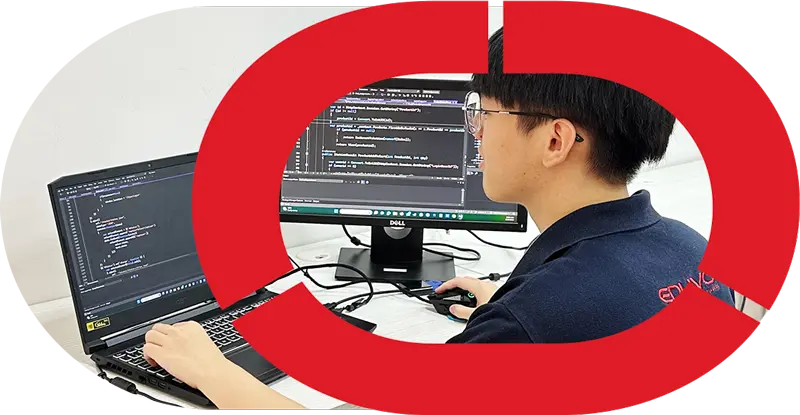


What If My Child Doesn’t Know What to Study After SPM?
If your child is unsure about what to study after SPM, start with a practical, interest-based pathway that matches their strengths, learning style, and preferred work environment. For many Malaysian f
Quick answer
If your child is unsure about what to study after SPM, start with a practical, interest-based pathway that matches their strengths, learning style, and preferred work environment. For many Malaysian families, a hands-on TVET option like Eduvo Academy can be a clear next step, offering IT Support or Software Engineering through a one-year programme with no SPM requirement for suitable applicants aged 16 and above.
Key Takeaways
- Start by matching your child’s interests, strengths, and learning style before choosing a course.
- IT Support and Software Engineering are two practical after SPM course Malaysia pathways with different skill profiles.
- Eduvo Academy offers hands-on training, real lab equipment, internship pathway, and Action Learning in a German Ausbildung-inspired training model.
- This option is suitable for teens aged 16 and above, including students who need a no SPM requirement pathway.

Many parents feel worried when a child does not know what to study after SPM, but this decision can be approached calmly and practically. The right choice begins with understanding your child’s interests, strengths, learning style, and the kind of work environment they may thrive in. Eduvo Academy offers a hands-on TVET pathway that helps families compare IT Support and Software Engineering as two clear options, with one-year professional diploma programmes designed for practical learning and career-ready skills.
What should my child study after SPM if they are still unsure?
If your child is still unsure about what to study after SPM, the best next step is not to rush into a random course. Start by matching their interests, strengths, learning style, and preferred work environment, then compare a few realistic pathways before deciding.
Why uncertainty after SPM is normal
It is completely normal for a teenager to feel undecided after SPM. At 16 to 18 years old, many students are still discovering whether they prefer practical work, structured study, creative tasks, or technical problem-solving. Some may also be dealing with weaker results, delayed confidence, or pressure from family, which can make the decision feel heavier than it really is.

Parents should treat this as a guidance stage, not a failure. A student who is unsure is often asking the right questions: “What kind of work suits me?” “Do I learn better by doing?” “Can I handle theory-heavy study, or do I need something more practical?” These questions matter because the right after SPM course Malaysia option should fit the child, not just the trend.
For families looking at a no SPM requirement route, it is still possible to begin with a structured pathway if the applicant is suitable and aged 16 and above. One practical example is Professional Diploma in IT Support, which gives students a clear starting point through a one-year programme with guided learning, real tasks, and exposure to workplace expectations. Another option is Professional Diploma in Software Engineering, which may suit students who enjoy logic, problem-solving, and building digital solutions.
Start with strengths, interests, and learning style
A simple way to narrow the choice is to ask four questions:
- What subjects or activities does my child naturally enjoy?
- Do they prefer fixing problems, building things, or working with people?
- Do they learn better through theory, discussion, or practice?
- What kind of environment suits them: quiet, technical, team-based, or fast-moving?
If your child likes troubleshooting devices, helping others, and learning through real tasks, IT Support may be a better fit. If they enjoy structured thinking, coding tasks, and creating systems, Software Engineering may be more suitable. The provider’s German Ausbildung-inspired training model and Action Learning approach are designed to support this kind of practical decision-making, especially for students who need confidence built through experience rather than lectures alone.
This is why Eduvo Academy can be a helpful option for families who want a calm, practical pathway instead of guesswork. With hands-on training, real lab equipment, and an internship pathway, students can explore their strengths while building useful skills step by step.
If you are still weighing the next move, contact Eduvo and ask which route best matches your child’s profile.
How can parents help a child choose the right course after SPM?
Parents can help best by slowing the decision down and looking at fit, not pressure. A good choice after SPM usually becomes clearer when you compare your child’s interests, learning style, and strengths against the type of course and environment available.
Interest
Start with what your child naturally pays attention to outside school. For example, do they enjoy fixing devices, editing videos, helping classmates, or figuring out how apps work? These small habits often point to a direction more reliably than exam results alone.

Learning style
Some students do well in lecture-heavy settings, but others understand faster when they can try, fail, and improve with guidance. If your child learns better by doing, then a practical after SPM course Malaysia option may suit them more than a purely theory-based route. You can also compare options like Professional Diploma in IT Support and Professional Diploma in Software Engineering by asking which one matches how your child learns, not just what sounds impressive.
If you want a structured place to compare options, Skills-Based Course After SPM Malaysia | Eduvo can help parents and students think through the choices more clearly.
Strengths
Look at what your child already does well, even if those strengths are not academic. A student who stays calm under pressure may fit support roles, while someone who likes logical patterns may enjoy software tasks. This is especially helpful for students who are unsure, have weak SPM results, or even need a no SPM requirement pathway with age 16 and above entry.
A simple parent checklist can keep the conversation practical:
For families exploring Eduvo Academy, it may help to ask how Professional Diploma in IT Support and software-focused training are delivered through hands-on training, real lab equipment, internship pathway opportunities, Action Learning, and German Ausbildung-inspired training. That way, the choice is based on actual learning experience, not assumptions.
If your child still feels uncertain, that is normal. The goal is not to force a decision quickly, but to find a first step that matches their current strengths and gives them room to grow.
IT Support vs Software Engineering: which pathway suits your child?
The short answer is this: choose IT Support if your child enjoys solving immediate, practical problems with people and devices; choose Software Engineering if they prefer building digital solutions through logic, planning, and coding. Both can be strong after-SPM course Malaysia options, but they suit different personalities and strengths.
What IT Support involves
IT Support is usually the better fit for students who like fixing things, helping others, and staying calm when problems appear. Day to day, they may troubleshoot laptops, set up networks, install software, resolve printer or login issues, and explain solutions in simple language to users.

This pathway often appeals to students who prefer visible results. For example, when a computer starts working again after a repair, the outcome is immediate and clear. In a one-year programme, learners can build practical confidence through Professional Diploma in IT Support, especially when the training centre uses real lab equipment and structured Action Learning. For families comparing options, this IT Support vs Software Engineering Malaysia Guide can help make the difference clearer.
What Software Engineering involves
Software Engineering suits students who enjoy logic, patterns, and creating something from scratch. Instead of repairing hardware, they may write code, test features, debug errors, and work on apps, websites, or internal systems. The work is more abstract, but it can be very rewarding for students who like structured thinking and problem-solving.
This route usually needs patience and steady practice. A learner may spend time breaking a problem into steps, testing different solutions, and improving the final result. In a Professional Diploma in Software Engineering, the emphasis is often on building coding habits, understanding development workflows, and learning how real projects move from idea to deployment through German Ausbildung-inspired training and an internship pathway.
How to decide based on strengths
Parents can guide the choice by looking at three practical signs:
| Column | Column |
|---|---|
| If your child likes helping people, handling devices, and solving urgent issues | IT Support may suit them better |
| If your child enjoys logic, coding, and building digital products | Software Engineering may suit them better |
| If they want faster, hands-on exposure to workplace tasks | IT Support often feels more immediate |
| If they are patient with detail and enjoy long-term project work | Software Engineering may be a better match |
If your child is still unsure, that does not mean they are behind. It simply means they need a pathway that matches how they learn best. Eduvo Academy offers a supportive option for age 16 and above, including no SPM requirement entry for selected learners, so families can explore skills-based learning without unnecessary pressure.
What makes Eduvo Academy a practical option for students aged 16 and above?
It is practical because it gives students a structured way to start building job-relevant skills without waiting for a perfect academic answer first. For a child who doesn’t know what to study after SPM, this kind of pathway can reduce pressure while still moving them forward.
No-SPM entry route
The provider offers a flexible entry point for learners aged 16 and above, including selected no SPM requirement intake options. That matters for families who want an after SPM course Malaysia option that is still accessible for students with mixed results, delayed decisions, or non-traditional education backgrounds.
Key practical features:
- Suitable for students aged 16 and above
- Selected entry routes available without SPM
- Built for learners who want a skills-based start
- Helpful for students who need a clearer direction before committing to a longer study path
If your family is comparing practical options for students without SPM, this pathway may be worth reviewing: Technical Course Without SPM Malaysia | Practical Options
One-year programme structure
The training centre’s one-year programme format is designed for students who want focused learning rather than a long, uncertain wait. The Professional Diploma in IT Support and Professional Diploma in Software Engineering both follow a structured progression that combines classroom learning with practical exposure, so students can develop habits, confidence, and workplace discipline step by step.
This format is especially useful for students who:
- Learn better through shorter, more focused study blocks
- Need a clear routine to stay motivated
- Prefer a practical route with visible progress
- Want to build a foundation before deciding on a longer-term direction
The German Ausbildung-inspired training model also supports this by connecting theory with real workplace expectations through Action Learning and an internship pathway.
Hands-on training and real lab equipment
For many students, the biggest benefit is not just the subject itself, but how they learn it. The provider places strong emphasis on hands-on training, using real lab equipment so learners can practise in an environment that feels closer to actual work situations.
That means students can:
- Practise technical tasks instead of only reading about them
- Build confidence through repeated guided exercises
- Learn from mistakes in a supervised setting
- Understand how IT Support and Software Engineering work in real settings
For parents, this makes the route feel more concrete and practical. For students, it can be a calmer way to start, especially when they are still figuring out their direction. If your child is unsure, Eduvo Academy offers a sensible first step rather than forcing an immediate big decision.
Frequently Asked Questions
What does my child enjoy doing, and what kind of tasks suit them best?
Is the course practical enough to build confidence early?
Is there a pathway for students with different academic backgrounds?
Does the programme connect learning to real workplace expectations?
Will my child receive guidance, not pressure?
References
- Malaysian Qualifications Agency (MQA) — Malaysian Qualifications Framework (MQF) — Malaysian Qualifications Agency (MQA) — Malaysian Qualifications Framework (MQF)
- Malaysian Qualifications Agency (MQA) — Malaysian Qualifications Register (MQR): Search for Qualifications — Malaysian Qualifications Agency (MQA) — Malaysian Qualifications Register (MQR): Search for Qualifications
- Malaysian Qualifications Agency (MQA) — Entry Qualifications — Malaysian Qualifications Agency (MQA) — Entry Qualifications
- Malaysian Qualifications Agency (MQA) — APEL.A Portal — Malaysian Qualifications Agency (MQA) — APEL.A Portal
- Ministry of Higher Education Malaysia (MOHE) — UPU Online — Ministry of Higher Education Malaysia (MOHE) — UPU Online


