


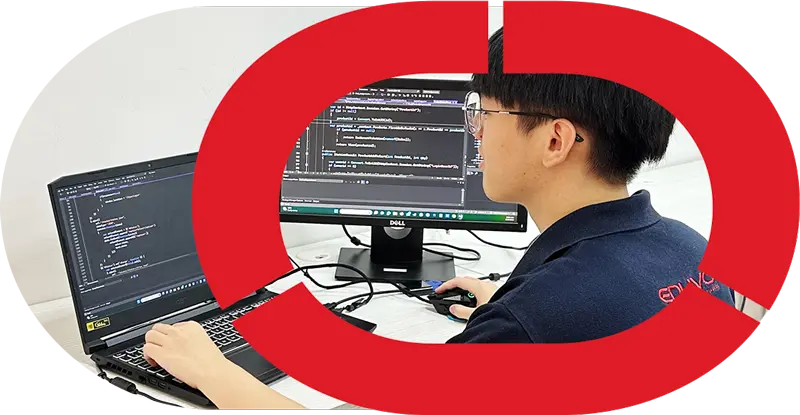


What Is the Fastest Way to Enter IT in Malaysia?
The fastest way to enter IT Malaysia is usually a structured, hands-on pathway that builds practical skills, workplace habits, and a clear portfolio faster than purely theory-based study. For many beg
Quick answer
The fastest way to enter IT Malaysia is usually a structured, hands-on pathway that builds practical skills, workplace habits, and a clear portfolio faster than purely theory-based study. For many beginners, an IT course without SPM Malaysia options, especially a one-year programme with lab practice and an internship pathway, can be a realistic route into entry-level IT support or software engineering.
Key Takeaways
- The fastest route is not just the shortest course, but the one that builds job-ready skills with real practice.
- A structured one-year programme can help beginners move faster through hands-on training, real lab equipment, and guided learning.
- Eduvo Academy offers pathway options for IT Support and Software Engineering, designed for age 16 and above with no SPM requirement.
- The right path depends on your starting point, but discipline, Action Learning, and internship exposure can speed up readiness.

If you want a practical answer to the fastest way to enter IT Malaysia, the key is to choose a pathway that balances speed with employability. Eduvo Academy focuses on hands-on training, real lab equipment, and German Ausbildung-inspired training to help learners build practical confidence, not just classroom knowledge. This guide compares common routes and explains why a structured one-year programme can be a strong option for beginners who want to move into IT support or software engineering more efficiently.
What Is the Fastest Way to Enter IT in Malaysia?
Direct answer
The fastest practical path is usually a structured, skills-based programme that combines theory, projects, lab practice, and internship preparation. If you want the fastest way to enter IT Malaysia, choose a route that helps you build real workplace ability, not just finish content quickly.
Why structured skills-based training is fastest
In IT, speed matters only if you are learning the right things in the right order. A traditional university route can be strong for deeper academic study, but it usually takes longer and may not focus as tightly on entry-level workplace skills. Online self-learning can be flexible, but many beginners struggle to stay consistent or know what to learn next. Bootcamp-style learning may be intense, yet it can be too compressed if you start with zero foundation.
A better middle ground is a practical pathway such as a Professional Diploma in IT Support or Professional Diploma in Software Engineering. This kind of route is designed to move learners from basics to job-relevant skills through guided lessons, hands-on tasks, real lab equipment, and internship readiness. It is also easier for families to evaluate because the learning path is clearer, more structured, and more accountable than random short courses.
That is why a TVET-style option is often the fastest way to get IT job Malaysia for beginners who need both skill-building and confidence. If you are exploring an IT course without SPM Malaysia, a structured programme can still provide a clear starting point, especially when the entry requirement is flexible and the training is designed for practical progress. For a deeper breakdown of this route, see TVET IT course Malaysia: Complete 2026 Guide.
Where Eduvo Academy fits
Eduvo Academy fits this model by offering a one-year programme for learners age 16 and above, with no SPM requirement. The pathway includes IT Support and Software Engineering options, so students can choose a direction that matches their interests and strengths. Through Action Learning, German Ausbildung-inspired training, and an internship pathway, learners get repeated practice in a setting that feels closer to the workplace.
This matters because fast should never mean shallow. The provider’s approach aims to help students build practical habits, communication, and technical confidence step by step. For parents and students who want a realistic entry point into IT, contact Eduvo to discuss the right pathway and next steps.
How Long Does Each IT Pathway Usually Take?
Usually, the quickest practical route is not the shortest one on paper, but the one that combines structured learning, projects, and workplace preparation. A balanced pathway often takes months to build real readiness, while very short options may only help with one narrow skill.
Common routes at a glance
| Pathway | Typical duration | Structure | Practical exposure | Workplace readiness |
|---|---|---|---|---|
| Traditional university | About 3–4 years | Broad academic study with theory and assessments | Usually limited unless students seek extra projects or placements | Strong for long-term foundations, but slower for direct entry |
| TVET-style programme | Around 1 year | Skills-first learning with guided modules and practice | High, with repeated lab work and applied tasks | Often more job-oriented for beginners |
| Professional Diploma in IT Support | Often 1 year | Focused training for support, troubleshooting, and service skills | Hands-on labs and scenario-based practice | Good for entry-level support roles |
| Professional Diploma in Software Engineering | Often 1 year | Structured learning in coding, logic, and development workflow | Projects, practical exercises, and portfolio-building | Useful for learners aiming at developer-track foundations |
| Online course | Weeks to several months | Self-paced or guided video lessons | Depends heavily on the course and learner discipline | Good for specific topics, but usually not enough on its own |
| Self-learning | No fixed timeline | Independent study from books, videos, and practice | Can be high if the learner builds projects consistently | Flexible, but progress depends on self-motivation |
| Bootcamp-style learning | Often a few weeks to a few months | Intensive, fast-moving classes | Can be strong if projects are substantial | May help with speed, but depth varies widely |
For readers comparing routes in more detail, TVET IT course Malaysia: Complete 2026 Guide explains how a structured training model works in practice.
What each route is good for
University is usually the longest route, so it suits learners who want a broad academic experience and can commit to several years. TVET-style learning is often better for those who want quicker entry through practical work, real lab equipment, and workplace habits.
A professional diploma can be a strong middle ground because it is more focused than a degree and more structured than random short courses. By contrast, online courses and self-learning are best when you already know what you want to learn and can stay disciplined without much external guidance.
Bootcamp-style learning can look fast, but fast should not mean shallow. If the programme does not include projects, feedback, and an internship pathway, it may not prepare you well for interviews or the first job.
For families asking about an IT course without SPM Malaysia that still keeps options open, the provider’s one-year pathway for age 16 and above is designed to be practical rather than rushed. It offers an IT Support pathway and a Software Engineering pathway, so learners can choose the direction that fits their goals.
If you want help choosing the right route, contact Eduvo Academy and ask whether the Professional Diploma in IT Support or Professional Diploma in Software Engineering is the better starting point for you.
Which IT Pathway Is Best for You: IT Support or Software Engineering?
The right choice depends on how you like to work, not just how quickly you want to start. If you want a more direct, service-oriented route into the industry, IT Support is usually the better fit; if you enjoy building logic, solving problems, and creating applications, Software Engineering may suit you more.
Choose IT Support if...
- You like fixing practical issues, helping people, and keeping systems running smoothly.
- You are comfortable learning hardware basics, operating systems, troubleshooting, networks, and user support.
- You prefer clear tasks such as setting up devices, resolving login issues, or supporting office technology.
- You want an entry route that can build confidence through daily problem-solving and workplace interaction.
- You are looking for a structured Professional Diploma in IT Support that develops job-ready fundamentals.
IT Support is often a good match for beginners and career changers because the work is visible and task-based. It can help you build strong communication habits, technical discipline, and the confidence to handle real workplace situations. For many learners, this is a practical first step if they want an IT course without SPM Malaysia and still need a pathway that stays focused on employability.
This route may also suit students who learn best by doing, especially when the training includes Action Learning, real lab equipment, and internship preparation. At Eduvo Academy, the one-year programme is designed for age 16 and above and follows German Ausbildung-inspired training, so learners build skills in a realistic training environment rather than only reading theory.
Choose Software Engineering if...
- You enjoy coding, building websites or applications, and figuring out how systems work behind the scenes.
- You are willing to practise logic, debugging, version control, and project development regularly.
- You want a pathway that develops more technical depth in programming and software creation.
- You like creating portfolio pieces that show what you can build, not just what you know.
- You want to explore the Professional Diploma in Software Engineering as a structured starting point.
Software Engineering usually fits learners who enjoy long-term problem solving and are patient with trial-and-error. It is a strong option if your goal is to grow toward development roles, and it can also support faster entry into the field when paired with projects, feedback, and internship exposure. For a side-by-side comparison, see IT Support vs Software Engineering Malaysia Guide.
If you are still unsure which route suits you best, contact Eduvo Academy and ask which pathway matches your strengths, schedule, and career direction.
What Should You Avoid If You Want to Enter IT Faster?
The fastest route into IT is not the one that looks shortest on paper; it is the one that builds usable skills quickly and properly. Avoid shortcuts that leave you unprepared for real work, because that usually slows you down later.
Common mistakes
- Passive learning only
Watching videos, reading notes, or collecting certificates without practising will not prepare you for interviews or daily IT tasks. If you are learning support or software basics, you need to troubleshoot, build, and repeat the work yourself.
- Skipping projects
A beginner who has done a few simple projects is usually more ready than someone who has only studied theory. For example, an IT Support learner should practise device setup, ticket handling, and basic networking tasks, while a Software Engineering learner should create small apps, fix bugs, and use version control. If you want a clearer structured route, see Eduvo Academy 1-Year Programme for Faster IT Training.
- Choosing unstructured courses
Many online classes are useful for exposure, but they may not guide you step by step from beginner to workplace readiness. A better option is a programme with a clear syllabus, regular feedback, and practical assessment. The provider’s Professional Diploma in IT Support is designed for learners who need a guided starting point with real practice, not just theory.
- Expecting quick results without practice
Some learners think a short course alone will make them job-ready. In reality, entry-level IT roles still require problem-solving, communication, and consistency. The World Economic Forum reported that 44% of workers’ skills will be disrupted by 2027 (World Economic Forum, 2023), which shows why steady skill-building matters.
What fast should and should not mean
Fast should mean efficient, structured, and practical. It should not mean rushing through material, avoiding difficult exercises, or choosing a path that looks easy but does not prepare you for workplace tasks.
For students asking about an IT course without SPM Malaysia option, a good pathway should still include real practice, feedback, and readiness for internships or junior roles. Eduvo Academy offers learners aged 16 and above a one-year programme with German Ausbildung-inspired training, Action Learning, real lab equipment, an internship pathway, and two clear options: the Professional Diploma in IT Support and the Professional Diploma in Software Engineering.
If your goal is the fastest way to get IT job Malaysia, focus on a route that develops confidence, discipline, and job-relevant skills together. Avoid anything that promises speed without structure. For a practical next step, contact Eduvo Academy and ask which pathway fits your background and goals.
What is the quickest realistic route into IT?
The quickest realistic route is a structured skills-based pathway that teaches job-ready basics, practical projects, and workplace habits at the same time. This is usually faster than a long academic route because it focuses on what entry-level employers actually ask for in support, testing, junior development, and operations roles.
Is a short online course enough to get hired?
Usually not on its own. A short course can help you start, but employers often look for proof that you can solve problems, use tools, and work in a team. That is why a fuller route such as a Professional Diploma in IT Support or a software pathway can be more effective than learning isolated topics.
What if I do not have SPM?
You may still have options if you are looking for an IT course without SPM Malaysia learners can access. The provider offers a no SPM requirement intake for age 16 and above, which can help school leavers begin with a clear structure instead of waiting years before starting.
Which pathway is better for support jobs or software jobs?
It depends on your goal. If you want a practical entry point, the IT Support pathway is often faster for learners who like troubleshooting, devices, networks, and user help. If you prefer coding, building apps, and logic-based problem solving, the Professional Diploma in Software Engineering may be the better fit. For readers comparing roles, How to Become an IT Technician in Malaysia: 2026 Guide is a useful next step.
How does this compare with university, bootcamps, and self-learning?
University can be valuable, but it is usually a longer route. Self-learning is flexible, but many learners struggle with structure and consistency. Bootcamp-style learning can be intensive, yet quality varies. A TVET-style programme with Action Learning, an internship pathway, real lab equipment, and German Ausbildung-inspired training offers a balanced middle ground: practical, guided, and focused on employability without rushing the foundations.
What should parents or students look for before enrolling?
Look for clear modules, real practice time, internship preparation, and support for workplace readiness. Fast should still mean solid, because weak foundations can slow down job hunting later.
If you want a practical route into IT with structure and support, contact Eduvo Academy to learn more about the IT Support pathway, the software pathway, and the one-year programme that can help you start with confidence.
References
- Malaysian Qualifications Register (MQA) — Malaysian Qualifications Register (MQA)
- MYFutureJobs — Training Programmes — MYFutureJobs — Training Programmes
- MYFutureJobs — Career Transition Programmes — MYFutureJobs — Career Transition Programmes
- Ministry of Higher Education Malaysia — Graduate Employability / GREaT — Ministry of Higher Education Malaysia — Graduate Employability / GREaT
- Malaysia Higher Education Blueprint (Ministry of Higher Education) — Malaysia Higher Education Blueprint (Ministry of Higher Education)


