


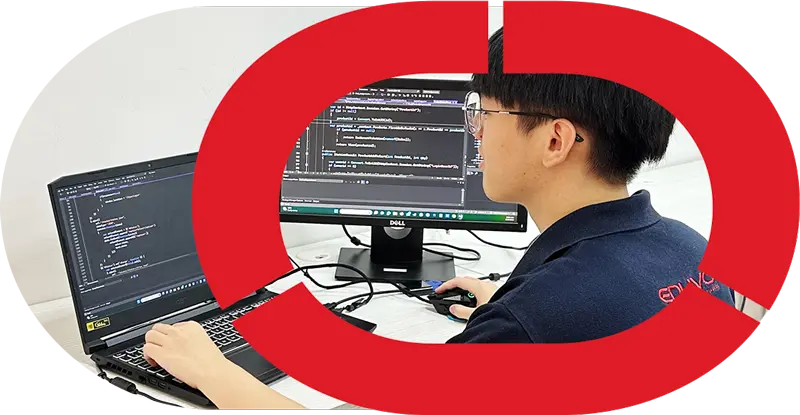


Is IT Support a Good Career in Malaysia?
Is IT Support a good career Malaysia? Yes, for students and career changers who want a practical entry into tech, IT Support can be a worthwhile path because it builds employable skills in helpdesk su
Quick answer
Is IT Support a good career Malaysia? Yes, for students and career changers who want a practical entry into tech, IT Support can be a worthwhile path because it builds employable skills in helpdesk support, operating systems, troubleshooting, networking basics, and hardware work. With the right training, such as Eduvo Academy’s one-year, hands-on TVET route, it can be a realistic starting point.
Key Takeaways
- IT Support is a practical career path for Malaysia’s growing tech workforce.
- Entry-level roles can begin with foundational skills in helpdesk support, OS, troubleshooting, and networking basics.
- A no SPM requirement pathway and age 16 and above entry can make it more accessible for beginners.
- Eduvo Academy’s Professional Diploma in IT Support offers one-year programme training, real lab equipment, Action Learning, and an internship pathway.

IT Support is often a realistic option for students and parents who want a clear, skills-based route into the tech industry without waiting for a longer academic path. This guide explains the job scope, the types of entry-level roles available, and what employers usually expect from beginners in Malaysia. It also looks at IT Support salary Malaysia in a practical way, so readers can understand the career potential without unrealistic promises. Most importantly, it shows how Eduvo Academy’s German Ausbildung-inspired training and hands-on TVET approach can help learners build confidence through real lab equipment and workplace-relevant skills.
Is IT Support a good career in Malaysia?
Yes — it can be a good career in Malaysia for people who like practical problem-solving and want to work with technology in a structured, hands-on way. If you are asking, Is IT Support a good career Malaysia, the short answer is that it can be a strong starting path for beginners who are willing to learn, adapt, and keep building their technical skills.
Who IT Support suits
IT Support is a good fit for students who enjoy fixing things, asking why problems happen, and helping others stay productive. The work often includes checking hardware issues, setting up devices, supporting users with software problems, and making sure systems stay usable for offices, schools, and businesses.
It also suits learners who prefer a skills-based route instead of waiting for a longer academic track. For example, someone who is interested in computers but not yet ready for a full degree can start with an entry-level pathway and build toward roles such as helpdesk support, computer technician, or support technician. The role is especially relevant in Malaysia because many organisations still need people who can respond quickly when devices, networks, or operating systems stop working properly.
A practical training route such as Professional Diploma in IT Support can help beginners move from basic curiosity to workplace readiness. At Eduvo Academy, this one-year programme is designed for learners age 16 and above and does not require SPM, which makes it more accessible for students who want an earlier start. The provider’s Action Learning approach and German Ausbildung-inspired training model also help learners practise with real lab equipment while building habits that match real job environments.
When it may not be the right fit
This path may not suit someone who expects fast results without consistent effort. IT Support involves learning operating systems, networking basics, troubleshooting methods, and helpdesk support procedures, so it is not a passive course. Learners should be prepared to solve repeated issues, communicate clearly with users, and stay patient when the same problem appears in different forms.
It may also be a weaker fit for someone who dislikes routine technical tasks or gets frustrated when devices, printers, networks, or software do not work as expected. In real workplaces, support staff often need to document issues, follow processes, and keep learning as technology changes.
For those who want a realistic entry into the field, the pathway can still be worthwhile. With structured training, an internship pathway, and enough practice on real equipment, beginners can develop the confidence needed to start exploring IT Support salary Malaysia expectations in a grounded way and contact Eduvo Academy to learn more about the programme.
What does an IT Support professional do?
IT Support professionals keep workplace technology running day to day. They respond to user problems, maintain devices and systems, and help staff stay productive when computers, software, or networks stop working properly.
Core responsibilities
At an entry level, the role is usually focused on practical support rather than advanced engineering. A technician may set up laptops, install software, reset passwords, check network connections, replace faulty parts, and guide users through common fixes. In many workplaces, the job also includes maintaining user accounts, updating operating systems, and logging requests in a helpdesk system so issues can be tracked properly.
The work often connects directly to the areas learners practise in a Professional Diploma in IT Support. That means the daily job is not just “fixing computers,” but understanding how different systems fit together.
| Daily task area | What the work usually involves | Systems supported |
|---|---|---|
| Computer support | Diagnose slow performance, startup errors, or hardware faults | Desktops and laptops |
| Device support | Configure printers, scanners, and other office devices | Office peripherals and endpoints |
| Software support | Install apps, update programs, and solve compatibility issues | Business software |
| User account support | Reset credentials and manage access requests | Logins and permissions |
| Operating system support | Troubleshoot Windows or other system issues | Operating systems |
| Basic network support | Check Wi-Fi, cables, and local connectivity | Small office networks |
| Helpdesk requests | Record, prioritise, and resolve support tickets | Service desk systems |
For a practical overview of progression and job direction, the provider’s page can help learners see how this role connects to longer-term options.
Common workplace situations

A support technician may be asked to fix a printer that is not connecting, help a user who cannot open email, or trace why a laptop is not getting internet access. In some cases, the issue is simple, such as a loose cable or a forgotten password. In others, it may involve checking device settings, software updates, or basic network configuration.
This is why strong communication matters as much as technical knowledge. A good support professional listens carefully, explains steps clearly, and works methodically until the problem is resolved or escalated. In Malaysia, employers in offices, schools, retail, and service environments often value this combination of technical support and customer handling skills.
For learners asking whether this path fits their interests, the answer is often yes if they enjoy practical problem-solving, structured routines, and working with real equipment in real situations. To understand the training route more clearly, Eduvo Academy offers a pathway designed for beginners, including no SPM requirement, age 16 and above, and a one-year programme with hands-on hardware training, networking basics, troubleshooting, operating systems, helpdesk support, real lab equipment, internship pathway, Action Learning, and German Ausbildung-inspired training. Contact Eduvo to learn how this pathway can prepare you for entry-level support work in Malaysia.
Which entry-level IT Support jobs can beginners apply for?
Yes, beginners can apply for several starter roles in this field, especially if they are willing to learn, communicate well, and handle practical tasks with patience. For someone asking whether this path makes sense as a career in Malaysia, the answer is often yes when the goal is to start with entry-level support work and grow from there.
Typical starter roles
Beginner roles usually focus on first-line support, basic troubleshooting, and routine maintenance rather than advanced system administration. Common job titles include IT support technician, helpdesk support, computer technician, technical support assistant, junior network support, and systems support assistant.
| Starter job title | Main focus | Typical beginner tasks |
|---|---|---|
| IT support technician | General user and device support | Set up PCs, check hardware issues, reset accounts, install software |
| Helpdesk support | First contact for users | Log tickets, answer calls or chats, guide users through simple fixes |
| Computer technician | Device repair and maintenance | Test laptops, replace parts, troubleshoot printers and peripherals |
| Technical support assistant | Day-to-day technical assistance | Help staff with login issues, software setup, and basic system checks |
| Junior network support | Basic network assistance | Check cables, verify Wi-Fi access, support routers and switches under supervision |
| Systems support assistant | Support for workplace systems | Assist with system access, updates, user accounts, and internal tools |
These roles are often found in offices, schools, service centres, retail operations, and small IT departments. They are practical starting points for people who prefer learning on the job while building confidence with real support tasks.
How these roles differ
The main difference is the type of problem you handle. Helpdesk work is usually more user-facing, while technician roles involve more device inspection and repair. Junior network support leans more toward connectivity and infrastructure, while systems support often involves accounts, software access, and internal tools.
If you want a simple route into this field, it helps to compare roles based on what you enjoy most: talking to users, fixing hardware, or checking systems. Salary also varies by employer, location, and scope of responsibility, so IT Support salary Malaysia should be viewed as role-specific rather than one fixed figure. For a step-by-step route into a related support role, see How to Become an IT Technician in Malaysia: 2026 Guide.
A structured pathway can help beginners prepare for these starter jobs through practical exposure. Eduvo Academy’s Professional Diploma in IT Support is built around a one-year programme with real lab equipment, Action Learning, German Ausbildung-inspired training, and an internship pathway, which can help learners understand the expectations of entry-level work before they apply.
What skills do employers want in IT Support candidates?
IT support can be a good career path in Malaysia if you enjoy solving practical problems and helping people stay productive. Employers usually want candidates who understand the basics well, communicate clearly, and can stay calm when systems stop working.
Technical basics
A strong beginner should know how common office technology works, not just how to click through menus. The most useful skills usually include:
- Basic hardware knowledge: identifying parts such as RAM, storage drives, printers, laptops, and cables
- Operating systems: installing, updating, and fixing common Windows issues
- Networking basics: understanding Wi‑Fi, IP addresses, routers, switches, and internet connectivity
- Troubleshooting: tracing problems step by step instead of guessing
- Helpdesk support: logging issues, following ticket priorities, and documenting solutions
- Software setup: configuring email, user accounts, printers, and everyday business applications
- Security awareness: using safe passwords, recognising suspicious files, and following access rules
Many employers also value people who are comfortable working with real devices in a lab or workplace setting. That is one reason practical training matters. The Professional Diploma in IT Support at Eduvo Academy is designed around one-year, job-focused learning that includes real lab equipment, Action Learning, German Ausbildung-inspired training, and an internship pathway.
For beginners who want a practical route into the field, this can be a useful next step after reading How to Become an IT Technician in Malaysia: 2026 Guide.
Soft skills that matter
Technical knowledge alone is not enough. IT support staff work with users who may be stressed, confused, or frustrated, so employers look for people who can handle pressure professionally.
- Clear communication: explaining problems and fixes in simple language
- Patience: guiding users without sounding rushed or dismissive
- Attention to detail: spotting small errors that cause bigger system issues
- Responsibility: following procedures and escalating issues when needed
- Time management: handling multiple support requests in a structured way
- Teamwork: coordinating with colleagues across operations, admin, and technical teams
- Willingness to learn: keeping up with changing devices, software, and workplace tools
In many cases, employers prefer candidates who can learn on the job and adapt quickly. For students aged 16 and above, and even those without an SPM requirement, this makes IT support a realistic starting point if they are committed to building practical skills and a professional work attitude.
Why do hands-on training and internship exposure matter?
Yes — practical training is one of the biggest reasons IT support can be a strong career path in Malaysia. Employers want people who can work with real devices, real users, and real systems, not just explain concepts in theory.
Real lab equipment and practice
IT support work is built around doing, not memorising. In a proper training environment, students should practise with desktop computers, laptops, routers, switches, printers, operating system setups, and common workplace software. This matters because real troubleshooting often involves small but important issues such as a faulty cable, a slow startup, a network login problem, or a system that needs basic configuration.
A course with real lab equipment helps students learn how to test hardware, identify errors, rebuild simple systems, and support users more confidently. It also gives them a safer place to make mistakes, ask questions, and repeat tasks until the process becomes familiar. For beginners, this kind of repetition is what turns classroom knowledge into workplace readiness.
If you want a broader look at how practical pathways compare, this TVET IT course Malaysia: Complete 2026 Guide can help you understand the wider options available.
How Eduvo Academy structures learning
At Eduvo Academy, the Professional Diploma in IT Support is designed as a one-year programme that combines theory with Action Learning and German Ausbildung-inspired training. That means students do not only study what IT support is; they also practise how to respond to common workplace situations step by step.
The structure includes hands-on hardware training, networking basics, troubleshooting, operating systems, and helpdesk support in a guided lab setting. Students learn how to diagnose problems, document fixes, and communicate clearly when users need assistance. This is important because internship experience often becomes the first time a student sees how IT support works in a real office or service environment.
For many learners, that internship pathway adds confidence, discipline, and exposure to workplace expectations. It also helps them understand whether they prefer hardware support, user support, or broader technical operations. The programme is open with no SPM requirement for age 16 and above, which makes it accessible for students who want a practical start without waiting for a more traditional academic route.
If you are exploring a beginner-friendly route into IT support, contact Eduvo Academy to learn more about the Professional Diploma in IT Support and how this pathway can help you build practical skills for the workplace.
Frequently Asked Questions
What does IT Support do in Malaysia?
Is IT Support a good career in Malaysia for beginners?
What entry-level jobs can you get in IT Support?
What skills are most important for IT Support work?
How can Eduvo Academy help someone start in IT Support?
References
- Department of Statistics Malaysia — Department of Statistics Malaysia
- Department of Statistics Malaysia — Department of Statistics Malaysia
- Malaysia Digital Economy Corporation (MDEC) — Malaysia Digital Economy Corporation (MDEC)
- MYFutureJobs — MYFutureJobs
- eMASCO, Ministry of Human Resources Malaysia — eMASCO, Ministry of Human Resources Malaysia


