


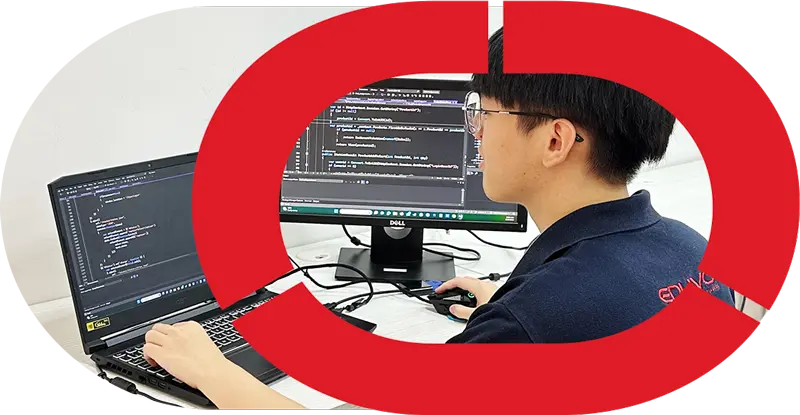


Is Software Engineering a Good Career in Malaysia?
Is Software Engineering a Good Career in Malaysia? Yes, for students and career changers who are willing to build practical coding skills, software engineering can be a strong long-term path in Malays
Quick answer
Is Software Engineering a Good Career in Malaysia? Yes, for students and career changers who are willing to build practical coding skills, software engineering can be a strong long-term path in Malaysia because it offers clear beginner entry routes, portfolio growth through real projects, and opportunities to progress through internships and industry experience.
Key Takeaways
- Software engineering is a practical career path for Malaysians who want to build job-relevant digital skills.
- Beginners should focus on coding skills, web development, databases, and GitHub portfolio projects.
- A realistic route can start with a one-year programme, followed by an internship pathway and further skill development.
- Eduvo Academy offers a beginner-friendly, German Ausbildung-inspired training approach with Action Learning and no SPM requirement for eligible learners age 16 and above.

Software engineering can be a sensible choice for Malaysians who want a career built on practical skills, structured learning, and steady progression. This guide explains the real beginner pathway, what core skills matter, how to build a GitHub portfolio and software projects, and why internship experience is important. It also shows how Eduvo Academy supports learners through a one-year programme, Action Learning, and German Ausbildung-inspired training for students, parents, and career changers.
Is Software Engineering a Good Career in Malaysia?
Yes — for learners who like coding, logic, and solving real problems, software engineering can be a strong career option in Malaysia. It is especially relevant for people who want a practical path into the digital economy without following a traditional academic route.

In simple terms, software engineers build, test, fix, and improve digital systems. That can include websites, business apps, booking systems, internal company tools, and mobile-friendly platforms used by Malaysian businesses every day. For beginners, this can open doors to roles such as junior web developer, junior software developer, QA tester, or software support, depending on their skills and project experience.
The career outlook is also supported by Malaysia’s ongoing digital growth. The country’s digital economy contributed 23.5% of GDP in 2022 (DOSM, 2023), showing how important technology-related roles have become across industries. At the same time, employers often look for more than theory. They want candidates who can show coding skills, understand web development, work with databases, and present software projects in a GitHub portfolio. That makes this career path attractive for learners who prefer practical, job-focused education.
For parents and students asking, “Is Software Engineering a Good Career in Malaysia?” the answer depends on commitment and fit. It suits learners who are willing to practise regularly, learn new tools, and build confidence through real tasks. It is not a shortcut career, but it can be a meaningful one for those who enjoy creating useful digital solutions.
This is where a structured option like Professional Diploma in Software Engineering can help. A one-year programme with an internship pathway gives beginners a clearer starting point, especially when it includes Action Learning and German Ausbildung-inspired training. The provider also supports learners with no SPM requirement and welcomes age 16 and above, making the route more accessible for school leavers and early career starters.
If you are exploring a software engineering career Malaysia pathway and want a practical first step, contact Eduvo Academy to learn how the training centre supports beginner learners through career-focused preparation and project-based growth.
What Does a Software Engineer Do?
Software engineers build digital tools that people use every day. In simple terms, they plan, write, test, and improve software so websites, apps, and internal systems work properly.
Build software systems
A software engineer turns an idea into something functional. This can include a customer portal, a school management system, or a mobile-friendly website.
- Write code using programming languages to create features
- Work with web development to build pages, forms, and user functions
- Organise information using databases so data can be stored and retrieved properly
- Use GitHub portfolio projects to show what they have built and how they solve problems

Test and debug code
A big part of the job is checking whether the software works as expected. Small mistakes in code can affect the user experience, so testing matters at every stage.
- Run tests to find errors before users do
- Debug code by tracking down what caused a problem
- Fix broken buttons, loading issues, or login errors
- Check whether the software works on different devices and browsers
This is why beginners should expect a mix of writing and reviewing work, not just building new features. It also helps explain why Software Engineering Course Malaysia 2026 Guide can be useful for learners who want a clearer picture of the training path before choosing a programme.
Improve existing products
Software engineers do not only create new systems. They also update existing products so they stay useful, secure, and easier to use.
- Add new features based on user needs
- Improve speed, layout, or navigation
- Repair old functions that no longer work well
- Support team members by sharing notes, fixes, and updates
In a beginner software engineering career Malaysia pathway, this work often starts in junior roles such as junior web developer, junior software developer, QA tester, or software support. These roles help new learners build confidence while learning from real projects.
For students comparing options, Professional Diploma in Software Engineering from Eduvo Academy is designed to help beginners understand these daily tasks through practical training, software projects, and an internship pathway. With a one-year programme, Action Learning, and German Ausbildung-inspired training, the focus is on building coding skills gradually and applying them in realistic tasks.
If you want to move from interest to action, contact Eduvo Academy and ask about the next intake and how this pathway supports beginner learners.
What Skills Do You Need to Start Software Engineering?
You do not need advanced knowledge to begin. A beginner usually needs basic coding ability, problem-solving habits, and the willingness to practise regularly while building simple projects.
Coding fundamentals
The first skill is learning how code works. Start with simple logic such as variables, conditions, loops, and functions, because these are the building blocks of most software. If you are wondering whether software engineering is a good career in Malaysia, this is where the answer becomes practical: students who enjoy structured thinking and step-by-step learning often find it a strong fit.
A beginner should also understand how to read error messages and fix small mistakes. This matters because most early learning comes from debugging, not from writing perfect code on the first try. The provider’s Professional Diploma in Software Engineering introduces these basics in a guided way, making it easier for first-time learners to build confidence.
Web development and databases
Many beginners start by learning web development and simple database concepts. Web development helps you understand how websites and apps are built, while databases teach you how information is stored and retrieved.
| Skill area | Why it matters | How beginners can practise |
|---|---|---|
| Coding fundamentals | Helps you write basic logic and understand program structure | Build small exercises using variables, loops, and functions |
| Web development | Shows how pages, forms, and user interfaces work | Create a simple personal website or landing page |
| Databases | Teaches how data is saved, searched, and updated | Practise with basic tables, records, and simple queries |
These skills are especially useful for a software engineering career Malaysia pathway because many entry-level tasks involve updating websites, managing data, and supporting existing systems. A one-year programme can be a good starting point for learners who want focused, practical preparation instead of a long academic route.
Git/GitHub and communication
Another important skill is using GitHub portfolio tools to save your work and show progress. Even simple software projects become more useful when you can organise them clearly and explain what you built. This is where many beginners can stand out, because a small but well-presented project often shows more readiness than theory alone.
You should also practise communication. In real workplaces, you may need to ask questions, write short updates, or explain bugs to teammates. That is why an internship pathway matters: it gives learners a chance to practise both technical and professional habits.
For students who want a structured start, Software Engineering Course for Beginners Malaysia | Eduvo can help connect coding skills, Action Learning, and German Ausbildung-inspired training into one beginner-friendly path. Software engineers usually grow through practice, not shortcuts, and that makes the right training environment very important.
What Are the Entry-Level Pathways for Beginners in Malaysia?
Yes, there are realistic entry-level pathways for beginners in Malaysia, including students as young as 16 and above and learners with no SPM requirement in some training routes. A practical software engineering career Malaysia pathway usually starts with basic coding, then moves into guided projects, internship exposure, and a first junior role.
A realistic beginner pathway
- Start with structured beginner learning.
A good first step is to learn the basics of coding skills, web development, and databases in a structured environment. The provider’s Professional Diploma in Software Engineering is designed as a one-year programme, which can suit learners who want a focused start instead of waiting for a longer route. At this stage, students usually learn how software is planned, written, tested, and improved through Action Learning and German Ausbildung-inspired training.
- Build proof of work through projects.
Beginners should create simple software projects such as a basic website, a login page, a task manager, or a small database-driven app. These projects can be stored in a GitHub portfolio so employers can see real work, not just theory. This is especially useful for students who want to show steady progress before applying for internships or entry-level roles.
- Enter an internship pathway and prepare for junior roles.
After building enough fundamentals, learners can move into an internship pathway where they practise teamwork, problem-solving, and workplace communication. This is where many beginners get ready for roles such as junior web developer, junior software developer, QA tester, or software support. A Software Engineering Course Malaysia 2026 Guide can help families compare the wider learning route before choosing a starting point.
For students who want a more advanced route later, a Professional Degree in Software Engineering may be relevant after completing foundational training. But for many beginners, the immediate goal is simpler: learn the basics, complete projects, and become ready for a first technical role.
In Malaysia, this step-by-step path can be especially helpful for school leavers, career switchers, and parents looking for a practical option that does not depend only on classroom theory. Eduvo Academy offers a starting point that keeps the focus on readiness, consistency, and real-world application.
If you are exploring the next step, contact Eduvo to ask about beginner entry options, the no-SPM requirement route, and how the training pathway supports age 16 and above learners.
How to Build a Portfolio That Helps You Get Started
What should a beginner include in a software portfolio?
A strong starter portfolio should show what you can build, not just what you have studied. Include 3 to 5 small but complete software projects, such as a personal website, a simple to-do app, a basic booking form, or a mini student dashboard. Add code samples, screenshots, a short explanation of the problem you solved, and a clear list of tools used, such as HTML, CSS, JavaScript, GitHub, or a database system.
Why does a portfolio matter more than a long list of certificates?
For beginners, employers and recruiters often want proof that you can apply coding skills in real situations. A portfolio gives them something visible to review: your web development work, your problem-solving approach, and how you improve after feedback. That is especially useful for entry-level roles because a candidate who can show practical software projects is easier to assess than someone with theory alone.
How can students make their portfolio more useful for employers?
Focus on simple, job-relevant examples. For instance, one project can show front-end skills, another can show database use, and another can show how you use GitHub to track changes and manage versions. If you can, include one group project that shows teamwork and one individual project that shows independence. A clean GitHub portfolio also helps employers see how you organise files, write comments, and fix bugs.
What kind of projects are best for a first portfolio?
Choose projects that reflect beginner roles such as junior web developer, junior software developer, QA tester, or software support. Good examples include a responsive business website, a login page with form validation, a simple inventory tracker, or a bug-reporting tool. These projects help show that you understand how to build, test, fix, and improve software systems in practical ways.
How does this training pathway help students prepare faster?
A one-year programme with Action Learning and German Ausbildung-inspired training can help learners move from basic lessons into real practice sooner. At Eduvo Academy, students can develop a Professional Diploma in Software Engineering portfolio by combining coding exercises, databases, GitHub practice, and software projects with internship pathway preparation. That structure is especially useful for age 16 and above learners, including those exploring a no-SPM requirement route.
If you want a practical way to start building your portfolio and career direction, contact Eduvo to ask about the Professional Diploma in Software Engineering and how this pathway supports beginner learners in Malaysia.
Frequently Asked Questions
What does a software engineer actually do?
Is Software Engineering a Good Career in Malaysia for beginners?
What entry-level jobs can I get after starting software engineering?
Do I need excellent grades to start learning software engineering?
How can I know if software engineering is the right career for me?
References
- Malaysia Digital Economy Corporation (MDEC) — Malaysia Digital Economy Corporation (MDEC)
- Malaysia Digital Economy Corporation (MDEC), *Horizon 2023: Digital Skills in Demand* — Malaysia Digital Economy Corporation (MDEC), *Horizon 2023: Digital Skills in Demand*
- Department of Statistics Malaysia (DOSM), *Malaysia Standard Classification of Occupations (MASCO)* — Department of Statistics Malaysia (DOSM), *Malaysia Standard Classification of Occupations (MASCO)*
- Malaysia Digital Economy Corporation (MDEC), *Publication - Reports* — Malaysia Digital Economy Corporation (MDEC), *Publication - Reports*
- Malaysia Digital Economy Corporation (MDEC) — Malaysia Digital Economy Corporation (MDEC)


