


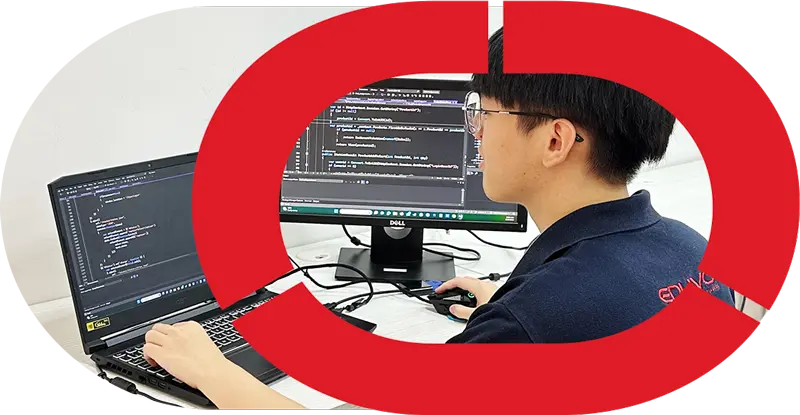


Is Software Engineering Hard? A Beginner Guide for Malaysia
Is Software Engineering hard? It can feel hard at first because beginners must learn coding, web development, databases, GitHub, and problem-solving all at once, but it becomes much more manageable wi
Quick answer
Is Software Engineering hard? It can feel hard at first because beginners must learn coding, web development, databases, GitHub, and problem-solving all at once, but it becomes much more manageable with structured practice and guidance. For Malaysian students, the path is clearer when learning is hands-on, realistic, and tied to career goals.
Key Takeaways
- Software engineering is challenging mainly because it combines technical skills, logical thinking, and consistent practice.
- Beginners often struggle most with coding fundamentals, debugging, and building real software projects.
- A structured programme with Action Learning, internships, and portfolio-building can reduce confusion.
- For Malaysia-based students and parents, software engineering can be a practical career path with no SPM requirement and entry from age 16 and above at Eduvo Academy.

Software engineering is often misunderstood as being “too difficult,” but the real issue is usually the learning approach, not the subject itself. This guide explains why software engineering feels hard, which parts are most challenging for beginners, and what parents and students should look for in a realistic training pathway. It also shows how Eduvo Academy supports learners through a one-year programme, practical coding skills, web development, databases, GitHub portfolio building, software projects, internship pathway, and German Ausbildung-inspired training.
Is Software Engineering Hard?
Yes — software engineering can be hard at first, especially for beginners who are new to logic, coding, and solving problems step by step. But it becomes manageable when students learn with structure, practice regularly, and build real projects instead of only reading theory.
The difficulty usually comes from several beginner hurdles. First, coding syntax can feel unfamiliar because even a small typo may break a program. Second, logic building takes time; learners must understand how to break a problem into smaller steps before they can write a solution. Third, debugging can be frustrating because errors are not always obvious, and students need patience to trace what went wrong. Databases, Git/GitHub, and project planning also add another layer of learning because they require learners to think like a developer, not just a student memorising notes.
This is why many parents ask, “Is Software Engineering hard for a child or teen starting from zero?” The honest answer is yes, it is demanding, but not out of reach. With the right pathway, beginners can learn coding skills gradually through web development exercises, software projects, and guided practice. A one-year programme that combines classroom learning with real output can help students move from basic concepts to a usable GitHub portfolio without feeling lost.
Why it feels difficult at the start
For many learners, the hardest part is not the subject itself but the jump from theory to practice. Writing code, fixing mistakes, and presenting a working project require persistence. That is why a supportive structure matters. In a career-focused route like Professional Diploma in Software Engineering, students can learn through Action Learning, German Ausbildung-inspired training, and an internship pathway that connects lessons to workplace expectations.
For Malaysian families asking, “Is Software Engineering a good career Malaysia?” the answer depends on whether the learner enjoys solving problems, building things, and improving through practice. It can be a practical software engineering career Malaysia path for students who want a job-ready route without taking a traditional degree first. The provider also offers entry with no SPM requirement and accepts learners age 16 and above, which makes the pathway more accessible for motivated beginners.
If you want a realistic starting point, contact Eduvo Academy to understand the training flow, the Professional Degree in Software Engineering option, and how the programme supports students from beginner level to portfolio stage.
What Makes Software Engineering Challenging for Beginners?
Software engineering is challenging for beginners because it combines logic, patience, and practice—not just memorising code. The good news is that most learners improve step by step when the pathway is structured and the projects are realistic.
Coding syntax and logic
At the start, many students struggle with the “rules” of a programming language and the thinking behind it. A small missing bracket, wrong variable name, or unclear condition can stop a program from running.
Common beginner pain points include:
- Syntax mistakes — simple typing errors can cause the whole program to fail.
- Logic errors — the code runs, but the result is wrong because the steps are not organised well.
- Problem-solving pressure — beginners may know the lesson, but still feel stuck when they have to build something from scratch.
- Too much information at once — new learners often meet coding, tools, and concepts together in the first few weeks.
These challenges are normal. They do not mean a learner is weak; they usually mean the learner is still developing the habit of thinking like a developer.
Debugging, databases, and GitHub

Debugging is another major hurdle because students must read errors, trace the cause, and test possible fixes. That process can feel slow at first, especially when the issue is hidden in only one line of code.
- Debugging — finding why the program is not working can take more time than writing the code itself.
- Databases — beginners must understand how data is stored, saved, and retrieved, which adds another layer of technical thinking.
- GitHub — version control can feel confusing at first, especially when learners are saving work, pushing updates, or recovering mistakes.
- Portfolio tasks — building a GitHub portfolio means students must organise their software projects clearly, not just complete them.
If you are comparing beginner tech pathways, this IT Support vs Software Engineering Malaysia Guide can help you see which route matches your strengths.
Planning software projects
A project is often harder than a single coding exercise because it requires planning from start to finish. Students need to break a feature into smaller tasks, decide what to build first, and keep improving the work through testing.
This is where a Professional Diploma in Software Engineering can help by giving learners a one-year programme structure, guided practice, and internship pathway exposure. With the right support, beginners can build coding skills, web development confidence, databases knowledge, and a stronger GitHub portfolio without rushing the process.
Software Engineering vs IT Support: Which Path Fits You Better?
Software engineering and IT support both lead into the tech industry, but they suit different working styles. If you enjoy building digital products and solving deeper technical problems, software engineering may fit better; if you prefer helping users fix day-to-day device and system issues, IT support may feel more natural.
Daily work differences
| Feature | Software Engineering | IT Support |
|---|---|---|
| Main tasks | Build websites, apps, and systems using code | Help users troubleshoot computers, networks, accounts, and devices |
| Typical output | Software projects, features, updates, and technical solutions | Resolved tickets, device fixes, system access support, and user guidance |
| Learning style | More coding, logic, testing, and project development | More hardware, system tools, troubleshooting, and customer communication |
| Work pace | Longer project cycles with planning and revision | Faster response to urgent user issues and service requests |
| Career direction | Product development, backend or frontend work, testing, and systems roles | Technical support, helpdesk, desktop support, and junior IT operations |
For a side-by-side breakdown of both pathways, IT Support vs Software Engineering Malaysia Guide is useful for students and parents who want a clearer comparison.
Skills that suit each path
Software engineering suits learners who like structured problem-solving, patience, and building things from scratch. It also helps if you are interested in coding skills, web development, databases, and creating a GitHub portfolio with software projects that show your progress over time.
IT support suits learners who are calm under pressure, enjoy helping people, and can explain technical issues in a simple way. A student who likes fixing laptop problems, setting up accounts, or helping others use systems may find this route more comfortable.
How to decide as a student or parent
If you are asking whether this is a good career in Malaysia, the answer depends on interest, not just academic results. The software engineering career Malaysia path is better for students who want to build digital products and can commit to steady practice. IT support may be a better start for those who want quicker exposure to workplace support tasks.
Parents should also look at entry requirements and learning structure. The provider offers a Professional Diploma in Software Engineering with no SPM requirement, age 16 and above eligibility, a one-year programme, Action Learning, German Ausbildung-inspired training, and an internship pathway that helps learners connect theory with real work habits. Eduvo Academy also provides a Professional Degree in Software Engineering route for learners who want a longer-term progression plan.
If your child is unsure, start by asking: do they enjoy building, or do they enjoy fixing? That simple question often points to the right path. For those comparing the software engineer salary Malaysia topic too, it is best to focus first on fit, skills, and long-term growth.
To learn more about this pathway and speak with the team, contact Eduvo Academy and JOIN US NOW.
How Can Beginners Get Better at Coding and Project Work?
Beginners improve fastest by practising a little every day, building small projects, and learning how to fix mistakes without panicking. Progress comes from repetition and structure, not from trying to master everything at once.
Daily practice habits
A simple routine helps a lot. Spend 30 to 60 minutes a day on one skill: syntax, logic, or tools. For example, one day can focus on variables and loops, while another day can cover functions or basic SQL queries for databases. This steady pace is easier to maintain than long, irregular study sessions.
- Write code daily, even if it is just 10 to 20 lines.
- Read error messages carefully before changing the code.
- Break one problem into smaller steps and solve them one by one.
- Revisit older exercises to strengthen memory and confidence.
- Use GitHub regularly so you get used to saving, tracking, and sharing your work.
A good beginner goal is not perfection. It is learning how to think through problems, test ideas, and improve with each attempt.
Small projects and portfolio building
Small projects are one of the best ways to grow because they turn theory into something visible. Start with simple ideas such as a calculator, to-do list, student record form, or personal budget tracker. Then move to slightly bigger software projects, such as a login page, basic inventory system, or a simple website connected to a database.
As you build, keep each project in a GitHub portfolio with a short description, screenshots, and a note on what you learned. This helps employers and mentors see your progress over time. It also teaches you how to plan work, organise files, and handle version control properly.
Getting help from structured training
For many beginners, a clear learning path makes the biggest difference. A structured programme such as the Professional Diploma in Software Engineering can help learners move from basic coding skills to web development, databases, and project work in a more organised way. You can also explore Software Engineering Course for Beginners Malaysia | Eduvo if you want a beginner-friendly route with guided practice.
This is where the provider’s Action Learning approach and German Ausbildung-inspired training can be useful. Instead of only reading theory, students practise, reflect, improve, and apply what they learn to real tasks. That kind of support is especially helpful for learners who want to build confidence step by step and prepare for an internship pathway later on.
If you want a realistic way to grow, focus on practice, projects, and support. That combination is usually what helps beginners move from confusion to competence.
Is Software Engineering a Good Career in Malaysia?
Is software engineering a good career in Malaysia?
Yes, it can be a strong career choice in Malaysia for learners who enjoy building things, solving problems, and improving with practice. The field is used across many industries, so software engineering career Malaysia options can include startups, agencies, fintech, e-commerce, manufacturing, and public-sector projects.
What makes this career worth considering?
Malaysia continues to grow its digital economy, and that creates demand for people who can build websites, systems, and internal business tools. A software engineer salary Malaysia can vary by skills, experience, location, and company size, so it is better to think in terms of long-term growth rather than quick gains. For beginners, the real value is learning a skill set that can open doors to multiple technical roles over time.
What should beginners expect in the early stage?
At the start, the work is usually not about perfection. It is about learning coding skills, understanding web development basics, working with databases, and becoming comfortable using GitHub portfolio projects to show what you can do. A beginner may also spend time fixing bugs, reading documentation, and improving software projects step by step.
Does it suit students who want a practical route?
Yes, especially for learners who prefer applied learning over a purely academic path. A one-year programme such as Professional Diploma in Software Engineering can be a useful starting point because it focuses on job-relevant skills, not just theory. For some learners, the no SPM requirement and age 16 and above entry route also make it more accessible than a traditional path, especially when paired with an internship pathway and clear guidance from the provider.
How does it help students plan their future?
If you are still asking, “Is Software Engineering a good career Malaysia?”, the best answer is to look at your learning style and goals. A structured route can lead toward further study, such as a Professional Degree in Software Engineering, or toward entry-level technical roles after building a stronger portfolio. You can also read Software Engineering Course Malaysia 2026 Guide for a broader overview of course options and what to expect next.
If you want a practical first step, contact Eduvo Academy to ask about the programme, Action Learning, German Ausbildung-inspired training, and how this pathway can support your growth.
Frequently Asked Questions
Is software engineering hard for beginners?
What makes software engineering hard to learn?
How can I make software engineering easier to learn?
Can students with no SPM join software engineering training in Malaysia?
Is software engineering hard if I am not good at math?
References
- U.S. Bureau of Labor Statistics — Occupational Outlook Handbook: Software Developers, Quality Assurance Analysts, and Testers — U.S. Bureau of Labor Statistics — Occupational Outlook Handbook: Software Developers, Quality Assurance Analysts, and Testers
- Coursera — Introduction to Software Engineering — Coursera — Introduction to Software Engineering
- Coursera — How to Get Into Software Development — Coursera — How to Get Into Software Development
- Malaysia Digital Economy Corporation (MDEC) — Malaysia Digital Economy Corporation (MDEC)
- Ministry of Education Malaysia — Malaysian Qualifications Framework (MQF) — Ministry of Education Malaysia — Malaysian Qualifications Framework (MQF)


