




Can I Study IT Without SPM in Malaysia?
Yes, you can study IT without SPM in Malaysia through selected practical pathways, but entry requirements depend on the programme. At Eduvo Academy, learners aged 16 and above can explore a no SPM req
Quick answer
Yes, you can study IT without SPM in Malaysia through selected practical pathways, but entry requirements depend on the programme. At Eduvo Academy, learners aged 16 and above can explore a no SPM requirement route into IT through a one-year programme with hands-on training, real lab equipment, and structured support toward job-ready skills.
Key Takeaways
- “Without SPM” does not always mean “no requirements”; each course has its own entry criteria.
- IT without SPM Malaysia options are usually more practical and skills-focused than academic.
- Eduvo Academy offers pathways such as Professional Diploma in IT Support, Professional Diploma in Software Engineering, Professional Degree in Information Technology, and Professional Degree in Software Engineering.
- A realistic no SPM IT course Malaysia pathway should include hands-on training, internship pathway exposure, and clear progression for beginners.

This guide explains what “without SPM” really means, which IT entry routes are realistic for Malaysian students and parents, and how to compare options before enrolling. It also shows how Eduvo Academy supports age 16 and above learners through German Ausbildung-inspired training, Action Learning, and practical IT skill development. If you are exploring a no SPM requirement pathway into tech, this FAQ-style overview will help you make a clear and informed decision.
Can I Study IT Without SPM in Malaysia?
Yes — in some cases, you can study IT without SPM in Malaysia, but the entry route depends on the programme and the student’s background. Some pathways are open to learners who did not sit for SPM, failed SPM, or left school early, while others may ask for a minimum age, interview, or basic English and computer readiness.

For example, Professional Diploma in IT Support may suit beginners who want a structured start in technical skills, while Professional Diploma in Software Engineering can be a better fit for learners who want to build coding foundations step by step. For students aged 16 and above, the provider also offers options that use a one-year programme structure with practical learning, real lab equipment, and an internship pathway to help learners understand workplace expectations early.
This matters because “without SPM” does not mean the same thing for everyone. One student may have weak SPM results, another may have missed the exam, and another may have stopped school earlier. A good no SPM requirement route should clearly explain what documents are needed, whether an interview is required, and how the learner will progress from beginner level to job-ready competence.
Eduvo Academy uses Action Learning and German Ausbildung-inspired training to keep lessons practical and relevant, especially for school leavers, parents, and career changers looking for IT without SPM Malaysia options. The training centre also says its pathways have supported over 500 graduates and reports a 99% employment rate (Eduvo Academy, 2026), so it is worth asking how outcomes are measured before enrolling.
If you are comparing a no SPM IT course Malaysia option, check the full entry criteria, ask about progression, and contact Eduvo directly through JOIN US NOW.
What Does "Without SPM" Actually Mean?
Yes — it usually means a learner does not have a normal SPM certificate route, but the reason can be very different from one person to another. For IT without SPM Malaysia options, the provider will usually look at your actual situation, not just the label.
Failed SPM
This means you sat for SPM but did not get the results you wanted. In many cases, a skills-based pathway may still consider you if you can show commitment, basic literacy, and readiness for training.
Weak SPM results
This usually refers to students who passed only some subjects or did not achieve strong grades. A Professional Diploma in IT Support or a Professional Diploma in Software Engineering may still be suitable if the entry check focuses more on interest, aptitude, and willingness to learn than on high academic scores.
Did not sit for SPM
Some students leave school early, move into work, or miss the exam entirely. For these learners, a no SPM requirement route may ask for an interview, school history, age proof, or a learning assessment. This is where Technical Course Without SPM Malaysia | Practical Options can help readers compare next steps more clearly.
The key thing to understand is that “without SPM” is not one single category. It can include:
- failed SPM and needs a second pathway
- weak SPM results and wants a skills-first option
- did not sit for SPM and needs an entry route based on readiness
- age 16 and above learners looking for a practical start
- adults returning to study after a break
For some learners, the next step may also be a Professional Degree in Information Technology or Professional Degree in Software Engineering pathway, depending on the programme structure and entry screening. In a one-year programme, the provider may place more emphasis on hands-on training, real lab equipment, and an internship pathway than on a traditional exam history.
What No SPM IT Course Malaysia Options May Exist?
Yes — some skills-based IT pathways may still be open even if a student does not have SPM. The important part is that each programme sets its own entry rules, so families should check the requirements carefully before applying.
Skills-based entry
In a no SPM IT course Malaysia search, the most realistic options are usually programmes that assess readiness through an interview, basic screening, or prior learning history rather than exam results alone. This route is often suitable for school leavers, career changers, and learners who want a practical start in tech.
| Feature | Skills-based entry pathway | Traditional academic route |
|---|---|---|
| Entry style | Interview, screening, or learning assessment | Exam results and academic records |
| Learning focus | Practical tasks, tools, and job-related skills | More theory-heavy structure |
| Best for | Learners who want a hands-on start | Learners who already meet formal academic entry rules |
| Typical support | Mentoring, guided practice, project work | Lecture-led progression |
This is why options such as Professional Diploma in IT Support may appeal to students who want job-relevant skills first. For more comparison points, readers can also refer to Technical Course Without SPM Malaysia | Practical Options.
Age 16 and above route
Some providers accept learners who are age 16 and above, especially when the programme is built for early career preparation. In practice, this can suit students who left school early or want a structured restart with clearer guidance.
One-year programme structure
A one-year programme is usually designed to move quickly from fundamentals to applied work. At Eduvo Academy, pathways such as Professional Diploma in Software Engineering and Professional Degree in Information Technology may combine hands-on training, real lab equipment, Action Learning, German Ausbildung-inspired training, and an internship pathway. This format can be especially useful for learners who prefer practical progress over long academic theory.
| Pathway type | Entry style | Learning format | Best suited for |
|---|---|---|---|
| Skills-based diploma | Interview or screening | Practical, guided, job-focused | Beginners and school leavers |
| One-year programme | Programme-specific assessment | Fast-track with project work | Learners who want quicker progression |
| Applied IT track | Age 16 and above in some cases | Lab-based, supervised training | Early starters and returnees |
For parents and students weighing options, the key question is not whether every path is open, but whether the programme matches the learner’s readiness, goals, and support needs. The provider also highlights a 99% employment rate and over 500 graduates, which can give families a clearer sense of the training environment.
IT Support vs Software Engineering: Which Path Suits You Better?
Yes — both routes can work for learners without SPM, but they suit different personalities and career goals. If you want a more guided, service-oriented entry into tech, IT Support is often easier to start with; if you enjoy logic, building, and problem-solving, Software Engineering may be the better long-term fit.
IT Support pathway
IT Support is usually the more beginner-friendly choice for students with weak results or no SPM requirement, especially if they are looking for a practical no SPM IT course Malaysia route. The work style is more hands-on and service-based: fixing laptops, setting up networks, troubleshooting software issues, and helping users solve everyday tech problems. For many learners, that means quicker confidence because the tasks are visible and structured.
If you want a step-by-step introduction to the field, this How to Become an IT Technician in Malaysia: 2026 Guide can help you see how the role develops from basic support to more technical responsibilities.
Software Engineering pathway
Software Engineering is better for students who like creating things from scratch. The day-to-day work is more focused on coding, debugging, testing, and improving applications. It can be more challenging at first because you need patience with logic, detail, and repeated practice, but it also suits learners who enjoy building digital solutions and want a stronger technical foundation.
At the provider, Professional Diploma in IT Support is often a practical starting point for learners who need simpler entry and more direct workplace skills, while Professional Diploma in Software Engineering may suit students ready for deeper technical work. Both pathways can be delivered through Action Learning, German Ausbildung-inspired training, and an internship pathway.
| Feature | IT Support pathway | Software Engineering pathway |
|---|---|---|
| Day-to-day work style | Troubleshooting, setup, user support | Coding, testing, debugging |
| Skill focus | Hardware, systems, communication | Programming, logic, problem-solving |
| Learning difficulty | Usually easier for beginners | More demanding at the start |
| Best for students without SPM | Strong fit for practical starters | Good fit if they enjoy technical study and persistence |
How to choose
Choose IT Support if you want a faster, clearer entry into tech. Choose Software Engineering if you are ready for more abstract thinking and longer practice cycles. For students aged 16 and above, the right path is the one that matches current ability, not just future ambition.
What Should Students and Parents Verify Before Enrolling?
Yes — families should verify the entry rules, training structure, and work-placement details before committing. A no SPM IT pathway can be suitable, but only if it matches the student’s current level, goals, and study habits.
Entry requirements
First, check what “without SPM” means for that programme. It may refer to students who did not sit for SPM, students with weak results, or school leavers who left earlier; the entry route is not always the same. For example, Professional Diploma in IT Support may have a different requirement from a more advanced software track, and the provider should state this clearly.
Use this checklist:
- Ask for the full entry requirement in writing, including minimum age and any interview, basic test, or portfolio needed.
- Confirm whether the programme is suitable for age 16 and above, especially for younger school leavers.
- Request the module list so you can see whether the content is beginner-friendly or more technical.
- Check whether the programme is a one-year programme and whether that duration is realistic for the student’s schedule.
- Ask how the provider supports learners who need extra guidance in English, computing basics, or study discipline.
Learning format
Parents should also ask how lessons are delivered. A practical TVET pathway should show clear hands-on training, real lab equipment, and regular project work rather than only theory. If the programme follows Action Learning and German Ausbildung-inspired training, ask how classroom sessions connect to actual tasks and assessments.
Internship pathway
Before enrolling, confirm the internship pathway in detail. Ask when it starts, how students are prepared, and what supervision is provided. The provider states a 99% employment rate and over 500 graduates, so it is reasonable to ask how those figures were measured and whether they reflect the specific intake you are considering. A good programme will explain the placement process, the type of workplace exposure, and how students are coached before entering the workplace.
Is there really no SPM requirement for IT?
Yes, some skills-based pathways do accept applicants without SPM, but this depends on the course and provider. “Without SPM” can mean failed SPM, weak SPM results, did not sit for SPM, or left school earlier, so each applicant should check the exact entry rules before applying.
Who is this type of pathway suitable for?
It is usually suitable for school leavers, parents looking for a practical option, and career changers who want a more direct route into technology skills. For example, a student aged 16 and above may be eligible for a one-year programme if they meet the programme’s own screening criteria and can commit to the study schedule.
What IT options may be available without SPM?
Some structured TVET routes may lead into Professional Diploma in IT Support or Professional Diploma in Software Engineering, while more advanced progression may be offered through Professional Degree in Information Technology and Professional Degree in Software Engineering. At Eduvo Academy, these options are presented as practical pathways with hands-on training, real lab equipment, and an internship pathway, rather than as theory-only classes.
How should parents verify the programme before enrolling?
Ask whether the entry requirement is truly a no SPM requirement, what support is available for English or computer basics, and how students are guided through Action Learning. It also helps to understand whether the programme uses German Ausbildung-inspired training and how that is explained in Ausbildung Malaysia: German-Style IT Training. If the provider mentions a 99% employment rate and over 500 graduates, ask for the context behind those figures so you can judge them properly.
Why Choose Eduvo Academy for an IT Without SPM Malaysia Pathway?
Yes, this pathway can work for the right student, especially if you want practical skills, a structured schedule, and a clearer route into entry-level IT training. For learners exploring IT without SPM Malaysia, the provider is designed for people who need a more guided, career-focused alternative to traditional academic routes.
Hands-on training and real lab equipment
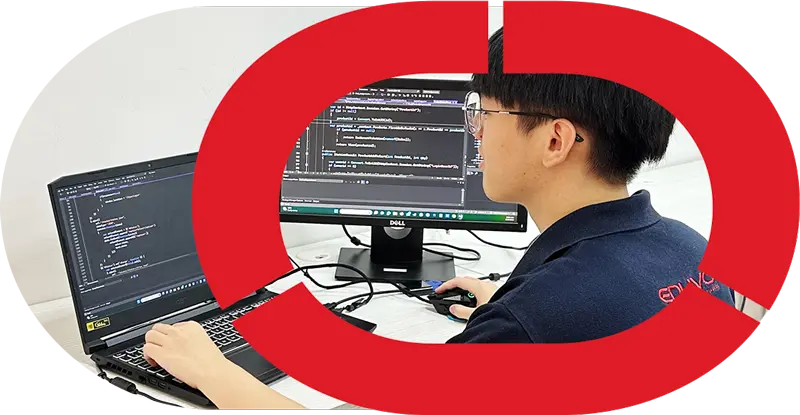
A strong reason to consider this training centre is its practical setup. Instead of relying mainly on theory, learners work through hands-on training using real lab equipment, which helps them practise troubleshooting, device setup, and basic system support in a more job-relevant environment. That matters for beginners because confidence often grows faster when they can see, touch, and solve real technical tasks.
The one-year programme model also helps students who want a focused learning timeline rather than a long academic track. For parents, that can make planning easier because the student has a clearer daily routine, structured milestones, and a more defined progression path.
Action Learning and German Ausbildung-inspired training
The approach is built around Action Learning, where students learn by doing, reflecting, and improving step by step. This is supported through German Ausbildung-inspired training, which is explained further in Ausbildung Malaysia: German-Style IT Training. For students without a strong academic background, this style can feel more practical and less intimidating because progress is tied to real tasks, not only written exams.
Career-focused support
The provider also positions its pathway with career direction in mind, including options such as Professional Diploma in IT Support and Professional Diploma in Software Engineering. For students who are ready to keep progressing, this can later connect to 99% employment rate (Eduvo Academy, 2025) and over 500 graduates (Eduvo Academy, 2025), though families should always ask how those figures are measured.
If you are looking for a practical, beginner-friendly route, contact Eduvo Academy to learn more about its IT training options and JOIN US NOW.
References
- Malaysian Qualifications Agency (MQA) — Entry Requirements for Higher Education Programmes — Malaysian Qualifications Agency (MQA) — Entry Requirements for Higher Education Programmes
- Malaysian Qualifications Agency (MQA) — Qualification Equivalency Principles — Malaysian Qualifications Agency (MQA) — Qualification Equivalency Principles
- Malaysian Qualifications Agency (MQA) — APEL.A (Accreditation of Prior Experiential Learning) — Malaysian Qualifications Agency (MQA) — APEL.A (Accreditation of Prior Experiential Learning)
- Malaysian Qualifications Agency (MQA) — Malaysian Qualifications Register (MQR) — Malaysian Qualifications Agency (MQA) — Malaysian Qualifications Register (MQR)
- Malaysian Qualifications Agency (MQA) — Code of Practice for Private Higher Education Programmes (COPTPA) — Malaysian Qualifications Agency (MQA) — Code of Practice for Private Higher Education Programmes (COPTPA)


