


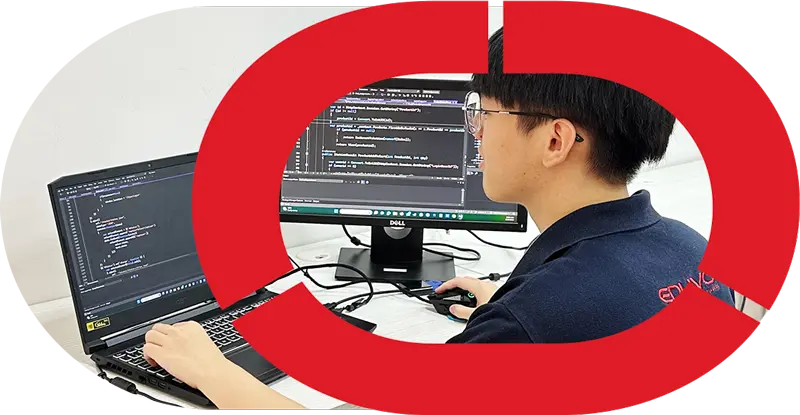


1 Year IT Diploma Malaysia: Fees, Duration and Career Path
A 1 Year IT Diploma Malaysia is a practical one-year programme designed to help students build job-ready IT skills through hands-on training, real lab equipment, and an internship pathway. At Eduvo Ac
Quick answer
A 1 Year IT Diploma Malaysia is a practical one-year programme designed to help students build job-ready IT skills through hands-on training, real lab equipment, and an internship pathway. At Eduvo Academy, it is available with no SPM requirement for eligible learners aged 16 and above, with pathways such as Professional Diploma in IT Support and progression options in IT and software fields.
Key Takeaways
- A 1-year IT diploma focuses on practical, market-aligned skills rather than only theory.
- It can suit SPM leavers, students with weak SPM results, students without SPM, and career changers.
- Fees vary by programme and study route, so it is important to ask for transparent IT diploma Malaysia fees.
- Eduvo Academy uses Action Learning, German Ausbildung-inspired training, and internship-linked pathways to support career readiness.

A 1-year IT diploma can be a sensible option for families and students who want a faster, more practical route into technology careers. This 2026 guide explains what the programme really involves, how entry routes and fees work, and how Eduvo Academy’s hands-on training helps students develop skills for IT support and software-related pathways. It also covers the difference between IT Support vs Software Engineering, plus the progression options into Professional Diploma in IT Support, Professional Diploma in Software Engineering, Professional Degree in Information Technology, and Professional Degree in Software Engineering.
1 Year IT Diploma Malaysia: Is It the Right Path for You?
Yes — for many students, a one-year IT diploma is a practical choice if they want faster entry into the tech field with job-ready skills. It is especially relevant for learners who prefer applied learning over a long academic route, including those exploring 1 Year IT Diploma Malaysia options in Kuala Lumpur and the Klang Valley.
Who this pathway is for
This pathway can suit SPM leavers, students with weak SPM results, students without SPM, and career changers who want a structured way to start in IT. It may also fit parents looking for a clearer, skills-based route for their children, especially when the student is age 16 and above and wants a more focused one-year programme instead of waiting several years before becoming employable.
It is also useful for learners who already know they prefer technical work. For example, some students are more interested in setting up devices, troubleshooting systems, or supporting users than in spending most of their time on theory. Others may want a pathway that can later lead to Professional Diploma in IT Support or Professional Diploma in Software Engineering.
What a one-year programme usually covers
A one-year IT diploma usually covers IT fundamentals, hardware, networking, operating systems, software basics, troubleshooting, and workplace communication. At the academy, the learning approach is built around Action Learning and German Ausbildung-inspired training, so students are expected to practise what they learn in a structured environment.
That means students do not only read slides or memorise concepts. They work with real lab equipment, complete guided tasks, and build confidence through applied assignments. The curriculum is market-aligned, so the content is shaped around skills that employers commonly expect in entry-level IT roles.
Depending on the track, students may also be introduced to the difference between IT Support vs Software Engineering, helping them understand whether they prefer user-facing technical support or more code-based development work.
Why practical learners choose this route
Practical learners often choose this route because it gives them a clearer sense of direction. They can learn in a smaller, more focused setting, then continue through an internship pathway and further progression options such as Professional Degree in Information Technology or Professional Degree in Software Engineering.
For families, this can feel more reassuring because the pathway is transparent, skills-based, and connected to workplace readiness. The academy also highlights outcomes such as a 99% employment rate and over 500 graduates, which shows why many students view this route as a serious starting point for an IT career.
How much do IT diploma Malaysia fees usually depend on?
In most cases, fees for a one-year IT diploma in Malaysia depend on what is included in the programme rather than just the headline price. A lower fee may look attractive, but it is important to compare lab access, certification support, internship guidance, and student services before deciding.
Main fee factors
| Column | Column |
|---|---|
| Duration | A one-year programme can cost differently from a longer route because it condenses learning into a shorter period. |
| Lab access | Courses with more real lab equipment and guided practice may have higher operational costs. |
| Certification | Some programmes include preparation for industry-recognised certifications, which can affect total value. |
| Internship support | Structured internship pathway support may be reflected in the fee structure. |
| Facilities | Learning spaces, software access, and workshop resources can influence pricing. |
| Student services | Academic support, mentoring, and career guidance may also be part of the package. |
For example, a programme such as Professional Diploma in IT Support may place more emphasis on troubleshooting, device setup, and workplace support skills, while a software-focused track may invest more in coding tools and development environments. That is why comparing the learning experience matters as much as comparing the fee itself.
If you are comparing options, ask whether the fee covers assessment, practical sessions, and use of equipment during class. Some families also want to know whether the pathway includes JPK Malaysia recognition, Skills Malaysia alignment, or a clear progression route after graduation. These details can make a meaningful difference in overall value.
What to ask before enrolling
Before you commit, ask these questions:
- What does the total fee include, and are there any extra charges for materials or assessments?
- Is the curriculum market-aligned and built around current industry needs?
- How much time is spent on hands-on training versus theory?
- What kind of internship pathway support is available?
- Are there clear entry requirements such as no SPM requirement and age 16 and above eligibility?
- How does the programme support progression to Professional Diploma in IT Support or other advanced study options?
You should also ask whether the learning setup uses real lab equipment and whether the academy offers practical guidance for students who need a more supportive start. For parents and career changers, transparency is often the most important factor: a clear fee structure, clear outcomes, and a clear route forward.
1-year IT diploma vs university diploma vs online short course: what is the difference?
A one-year IT diploma is usually the middle ground: faster than a university diploma, more structured than a short course, and more focused on job-ready skills than theory alone. For SPM leavers, students without SPM, and career changers, it can be a practical route into entry-level IT roles without spending several years in a traditional academic path.
Duration and entry requirements
| Column | 1-year IT diploma | University diploma | Online short course |
|---|---|---|---|
| Duration | About one year | Usually 2 to 3 years | A few hours to a few months |
| Entry requirements | Often flexible; some pathways accept no SPM requirement and age 16 and above | Usually stricter academic entry requirements | Usually open enrolment |
| Learning format | Structured classes, lab work, and guided assessments | Classroom-based with broader academic subjects | Self-paced videos or live sessions |
| Internship exposure | Often includes an internship pathway or work-based learning element | May include industrial training, depending on the institution | Usually none |
| Career readiness | Built for practical entry-level IT skills | Good for broader progression and academic depth | Useful for a specific skill, but limited scope |
Learning style and practical exposure

The biggest difference is how students learn. A Professional Diploma in IT Support usually focuses on core technical foundations such as computer hardware, operating systems, networking basics, troubleshooting, and workplace communication. A Professional Diploma in Software Engineering typically goes further into programming logic, coding practices, databases, and application development.
In this pathway, the academy uses hands-on training, real lab equipment, Action Learning, and German Ausbildung-inspired training to help students practise what they learn in class. That matters for students who learn better by doing, especially when they need confidence before stepping into the workplace. A university diploma may offer broader academic coverage, while an online short course often gives only one narrow skill without enough supervised practice.
Career readiness and cost considerations
For families comparing IT diploma Malaysia fees, the main question is not only price but value. A one-year programme can reduce time away from work or further study, while still giving a market-aligned curriculum and a clearer internship pathway. That makes it attractive for students who want a quicker start and for parents who want a more transparent, practical option.
Online short courses are usually the cheapest, but they may not provide the same depth, coaching, or employer-facing preparation. University diplomas can be valuable for students who want a longer academic route, but they may not suit everyone’s timeline or learning style.
For students who want a direct, practical start, this pathway can be a strong option—especially when it leads to progression into Professional Degree in Information Technology or Professional Degree in Software Engineering later on. In the Klang Valley, including Sunway Velocity Kuala Lumpur, many families choose this route because it balances speed, structure, and employability. Eduvo Academy reports a 99% employment rate and over 500 graduates, which reflects the demand for practical IT training. JPK Malaysia and Skills Malaysia alignment can also add confidence for students who want a recognised vocational path.
IT Support vs Software Engineering: which 1-year pathway suits you?
The short answer: choose IT Support if you prefer fixing, configuring, and helping people use technology day to day; choose Software Engineering if you enjoy building apps, writing code, and solving logic-heavy problems. Both are practical routes, but they suit different strengths and career goals.
Professional Diploma in IT Support
This pathway is a good fit for students who want a more service-oriented role and enjoy working with computers, devices, and systems. In a typical one-year programme, learners may study troubleshooting, operating systems, hardware setup, basic networking, user support, cybersecurity awareness, and workplace communication. The academy’s approach is usually more applied than theory-heavy, with real lab equipment and Action Learning used to build confidence through practice.
Common tasks for IT Support graduates include setting up laptops and printers, helping users reset accounts, checking network issues, and supporting office systems. These skills are useful for small businesses, schools, retail teams, and corporate helpdesk environments. Students who like clear instructions, structured problem-solving, and direct interaction with users often do well here.
Professional Diploma in Software Engineering
This pathway suits students who enjoy logical thinking, coding, and creating digital products. If you want to explore app development in a structured way, you can also look at Professional Diploma in Software Engineering. A software engineering track usually covers programming fundamentals, web development, databases, version control, testing, and project work. The learning style is still practical, but it may require more time spent on individual coding exercises and team-based development tasks.
Typical outputs include simple websites, apps, and software features built through guided projects. Students with patience, curiosity, and a willingness to debug code often find this route rewarding. It also connects well to an internship pathway, where learners can see how developers work in real teams.
How to choose based on your strengths
| Column | Column |
|---|---|
| IT Support | Software Engineering |
| Best for students who like fixing devices, helping users, and handling technical issues | Best for students who like coding, building apps, and creating digital solutions |
| Learning style: practical, service-based, and system-focused | Learning style: logic-based, project-based, and code-focused |
| Typical tasks: troubleshooting, setup, support tickets, network checks | Typical tasks: programming, testing, debugging, and feature development |
| Suitable profile: students who want a faster entry into support roles and enjoy hands-on problem solving | Suitable profile: students who want to develop software skills and are comfortable with longer coding practice |
If you are unsure, think about what feels more natural: helping people solve tech problems, or building the tools they use. Either way, the programme is designed to be market-aligned and to support progression into the next stage of study or work.
What can you do after a 1-year IT diploma in Malaysia?
A one-year IT diploma in Malaysia can lead you into entry-level tech roles, further study, or a structured internship pathway. It is designed to help you move from classroom learning into practical work readiness, especially if you want a faster start in the IT field.
Career pathways
After completing this pathway, many students look at roles that match their strengths and the skills they have practised in class and labs. Common directions include:
- IT support assistant or helpdesk trainee, where you help users solve basic device, software, and connectivity issues
- Technical support roles, especially in offices, service centres, and small businesses that need reliable first-line support
- Junior software or web development support, for students who continue building coding skills after graduation
- Network support assistant, for learners who enjoy troubleshooting routers, connections, and system access
- System administration trainee, where basic monitoring, setup, and maintenance tasks are part of the job
- Freelance or small-project support work, such as simple website updates, device setup, or basic troubleshooting for local clients
This is also where the academy’s Professional Diploma in IT Support and Professional Diploma in Software Engineering can help students choose a clearer direction based on interest and ability.
Further study options
A practical diploma does not stop you from continuing your education. It can be a stepping stone into more advanced training, especially for students who want to build stronger technical depth over time.
- Progress into a Professional Degree in Information Technology if you want to deepen your knowledge and prepare for broader IT roles
- Continue into a Professional Degree in Software Engineering if you want to strengthen your coding, systems, and project development skills
- Build toward a more specialised technical portfolio through project work, certifications, and workplace exposure
- For some learners, this route is especially helpful because it offers no SPM requirement and accepts students age 16 and above, making it accessible for different education backgrounds
Why internship experience matters
Internship exposure helps students connect what they learn with how real teams operate. It is often the point where confidence grows, because learners begin handling actual tasks, workplace communication, and professional routines.
- You learn how to apply market-aligned curriculum content in a real setting
- You gain experience using real lab equipment before stepping into workplace tools and systems
- You develop discipline through Action Learning and German Ausbildung-inspired training
- You better understand the difference between IT Support vs Software Engineering through actual tasks, not just theory
- You build a stronger profile for future applications, especially when combined with hands-on training and project evidence
Eduvo Academy has already supported over 500 graduates and reports a 99% employment rate, showing how structured training and workplace exposure can support student outcomes. If you are ready to explore a practical one-year programme in Kuala Lumpur, contact Eduvo and JOIN US NOW.
Frequently Asked Questions
Who is a 1 year IT diploma in Malaysia suitable for?
What subjects are usually covered in a 1 year IT diploma Malaysia?
How much do IT diploma Malaysia fees usually cost?
Can I continue studying after completing a 1 year IT diploma Malaysia?
Is a 1 year IT diploma Malaysia enough to start working in IT?
References
- Malaysian Qualifications Register (MQR), Malaysian Qualifications Agency — Malaysian Qualifications Register (MQR), Malaysian Qualifications Agency
- Diploma in Information Technology, Universiti Sultan Azlan Shah (USAS) — Diploma in Information Technology, Universiti Sultan Azlan Shah (USAS)
- Diploma in Information Technology, HELP University — Diploma in Information Technology, HELP University
- Diploma in Information Technology, Quest International University (QIU) — Diploma in Information Technology, Quest International University (QIU)
- Diploma in Information Technology, Open University Malaysia (OUM) — Diploma in Information Technology, Open University Malaysia (OUM)


