


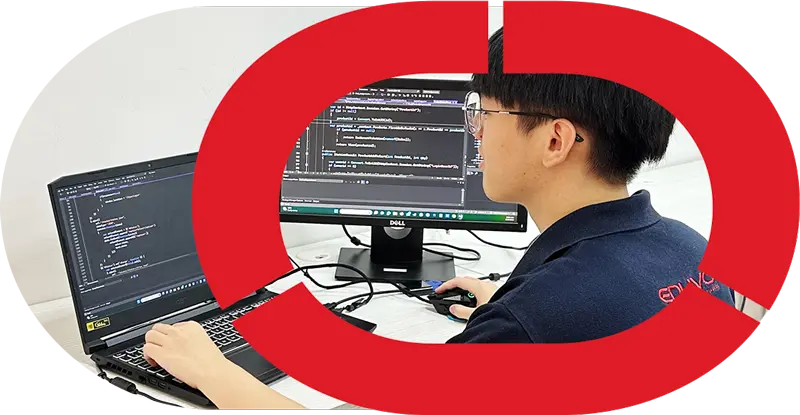


IT Course for 16 Year Old Malaysia: Can You Start Early?
IT Course for 16 Year Old Malaysia: Yes, you can start an IT course at age 16 in Malaysia through Eduvo Academy’s Professional Diploma programs tailored to early career entry into the tech industry.
Quick answer
IT Course for 16 Year Old Malaysia: Yes, you can start an IT course at age 16 in Malaysia through Eduvo Academy’s Professional Diploma programs tailored to early career entry into the tech industry.
Key Takeaways
- Eduvo Academy offers hands-on training and real lab equipment.
- Students benefit from market-aligned curriculum designed for employment readiness.
- German Ausbildung-inspired training ensures a blend of theoretical learning and practical experience.
- Unique pathways in IT Support and Software Engineering are available for 16-year-olds and above.

Eduvo Academy provides a nurturing environment where young students aged 16 and above can embark on their tech career journey. This guide highlights Eduvo’s unique programs, such as the Professional Diploma in IT Support and Professional Degree in Information Technology, which combine hands-on training with real-world experience to prepare you for success in the tech industry.
Can a 16-Year-Old Start an IT Course in Malaysia?
Yes, a 16-year-old can start an IT course in Malaysia through Eduvo Academy’s Professional Diploma programs, which cater to early career entry into the tech industry.
Early Entry into Tech
Starting an IT course at age 16 is particularly beneficial for students who are already inclined towards practical learning and hands-on experience. The academy offers a unique opportunity for young individuals to engage with cutting-edge technology and develop essential skills in hardware, networking, coding, and problem-solving from the outset of their education.
Program Details
Eduvo Academy’s Professional Diploma in IT Support is specifically designed for students aged 16 and above who are eager to begin their tech careers early. This one-year programme provides a comprehensive curriculum that includes both theoretical knowledge and hands-on training, ensuring graduates are well-prepared for the workforce. Students work with real lab equipment and participate in market-aligned projects, which help them gain practical experience relevant to current industry needs.
Hands-On Training
The academy’s commitment to practical learning is evident in its Action Learning approach, inspired by the German Ausbildung model. This method emphasizes hands-on training alongside classroom instruction, allowing students to apply their knowledge directly in a lab setting. For instance, during coding classes, students use real software development tools and frameworks to build applications, mirroring what they would encounter in professional settings.
Career Pathways
Upon completing the programme, graduates have clear pathways into IT support roles or further studies in Software Engineering. The academy’s strong relationships with local industry partners also facilitate internship opportunities, providing valuable work experience that enhances employability. With a 99% employment rate among over 500 graduates to date, Eduvo Academy stands out as a leading provider of vocational education in Malaysia.

What Should Parents Consider Before Enrolling Their Child at Age 16?
Learning Maturity
Parents should consider whether their child is ready for a vocational learning environment that emphasizes practical skills over theoretical knowledge. The programme demands a level of maturity to handle the responsibilities and challenges associated with hands-on training. For instance, students are expected to manage projects independently and work collaboratively in team settings.
- Is your child comfortable working with technology?
- Can they follow complex instructions without direct supervision?
- Are they interested in problem-solving and troubleshooting?
Course Structure and Supervision
The course structure is designed for a hands-on approach, which means that students will be engaged in real-world projects and simulations from day one. This can be both challenging and rewarding, but it requires close monitoring to ensure that each student receives the necessary support.
- The academy offers regular check-ins with mentors who provide guidance and feedback.
- Internship opportunities are supervised by industry professionals, ensuring a safe learning environment.
Facilities and Hands-on Training
The facilities at the academy include state-of-the-art labs equipped with real software development tools. Students have access to these resources from day one of their programme.
-
- This hands-on approach is crucial for developing practical skills that are directly applicable in the industry.
- Facilities are staffed by experienced technicians who provide support and ensure safety during training sessions.
Conclusion
Enrolling a 16-year-old in an IT course can be beneficial if they are ready for a fast-paced, practical learning environment. The academy’s commitment to hands-on training and real-world application prepares students for the demands of the technology industry. Professional Diploma in IT Support offers a structured pathway towards career readiness, supported by comprehensive facilities and experienced mentors.
For more information on how your child can benefit from this programme, contact Eduvo Academy today.
Eduvo Academy’s Pathways for Early Career Entry
Yes, a 16-year-old can enrol in an IT course at the academy if they are prepared to embrace practical skills-based learning. The Professional Diploma in IT Support and the Professional Diploma in Software Engineering provide structured pathways that align with industry needs, making them ideal choices for young tech enthusiasts.
Tailored Programmes
The academy offers tailored programmes designed specifically for students like those aged 16 who have a clear interest in technology but may not yet be ready to commit to university studies. These include the Professional Diploma in IT Support, which focuses on hardware troubleshooting, network configuration, and customer service skills essential for entry-level tech support roles. Similarly, the Professional Diploma in Software Engineering equips students with coding fundamentals and software development techniques necessary for a career in application or system design.
Hands-on Experience
One of the key advantages of these programmes is the extensive hands-on experience provided through real lab equipment

. Students can work on projects that mirror industry standards, from setting up network infrastructure to developing mobile applications. This practical exposure helps bridge the gap between theoretical knowledge and real-world application.
Career Readiness
Upon completion of these one-year programmes, graduates are well-positioned for immediate entry into the workforce or further academic pursuits. Over 500 students have successfully completed the programme since its inception (Source: Eduvo Academy, 2023), with a 99% employment rate within six months post-graduation. This high success rate underscores the effectiveness of the academy’s approach in preparing young professionals for their careers.
Support and Guidance
The academy also offers continuous support through mentorship programmes and career development workshops. These resources help students navigate job applications, interview preparation, and ongoing professional growth, ensuring they are fully equipped to succeed in the technology industry.
IT Support vs Software Engineering: Which Pathway is Right For You?
Choosing between the Professional Diploma in IT Support and the Professional Degree in Software Engineering can be a crucial decision for 16-year-old students interested in pursuing an early career in technology. Each pathway offers unique opportunities based on individual interests, skills, and long-term career goals.
IT Support Pathway
The Professional Diploma in IT Support is designed for individuals who enjoy troubleshooting technical issues and working with hardware and software to ensure system stability and security. Students will gain hands-on experience managing network infrastructure, configuring devices, and resolving user issues efficiently. This pathway focuses on developing comprehensive skills in problem-solving, customer service, and the ability to understand complex systems.
Software Engineering Pathway
In contrast, the Professional Degree in Software Engineering is ideal for students who are passionate about coding, designing software applications, and creating innovative solutions through programming languages like Java or Python. The curriculum emphasizes both theoretical foundations and practical application, allowing learners to develop robust software products from conception to deployment. This pathway prepares students for roles such as software developers, web designers, and system analysts.
| **Key Focus Areas** | **IT Support Pathway** | **Software Engineering Pathway** |
|---|---|---|
| Primary Skills Developed | Problem-solving, customer service, networking knowledge | Programming languages (Java, Python), software design principles, project management |
| Career Opportunities | IT support specialist, network administrator, help desk technician | Software developer, web designer, system analyst |
| Industry Alignment | Primarily aligned with companies needing technical maintenance and troubleshooting services | Aligned with tech firms requiring innovative software solutions for client needs |
The choice between these two pathways should be based on a student’s specific interests and career aspirations. Both programmes offer market-aligned curriculums that prepare students to enter the workforce equipped with relevant skills and knowledge.
For further details or inquiries, contact Eduvo Academy today. JOIN US NOW
Starting Early vs Traditional Post-SPM Pathways
Yes, a 16-year-old can start an IT course in Malaysia through the academy's programmes that cater to students aged 16 and above. This early entry option offers several distinct advantages over traditional post-SPM pathways.
Duration and Entry Requirements
- Duration: The academy’s one-year programme allows students to enter the workforce faster compared to a two-year diploma or three-year degree at universities.
- Entry Requirements: Unlike conventional SPM requirements, the academy accepts students without SPM results if they demonstrate readiness for practical skills-based learning.
Learning Style and Practical Exposure
- Learning Style: The programme emphasizes hands-on training in real lab environments equipped with industry-standard tools and software. Students engage in Action Learning, which integrates theoretical knowledge with real-world problem-solving.
- Practical Exposure: Through internships and projects, students gain practical experience directly applicable to their future careers.
Confidence Building and Career Readiness
- Confidence Building: Early exposure to professional environments helps build confidence and competence, preparing young individuals for the challenges of a technology-driven career.
- Career Readiness: The market-aligned curriculum ensures that graduates are job-ready with skills in high demand by employers.

Conclusion
Whether you’re leaning towards a technical support role or aiming to develop innovative software solutions, starting your IT education early through the academy’s programmes can provide a solid foundation and a head start on your career path. For more information or to take the next step in your educational journey, JOIN US NOW.
Frequently Asked Questions
Can a 16-year-old start an IT course in Malaysia?
What kind of training does Eduvo Academy offer for young students?
Why is it beneficial to start an IT course early in Malaysia?
Are there specific pathways available for 16-year-olds at Eduvo Academy?
How does Eduvo Academy ensure students are job-ready after completing their courses?
References
- Malaysian Digital Economy Corporation (MDEC) — Malaysian Digital Economy Corporation (MDEC)
- Malaysia Education Blueprint 2013-2025: Secondary School Level — Malaysia Education Blueprint 2013-2025: Secondary School Level
- Malaysian Examination Council (MDEC) Sijil Pelajaran Malaysia (SPM) Syllabus for Information and Communication Technology (ICT) — Malaysian Examination Council (MDEC) Sijil Pelajaran Malaysia (SPM) Syllabus for Information and Communication Technology (ICT)


