


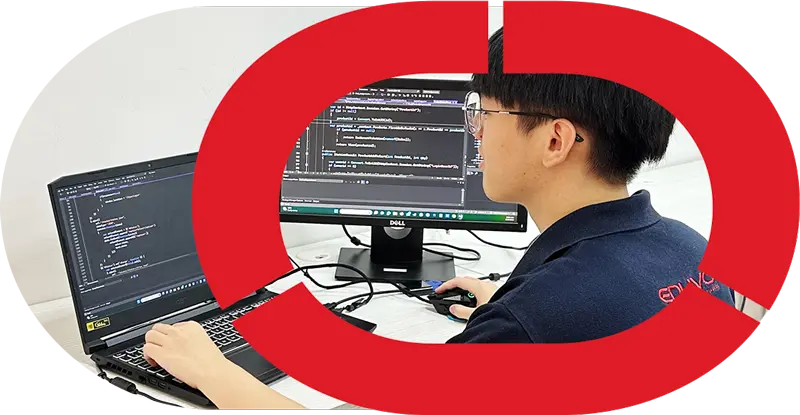


Best Course for Weak SPM Students in Malaysia: How to Choose
The best course for weak SPM students Malaysia is one that matches the student’s strengths, offers a no SPM requirement or flexible entry route, and provides practical support for real career growth.
Quick answer
The best course for weak SPM students Malaysia is one that matches the student’s strengths, offers a no SPM requirement or flexible entry route, and provides practical support for real career growth. For many students, Eduvo Academy’s one-year programme in IT Support or Software Engineering can be a suitable choice because it includes hands-on training, real lab equipment, Action Learning, and an internship pathway.
Key Takeaways
- Choose a course based on interest, learning style, and support, not prestige alone.
- Look for no SPM requirement, age 16 and above, and a clear entry pathway.
- Practical options like IT Support and Software Engineering can suit different strengths.
- Eduvo Academy offers German Ausbildung-inspired training with hands-on learning and career-focused preparation.

Choosing a post-SPM course can feel stressful for students and parents, especially when SPM results are not strong. This guide explains how to compare options in a practical, parent-friendly way, focusing on interest, learning style, entry requirements, support, and realistic career pathways. You will also see why Eduvo Academy may be a suitable option for students who want structured, hands-on training in IT Support or Software Engineering.
What is the best course for weak SPM students in Malaysia?
The best course for weak SPM students Malaysia is usually the one that matches the student’s strengths, learning style, and career interest while also offering an entry route they can meet. In many cases, a practical pathway such as Professional Diploma in IT Support or Professional Diploma in Software Engineering can be a good fit for students who prefer applied learning over exam-heavy study.
The best course depends on fit, not reputation
There is no single “best” option for every student. A student who enjoys fixing devices, solving technical problems, and helping others may do well in IT Support, while someone who likes logic, coding, and building digital solutions may prefer Software Engineering. Other students may be better suited to business, design, hospitality, or short skills-based courses, depending on whether they like communication, creativity, service, or structured routines.
For families comparing weak SPM students course Malaysia options, the key questions are simple: Can the student enter the programme? Does the course match how they learn? Is there a clear pathway to build skills step by step? For example, some pathways accept students with a no SPM requirement and age 16 and above, which can make planning easier for parents who want a realistic next step.
If you want a broader view of practical post-SPM pathways, this TVET IT course Malaysia: Complete 2026 Guide can help explain how TVET options are structured and how they differ from more academic routes.
Why practical learning matters after poor results
Students who did not perform well in SPM often benefit from courses that show progress in real tasks, not just test scores. Practical learning can help them stay engaged because they can see what they are building, repairing, designing, or presenting. That is why TVET and vocational programmes are often considered strong options for students who need a more applied environment.
At Eduvo Academy, the one-year programme is built around hands-on training, real lab equipment, Action Learning, German Ausbildung-inspired training, and an internship pathway. This style can suit students who learn better by doing, especially when they need structure, guidance, and regular feedback. The provider also states a 99% employment rate and over 500 graduates, which may reassure parents looking for a structured, career-focused route.
For students interested in technology, IT Support and Software Engineering can be especially relevant because these areas combine practical problem-solving with industry-relevant skills. The right choice is not about labels or prestige; it is about finding a course the student can complete confidently and use as a foundation for the next stage of growth.
If you would like help comparing entry routes or course fit, contact Eduvo Academy and ask about the programme that matches your child’s strengths and goals. JOIN US NOW
Which course suits a weak SPM student best: IT, TVET, business, design, hospitality, or short courses?
The most suitable pathway is usually the one that matches the student’s strengths, learning style, and entry eligibility. For many families, that means a course with clear structure, practical tasks, and a realistic route into work or further study.
High-level comparison of common pathways
| Column | Column |
|---|---|
| IT / TVET | Best for students who like computers, troubleshooting, digital tools, or building things step by step. Usually practical, skill-based, and easier to understand when lessons are shown in real examples. |
| Business | Better for students who are comfortable with communication, selling, organising, and basic maths. Often more theory-based than IT or vocational tracks. |
| Design | Suitable for creative students who enjoy drawing, visuals, editing, or content creation. Progress depends on portfolio work and consistent practice. |
| Hospitality | A good fit for students who are service-minded, disciplined, and comfortable with teamwork, routines, and customer interaction. |
| Short courses | Useful for students who want to test an interest first, improve one skill quickly, or build confidence before choosing a longer pathway. |
For entry considerations, families should also look at whether the programme has a no SPM requirement, accepts students age 16 and above, and offers a clear progression plan. In the provider’s case, the one-year programme includes IT Support and Software Engineering, which may appeal to students who want a focused and practical start.
Who each pathway may suit
IT is often a strong option for students who prefer logical tasks, devices, software, or problem-solving. A beginner-friendly route such as Software Engineering Course for Beginners Malaysia | Eduvo can help a student see whether coding and digital development feel manageable before committing longer term.
Business may suit students who are talkative, organised, and interested in sales, administration, or entrepreneurship. Design may suit students with visual creativity, patience, and interest in media or branding. Hospitality may suit students who are active, polite, and comfortable working with people in fast-moving settings.
Short courses can be helpful when a student is still unsure and needs a low-risk way to explore options. For parents, the main question is not which field sounds most impressive, but which one the student can complete with confidence and use as a stepping stone.
In practical terms, compare options by learning style, entry barrier, practical focus, and career direction. That simple filter often makes the choice much clearer for weak SPM students course Malaysia searches, especially when the goal is to find a realistic and encouraging next step.
For families who want to speak with a supportive provider about fit, contact Eduvo Academy and ask about the right pathway for your child. JOIN US NOW
IT Support vs Software Engineering: which is better for weak SPM students?
The better choice is usually the one that matches the student’s strengths, interests, and readiness for practical learning. For many families, IT Support is the easier starting point, while Software Engineering can be a better fit for students who enjoy logic, problem-solving, and building things step by step.
How IT Support differs from Software Engineering
IT Support is more about helping people use devices, systems, and networks smoothly. Students may learn basic troubleshooting, hardware setup, software installation, user support, and simple networking. Software Engineering focuses more on writing code, building applications, testing features, and understanding how digital products are designed and improved.
| Column | Column |
|---|---|
| IT Support | Software Engineering |
| Workload is usually more practical and task-based | Workload can be more concept-heavy and code-focused |
| Skills include troubleshooting, communication, and system setup | Skills include coding logic, debugging, and application development |
| Tools may include laptops, routers, operating systems, and support software | Tools may include programming environments, development tools, and testing platforms |
| Beginner suitability is often stronger for students who want a clear, hands-on start | Beginner suitability is stronger for students who are ready to spend more time on technical problem-solving |
For parents comparing a weak SPM students course Malaysia option, the key question is whether the student prefers helping users and solving practical issues, or whether they are curious about coding and digital creation. Both can be valid paths, but they demand different kinds of patience and confidence.
A structured pathway such as Professional Diploma in IT Support can be a good entry point for students who want a one-year programme with real lab equipment, Action Learning, and an internship pathway. If the student later develops stronger interest in development work, they can continue into Professional Diploma in Software Engineering through the provider’s German Ausbildung-inspired training model. Eduvo Academy also offers no SPM requirement for eligible learners age 16 and above, which makes the entry process more accessible for families exploring TVET options.
For readers who want a practical role overview, How to Become an IT Technician in Malaysia: 2026 Guide is a useful next step. The provider reports a 99% employment rate and over 500 graduates, but families should still ask questions, visit if possible, and compare course content carefully before deciding.
Which one is more suitable for beginners
If the student is unsure, IT Support is often the safer first choice because it gives faster exposure to real workplace tasks. If the student already enjoys coding exercises, logic puzzles, or building digital projects, Software Engineering may be the better long-term fit.
What should parents check before choosing a course after poor SPM results?
The right course is the one that fits the student’s interests, learning style, and entry requirements. Parents should focus on practical fit first, then look at travel distance, programme length, and the support offered by the training centre.
Interest and learning style
Start by asking what the student actually enjoys doing. A learner who likes fixing devices, organising systems, or working with computers may do well in IT Support, while someone who prefers building logic-based projects may suit Software Engineering. For broader comparison, parents can also look at business, design, hospitality, and short skills courses to see which environment feels more natural for the student.
A simple way to decide is to ask: does the student learn better by doing, by listening, or by mixing both? Programmes built around Action Learning and practical tasks may suit students who struggle with long theory-only classes. If you want a fuller comparison of post-SPM options, Best IT Course After SPM in Malaysia (2026 Guide) can help frame the decision.
- List the student’s top 3 interests.
- Match each interest to a course type.
- Check whether the course uses practical learning, projects, or classroom-only teaching.
- Shortlist the option that feels realistic and motivating.
Transport, duration, and support environment
Parents should also check how easy it is to attend classes consistently. A course may look attractive on paper, but if the travel time is too long, attendance and focus can suffer. Ask how far the centre is from home, whether public transport is available, and whether the schedule fits family routines.
Duration matters too. A one-year programme can be useful for students who want a clear, structured pathway without spending too long in entry-level study. For example, Professional Diploma in IT Support is designed as an accessible route for learners age 16 and above, with no SPM requirement for eligible applicants at Eduvo Academy. Families should also ask about the support environment: class size, mentoring, attendance follow-up, and whether the provider explains expectations clearly.
Internship pathway and career outcome
Parents should not ask only, “What will the student study?” They should also ask, “What happens after the course?” Check whether the programme includes internship exposure, workplace-based learning, or a clear transition to the next level. A course that includes real lab equipment, internship pathway, and German Ausbildung-inspired training can give students a more practical view of working life.
It also helps to ask for outcomes in context. The provider reports a 99% employment rate and over 500 graduates, but families should still review the curriculum, speak to the team, and see whether the pathway matches the student’s strengths and goals before deciding to JOIN US NOW.
Frequently Asked Questions
Can a student with weak SPM results still succeed after school?
What should parents look at first?
Is IT the only option for weak SPM students?
What makes a course practical and useful?
What if the student is unsure what to choose?
References
- Kementerian Pendidikan Malaysia — Bahagian Pendidikan dan Latihan Teknikal Vokasional (BPLTV) — Kementerian Pendidikan Malaysia — Bahagian Pendidikan dan Latihan Teknikal Vokasional (BPLTV)
- Kementerian Pendidikan Malaysia — TVET KPM — Kementerian Pendidikan Malaysia — TVET KPM
- Malaysian Qualifications Agency (MQA) — Malaysian Qualifications Framework (MQF) 2nd Edition — Malaysian Qualifications Agency (MQA) — Malaysian Qualifications Framework (MQF) 2nd Edition
- Malaysian Qualifications Agency (MQA) — APEL.A (Accreditation of Prior Experiential Learning for Access) — Malaysian Qualifications Agency (MQA) — APEL.A (Accreditation of Prior Experiential Learning for Access)
- Kementerian Pendidikan Malaysia — Syarat Kemasukan ke Tingkatan 6 — Kementerian Pendidikan Malaysia — Syarat Kemasukan ke Tingkatan 6


