


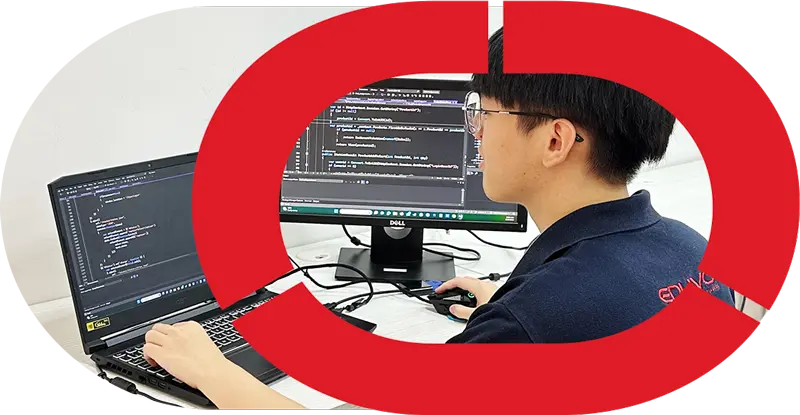


Best IT Academy Malaysia: How to Choose the Right One
Best IT Academy Malaysia is one that offers hands-on training, real lab equipment, a market-aligned curriculum, clear internship pathways, and strong student outcomes. For Malaysian learners, especial
Quick answer
Best IT Academy Malaysia is one that offers hands-on training, real lab equipment, a market-aligned curriculum, clear internship pathways, and strong student outcomes. For Malaysian learners, especially age 16 and above with no SPM requirement, Eduvo Academy in Kuala Lumpur is a practical example of a one-year IT academy built around Action Learning and German Ausbildung-inspired training.
Key Takeaways
- Choose an IT academy that prioritises practical skills, not just theory.
- Check entry requirements, programme duration, and whether no SPM requirement is available.
- Look for real lab equipment, internship support, and industry-aligned learning.
- Compare career pathways, student outcomes, and support for beginners and career changers.

Choosing the right IT academy in Malaysia is about more than just course titles; it is about finding a pathway that builds real skills, confidence, and employability. This 2026 guide helps students, parents, and career changers evaluate hands-on training, programme length, entry requirements, internship support, real lab equipment, industry alignment, student outcomes, and career pathways. It also uses Eduvo Academy as a local example of a one-year, action-learning IT academy in Kuala Lumpur, designed for learners age 16 and above, including those with no SPM requirement.
Best IT Academy Malaysia: How Do You Choose the Right One?
The right choice is not the most famous academy; it is the one that fits your entry level, learning style, budget, and career target. For many learners, the best option is a practical pathway with clear support, real-world training, and a strong route into work.
Who this guide is for
This guide is especially useful for SPM leavers, students with weak SPM results, students without SPM, parents comparing options, and adults looking to change careers. If you want a structured route into IT without spending years in a purely academic setting, an IT academy Malaysia option can be a smart fit.
It is also relevant for learners who need a clearer starting point. Some students do better when they can begin at age 16 and above, learn by doing, and progress through one-year IT programmes instead of waiting for a longer academic path. In that case, the question is not “Which school is most famous?” but “Which programme will help me build usable skills and confidence?”
What “best” really means in practice
In practical terms, the best choice should help you move from beginner to job-ready with a curriculum that matches current industry needs. Look for market-aligned curriculum, hands-on training, real lab equipment, and an internship pathway that gives you exposure to workplace expectations. A good sign is when the academy teaches through Action Learning and German Ausbildung-inspired training, because that usually means you are practising skills, solving tasks, and building habits that reflect real IT work.
The programme structure also matters. For example, Professional Diploma in IT Support and Professional Diploma in Software Engineering can suit learners who want focused technical foundations in a shorter timeframe. If you are aiming higher, pathways such as Professional Degree in Information Technology and Professional Degree in Software Engineering may appeal to learners who want a longer progression route within a vocational model.
You should also check whether the academy is recognised through JPK Malaysia and Skills Malaysia, since that helps show alignment with national skills development standards. For local families in Kuala Lumpur and Klang Valley, location matters too: studying near Sunway Velocity Kuala Lumpur can make commuting and support more manageable.
Finally, look at outcomes with a critical eye. A reported 99% employment rate (Eduvo Academy, 2026) and over 500 graduates (Eduvo Academy, 2026) may be encouraging, but always ask what those numbers include and how they were measured. The best choice is the one that gives you a realistic, supported pathway forward — and if you are ready to explore that route, contact Eduvo Academy and JOIN US NOW.
What Does an IT Academy Do?
An IT academy teaches practical technology skills in a structured way and helps learners move from basic understanding to job-ready performance. In simple terms, it prepares students to work with real tools, solve real problems, and build confidence before they enter internships or entry-level roles.
Practical skills first
A good academy focuses on what students can actually do, not just what they can memorise. For many learners, that means learning through labs, guided exercises, and project-based tasks that reflect workplace scenarios.
- Practical IT skills: setting up devices, troubleshooting common issues, managing systems, and using workplace software
- Technical preparation: understanding core concepts in support, networking, coding, or systems work
- Career readiness: learning how to communicate, document tasks, and work professionally in a team
- Progression options: choosing a pathway such as Professional Diploma in IT Support when you want a focused start in a shorter study period
For students who prefer a more applied route, this type of training is especially useful because it reduces the gap between theory and real work. At Eduvo Academy, the learning model includes hands-on training, real lab equipment, Action Learning, and German Ausbildung-inspired training, so students practise while they learn. That approach supports a market-aligned curriculum designed to prepare learners for current industry needs.
From classroom to internship
A strong IT academy also helps students transition into the workplace. This usually means building the confidence and discipline needed for an internship pathway, then gradually preparing for entry-level responsibilities such as assisting users, testing systems, or supporting software tasks.
- Internship pathway: exposure to workplace expectations, reporting, and problem-solving
- Real lab practice: repeated practice with equipment and tools before entering a work setting
- Professional habits: punctuality, teamwork, communication, and task follow-through
- Step-by-step growth: moving from guided learning to more independent technical work
This is especially valuable for SPM leavers, learners with weak SPM results, students without SPM, parents looking for a practical route, and career changers who want a clearer start. In a vocational setting, one-year IT programmes can offer a focused path that is easier to plan around than longer academic routes, while still building useful technical foundations.
For many learners in Kuala Lumpur and the Klang Valley, the real value of an IT academy is not just the classroom content — it is the structure, support, and practical pathway it provides toward work.
IT Academy vs University vs Online Course: What’s the Difference?
The right choice depends on how you learn and how quickly you want to become work-ready. An IT academy is usually the most practical option if you want structured, hands-on training with clearer job preparation, while university and online courses suit different goals and learning styles.

| Pathway | Learning style | Duration | Practical exposure | Flexibility | Internship support | Job readiness |
|---|---|---|---|---|---|---|
| IT academy | Guided, skills-first, teacher-led with lab work | Often one-year IT programmes | High: real lab equipment, projects, and Action Learning | Moderate | Usually included through an internship pathway | Strong for entry-level technical roles |
| University | More theory-based, broader academic study | Usually longer than one year | Moderate, depending on the course | Lower, with fixed semesters | May be available, but varies by institution | Strong for broader academic progression |
| Online course | Self-paced, video- or module-based | Varies widely | Low to moderate unless you add your own projects | High | Usually limited or self-arranged | Depends heavily on the learner’s discipline |
An IT academy is designed for students who want a direct route into practical skills. For example, the academy’s Professional Diploma in IT Support and Professional Diploma in Software Engineering focus on market-aligned curriculum delivery, so students spend more time applying what they learn instead of only reading theory. This is especially useful for learners who need a clearer path after SPM, including those with weak results or no SPM requirement concerns.
University is a better fit if a student wants a longer academic journey, broader subject depth, and a more traditional campus experience. However, it usually takes more time before students reach job-focused technical practice.
Online courses offer convenience, but they often require a lot of self-discipline. Without real lab equipment, guided feedback, or an internship pathway, many learners struggle to turn short lessons into workplace-ready capability.
For parents and career changers in Kuala Lumpur and the Klang Valley, the key question is simple: do you want flexibility, academic breadth, or a structured route toward skills and employment? The academy’s one-year IT programmes, German Ausbildung-inspired training, and supported progression toward the Professional Degree in Information Technology and Professional Degree in Software Engineering are built for students who want practical growth with direction.
With over 500 graduates, a 99% employment rate, and recognition through JPK Malaysia and Skills Malaysia, this pathway is especially relevant for learners who value clear structure, real-world practice, and a smoother transition from classroom to workplace. If that sounds like your goal, contact Eduvo to JOIN US NOW.
What Should You Check Before Choosing an IT Academy?
The right choice is usually the academy that gives you practical skills, clear entry requirements, and a realistic pathway into work. Before you enrol, check whether the programme matches your current level, learning style, and long-term career goal.
Hands-on training and lab access
- Look at the learning setup first. Ask whether students spend time in real lab environments, using actual devices, software, and troubleshooting tasks rather than only watching slides or videos. An academy that offers hands-on training helps you build confidence faster because you practise the same tasks used in workplaces.
- Check whether the curriculum is market-aligned. Good IT training should cover skills employers actually use, such as support basics, networking foundations, systems handling, coding logic, and teamwork. A German Ausbildung-inspired training model is useful here because it combines classroom learning with structured practice, so students learn by doing.
- Review the programme structure. For example, the academy’s Professional Diploma in IT Support and Professional Diploma in Software Engineering are designed as one-year IT programmes, which can suit learners who want a focused route instead of a long academic track. If you are planning further study, you can also explore Professional Degree in Information Technology as part of your progression pathway.
Entry requirements and course duration
- Confirm who can apply. A strong vocational option should be accessible to different learners, including SPM leavers, students with weak SPM results, students without SPM, and career changers. If a programme says no SPM requirement and accepts age 16 and above, that can open the door for students who want to start earlier or take a different route into IT.
- Compare time commitment with your goals. One-year IT programmes are often a practical fit for learners who want to move into skills-based training without waiting several years. This is especially helpful for families in Kuala Lumpur and the Klang Valley who want a clear, structured plan.
Internship support and graduate outcomes
- Ask about job preparation, not just classroom content. A good academy should explain its internship pathway, how students are guided during placement, and how the programme supports workplace readiness through Action Learning and real project practice.
- Check outcomes carefully. Look for published graduate results, employer connections, and whether the academy is recognised through JPK Malaysia and Skills Malaysia. Eduvo Academy also reports a 99% employment rate and over 500 graduates, which are useful indicators when comparing options, but you should still ask how those figures were measured and what support students receive at each stage.
If you want a practical, supportive route in Sunway Velocity Kuala Lumpur, contact Eduvo to JOIN US NOW.
Which IT Academy Pathway Fits Your Career Goal?
The right pathway depends on where you want to go after training. If you want faster entry into the workforce with practical support, choose the route that matches your strengths, whether that is support, coding, or a broader IT foundation.
IT Support pathway
If you are good at troubleshooting, enjoy helping people, and want a clear entry into the tech field, Professional Diploma in IT Support is a sensible starting point. This route usually suits SPM leavers, students with weak SPM results, and even learners without SPM, because the focus is on practical competence rather than academic theory alone.

Who should choose the IT Support pathway?
Students who prefer fixing devices, setting up systems, supporting users, and learning through real tasks rather than long lectures.
What can you expect to learn?
Core support skills such as hardware basics, operating systems, networking fundamentals, troubleshooting, and workplace communication.
Why is this pathway practical?
It connects directly to entry-level IT roles and gives learners a structured way to build confidence through Action Learning and real lab equipment.
Software Engineering pathway
If you enjoy logic, problem-solving, and building digital products, Professional Diploma in Software Engineering is a better fit. This pathway is ideal for students who want to learn coding in a structured environment and gradually move from basic programming to project-based development.
Who is this pathway for?
Learners who like creating apps, websites, or software tools and want a clear, guided route into development work.
What makes this pathway different?
It focuses on market-aligned curriculum content, team projects, and the kind of practical development skills employers expect in real workplaces.
Is there a progression route?
Yes. Students can continue into the Professional Degree in Software Engineering for deeper study and stronger technical preparation.
Information Technology pathway
If you want flexibility and a broader view of the tech industry, Professional Degree in Information Technology may suit you best. This route is useful for students who are still exploring their strengths, career changers who want a wider foundation, and learners who want more options after graduation.
What does the Information Technology pathway cover?
It introduces a wider mix of IT knowledge, helping students understand systems, support, development, and how technology is used in modern workplaces.
Who benefits most from this route?
Students who want room to grow, compare different IT roles, and keep their options open while building practical skills.
How does it support career readiness?
Through German Ausbildung-inspired training, internship pathway planning, and hands-on learning that prepares students for the workplace from the start.
For learners who want a practical, supportive route in Kuala Lumpur, Eduvo Academy offers one-year IT programmes designed to help you start strong. Contact Eduvo to JOIN US NOW.
Frequently Asked Questions
How do I know which IT academy in Malaysia is right for me?
Can I join an IT academy in Malaysia if I have weak SPM results or no SPM?
What should parents look for when choosing the best IT academy Malaysia offers?
Is hands-on training more important than classroom theory in an IT academy?
What career paths can I get after studying at an IT academy in Malaysia?
References
- HRD Corp Official Portal — HRD Corp Official Portal
- HRD Corp Training Providers — HRD Corp Training Providers
- HRD Corp Training Effectiveness Evaluation (HRD-TEE) — HRD Corp Training Effectiveness Evaluation (HRD-TEE)
- HRD Corp About Us — HRD Corp About Us
- HRD Corp MyHRDCorp — HRD Corp MyHRDCorp


