


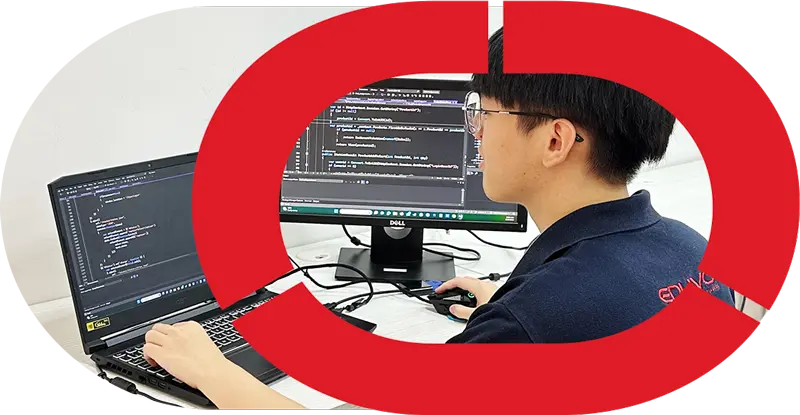


Do Employers Accept TVET IT Graduates?
Yes, employers accept TVET IT graduates when the graduate shows practical skills, a solid portfolio, good communication, and job readiness. Do employers accept TVET IT graduates? In Malaysia, many emp
Quick answer
Yes, employers accept TVET IT graduates when the graduate shows practical skills, a solid portfolio, good communication, and job readiness. Do employers accept TVET IT graduates? In Malaysia, many employers focus on what you can do, not only on paper qualifications, so internship experience, hands-on training, and professional attitude matter greatly.
Key Takeaways
- TVET IT graduate Malaysia hiring depends on skills, portfolio, and internship performance.
- TVET IT Malaysia pathways are valued when they include hands-on training and real lab equipment.
- A one-year programme can build job-ready basics for IT support or software engineering roles.
- Eduvo Academy supports employability with Action Learning, German Ausbildung-inspired training, internship pathway, and JPK Malaysia / Skills Malaysia alignment.

Many employers do consider TVET IT graduates when practical skills, internship experience, and work attitude are clear.For a Professional Diploma in IT Support or Professional Diploma in Software Engineering, employers usually look at what the graduate can do: set up systems, troubleshoot issues, use common tools, write simple code, test applications, or support users effectively. In IT Support, practical ability matters because companies need someone who can respond quickly to hardware, software, and network issues. In Software Engineering, it matters because employers want learners who can build, test, and improve real applications, not just explain theory.This is why TVET IT Malaysia pathways can be relevant to hiring. A one-year programme with real lab equipment, Action Learning, and an internship pathway can help students show evidence of competence through projects, demonstrations, and workplace experience. For families comparing options, the provider also notes a no-SPM requirement route for students age 16 and above, which can make the pathway more accessible for early career starters.That said, employer acceptance depends on the role and the company’s needs. A graduate with strong practical training may do well in entry-level IT support, junior development, testing, or technical assistant roles, while another employer may ask for a stronger portfolio or interview performance. So, acceptance is not automatic — it is earned through skill, communication, and reliability.Eduvo Academy’s pathway is positioned around German Ausbildung-inspired training and alignment with JPK Malaysia and Skills Malaysia, with a reported 99% employment rate and over 500 graduates. These figures are encouraging, but parents and students should still view them as part of a broader picture: the graduate’s own effort, workplace readiness, and fit for the job matter too.

How do employers evaluate a TVET IT graduate in Malaysia?
Yes, many employers do consider graduates from this pathway — but they usually judge them by evidence of readiness, not by the certificate alone. In practice, hiring decisions often come down to practical ability, internship performance, and how well the candidate fits the role.| Employer evaluation factor | What employers usually want to see | How a candidate can show readiness |
|---|---|---|
| Technical skills | Basic troubleshooting, system setup, coding logic, or software workflow understanding | Lab work, practical assignments, and project demonstrations |
| Portfolio | Proof of real work, not just theory | GitHub links, case studies, screenshots, or project summaries |
| Internship performance | Ability to work in a real workplace and follow instructions | Feedback from supervisors, task completion, and workplace discipline |
| Communication | Clear updates, team coordination, and customer-facing confidence | Interview responses, email writing, and simple explanations of technical issues |
| Work attitude | Reliability, willingness to learn, and punctuality | Consistent attendance, responsibility, and problem-solving behaviour |
Employer evaluation factorTechnical skills
What employers usually want to seeBasic troubleshooting, system setup, coding logic, or software workflow understanding
How a candidate can show readinessLab work, practical assignments, and project demonstrations
Employer evaluation factorPortfolio
What employers usually want to seeProof of real work, not just theory
How a candidate can show readinessGitHub links, case studies, screenshots, or project summaries
Employer evaluation factorInternship performance
What employers usually want to seeAbility to work in a real workplace and follow instructions
How a candidate can show readinessFeedback from supervisors, task completion, and workplace discipline
Employer evaluation factorCommunication
What employers usually want to seeClear updates, team coordination, and customer-facing confidence
How a candidate can show readinessInterview responses, email writing, and simple explanations of technical issues
Employer evaluation factorWork attitude
What employers usually want to seeReliability, willingness to learn, and punctuality
How a candidate can show readinessConsistent attendance, responsibility, and problem-solving behaviour
Skills and portfolio
Employers in IT often want to know whether a candidate can actually do the job. For entry-level support roles, that may mean setting up devices, handling tickets, or diagnosing common issues. For software roles, it may mean writing basic code, understanding debugging, or working through a small application project. A strong portfolio helps because it shows what the graduate has built, fixed, or tested. A one-year programme such as Professional Diploma in IT Support or Professional Diploma in Software Engineering can be more convincing when the student can point to practical outputs from lab sessions and projects.Internship performance
Internship experience is one of the clearest signals that a candidate can adapt to a workplace. Employers may look at whether the student followed instructions, met deadlines, asked questions appropriately, and handled feedback well. For families comparing options, the provider’s Eduvo Academy Internship Pathway for IT Students is relevant because internship exposure helps turn classroom learning into workplace habits. That matters whether the role is in support, testing, or junior development.Communication and attitude
Technical ability matters, but so does behaviour. Hiring teams may prefer a candidate who is punctual, respectful, and able to explain issues in simple language. This is especially important in client-facing IT Support jobs, where the graduate must calm users and solve problems clearly. In software roles, teamwork and responsiveness are just as important. A student who has trained with Action Learning, used real lab equipment, and studied through German Ausbildung-inspired training may be better prepared to show this balance in interviews.
Why practical skills matter in IT Support and Software Engineering
Yes—practical skills often matter more than theory alone in these two IT fields. Employers usually want graduates who can solve real problems, not just pass exams.IT Support roles
In IT Support, a hiring manager may ask: Can this person reset accounts, troubleshoot devices, connect printers, handle basic network issues, and explain steps clearly to a user? These are everyday tasks, so a graduate who has practised on real lab equipment is often easier to trust in a junior support role.For a Professional Diploma in IT Support, the main advantage is that students learn by doing. Instead of only reading about systems, they work with actual devices, common software tools, and fault-finding exercises. That kind of preparation helps a TVET IT graduate in Malaysia show readiness during interviews, especially when the job requires fast response, basic documentation, and calm communication with staff or customers.Employers also value people who can learn on the job. A one-year programme can be attractive because it is focused and job-relevant, especially for students aged 16 and above who want a faster path into skill-based training. For families comparing options, the no SPM requirement can also make this pathway more accessible to learners who are ready to build practical ability now rather than wait.Software Engineering roles
Software Engineering is also practical. Companies do not hire junior developers only for memorised syntax; they need people who can build, test, debug, and improve code in a team setting. A candidate with projects, code samples, and internship exposure can often explain their thinking better than someone with classroom knowledge only.This is where Professional Diploma in Software Engineering can help. With Action Learning, students are encouraged to solve problems step by step, work through real scenarios, and connect technical concepts to workplace needs. That matters because software work involves version control, bug fixing, feature changes, and communication with teammates.Practical training is also important because the field changes quickly. A student who has trained through German Ausbildung-inspired training and used real lab equipment is more likely to adapt to workplace tools and routines. In Malaysia, this is especially relevant for the TVET IT Malaysia route, where employers often look for evidence of capability, consistency, and willingness to learn.Eduvo Academy shares that its pathway has supported over 500 graduates and reports a 99% employment rate, which gives parents a clearer picture of outcomes to discuss with the provider. If you want to understand whether this route fits your child or yourself, contact Eduvo Academy to explore the programme and the internship pathway.What can improve your chances of getting hired after a TVET IT programme?
Many employers do consider graduates from a TVET IT pathway, but hiring usually depends on proof of practical ability, not just the certificate. If a candidate can show real skills, a solid portfolio, internship experience, and a professional attitude, their chances improve significantly.Hands-on learning
Practical training is one of the strongest ways to build job readiness, especially for entry-level support roles and junior development roles. In IT Support, employers often want someone who can troubleshoot devices, reset systems, set up networks, and explain solutions clearly to users. In Software Engineering, they look for people who can write basic code, debug errors, and understand how projects move from idea to testing.Professional Diploma in IT Support can be a good fit for learners who want structured practice from the start. At Eduvo Academy, the no-SPM requirement and age 16 and above entry route make it more accessible for school leavers and career changers who are ready to build skills early. The programme is a one-year programme designed to keep learning focused and practical.Internship pathway
An internship pathway can make a real difference because it helps students experience workplace expectations before they apply for full-time roles. Employers usually pay attention to how a candidate communicates, follows instructions, solves problems, and responds to feedback during placement.This is also where Professional Diploma in Software Engineering can stand out, because students can practice teamwork, version control basics, and project tasks in a more realistic setting. If you want a deeper look at entry-level support roles, this How to Become an IT Technician in Malaysia: 2026 Guide can help you plan your next step after training.
Credentials and entry route
A recognised training route can help employers understand what you have studied and how you were trained. For a TVET IT graduate Malaysia pathway, credentials backed by JPK Malaysia and aligned with Skills Malaysia can make your profile easier to review, especially when paired with evidence of real work.To improve your chances, focus on these steps:- Build practical skills through hands-on training and real lab equipment.
- Complete portfolio tasks that show what you can do, not just what you know.
- Use internship experience to collect examples of problem-solving and teamwork.
- Prepare for interviews by explaining your projects, tools, and learning process.
- Show job readiness through punctuality, communication, and a willingness to learn.
What do employers usually look for in a TVET IT graduate Malaysia candidate?
They usually look at whether the person can do the work, not just describe it. For IT Support, that may mean troubleshooting devices, setting up users, handling basic networks, and communicating clearly with end users. For Software Engineering, it may mean writing clean code, testing features, and showing projects that prove problem-solving ability.Is a one-year programme enough for entry-level IT roles?
For many junior roles, a one-year programme can be useful if it is structured well and includes Professional Diploma in IT Support or Professional Diploma in Software Engineering content, plus real practice. Employers often care more about what you can demonstrate than the length of study alone.How does the no-SPM requirement help?
A no-SPM requirement can widen access for learners who want a practical route into IT at age 16 and above. It gives students a chance to start building technical skills earlier, which can be helpful for those who prefer a hands-on learning path over a more academic route.Why is the internship pathway important?
Internship experience helps students understand workplace expectations, teamwork, time management, and how IT tasks are handled in real settings. It also gives them something concrete to discuss in interviews, which can support employer confidence.What makes practical training valuable to employers?
In IT, practical ability matters because problems are real and often urgent. A technician who can diagnose issues quickly, or a junior developer who can contribute to a working build, is often easier to place into an entry-level role than someone with only theory.What outcomes has the provider shared?
The provider states a 99% employment rate (Eduvo Academy, 2026) and over 500 graduates. That does not mean every student will have the same outcome, but it does suggest a structured pathway with a strong focus on employability.If you want a practical route into IT with Eduvo Academy, including German Ausbildung-inspired training, Action Learning, and job-focused preparation, contact the provider to learn more about the programme and how to JOIN US NOW.References
- International Labour Organization. “Employer organizations in the governance of TVET and skills systems” — International Labour Organization. “Employer organizations in the governance of TVET and skills systems”
- International Labour Organization. “Synthesis report: Skills shortages and labour migration in the field of information and communication technology in Canada, China, Germany, India, Indonesia, Singapore and Thailand” — International Labour Organization. “Synthesis report: Skills shortages and labour migration in the field of information and communication technology in Canada, China, Germany, India, Indonesia, Singapore and Thailand”
- International Labour Organization. “Employer tracer study and perception of public vocational training center (BLK) graduates” — International Labour Organization. “Employer tracer study and perception of public vocational training center (BLK) graduates”
- UNESCO. “Convention on Technical and Vocational Education” — UNESCO. “Convention on Technical and Vocational Education”
- World Bank. “World Bank Document” — World Bank. “World Bank Document”


