


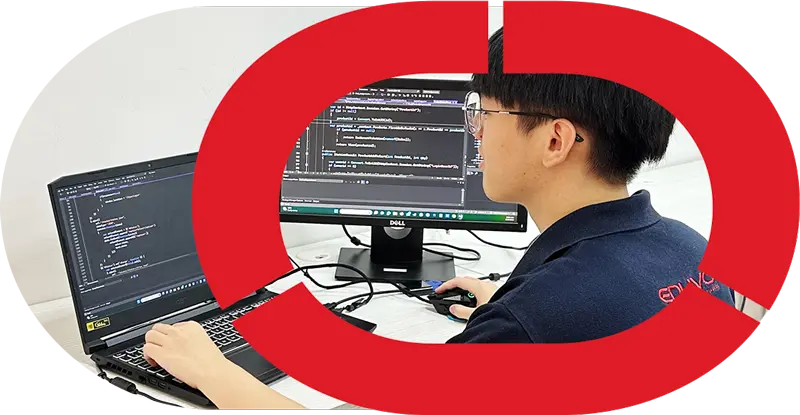


Eduvo Academy Ausbildung Approach Explained
Eduvo Academy Ausbildung Approach is an Ausbildung-inspired training model that combines structured classroom lessons, hands-on lab practice, real projects, and internship support to help learners bui
Quick answer
Eduvo Academy Ausbildung Approach is an Ausbildung-inspired training model that combines structured classroom lessons, hands-on lab practice, real projects, and internship support to help learners build practical IT skills in Malaysia. It is designed for TVET Malaysia learners, including those with no SPM requirement, age 16 and above, through a one-year programme in a supportive, career-focused environment.
Key Takeaways
- Ausbildung-inspired IT training blends theory with practical application.
- Learners gain experience through real lab equipment, Action Learning, and projects.
- The pathway supports beginners, SPM leavers, and career changers in Malaysia.
- Eduvo Academy offers market-aligned programmes in IT Support, Software Engineering, and Information Technology.

Eduvo Academy’s Ausbildung-inspired approach is designed for learners who want a clearer, more practical route into IT without the pressure of a purely academic pathway. It combines structured classroom learning, real lab practice, Action Learning, and an internship pathway so students can develop workplace-ready habits and technical confidence step by step. This model is especially relevant for parents and students comparing TVET Malaysia options, including learners with no SPM requirement or those aged 16 and above. It also supports progression through programmes such as Professional Diploma in IT Support, Professional Diploma in Software Engineering, Professional Degree in Information Technology, and Professional Degree in Software Engineering at Sunway Velocity Kuala Lumpur.
What is the Eduvo Academy Ausbildung Approach?
The Eduvo Academy Ausbildung Approach is an Ausbildung-inspired training model that combines structured classroom learning with practical workplace-style experience. In simple terms, students learn the theory first, then apply it through lab work, projects, and an internship pathway so they can build job-ready IT skills in a more guided, step-by-step way.
Simple definition for Malaysian students and parents
For Malaysian families, Ausbildung means a vocational learning model that connects education with real work practice. Instead of focusing only on exams, it helps learners understand how a skill is used in an actual workplace, which is why it fits well within TVET Malaysia and skills-based IT training.

This is especially helpful for students who want a clearer route into technology fields without waiting for a fully academic path. It also supports learners who prefer practical learning, including those exploring Ausbildung Malaysia options, no SPM requirement pathways, or entry at age 16 and above.
What Eduvo means by Ausbildung-inspired training
At its core, this approach means learners do not just listen to lectures. They work with real lab equipment, complete real projects, and practise through Action Learning, where each lesson is tied to a task, problem, or scenario they may face in an IT environment.
The provider uses this structure across programmes such as Professional Diploma in IT Support and Professional Diploma in Software Engineering, as well as Professional Degree in Information Technology and Professional Degree in Software Engineering. The goal is to help students build technical confidence, communication habits, and workplace discipline alongside their subject knowledge.
This is not a copy of the German system. It is an Ausbildung-inspired training model adapted for local learners in Kuala Lumpur, with a market-aligned curriculum that reflects current IT needs and practical workplace expectations at Sunway Velocity Kuala Lumpur.
Why this approach matters for TVET Malaysia
Many students and parents want education that feels relevant, manageable, and future-focused. This approach matters because it gives learners a clearer bridge between study and employment readiness without overpromising outcomes.
In TVET Malaysia, practical exposure is often what helps students understand whether a field is right for them. A model built around hands-on training, guided practice, and internship exposure can make learning feel more meaningful and less abstract. It also supports learners who want to grow in confidence while developing skills that employers can assess more directly.
For families comparing options, the main advantage is clarity: students know what they are learning, why it matters, and how it connects to real IT work.
How does Ausbildung-inspired training work in Malaysia?
It works by combining structured classroom learning with practical, workplace-style training so students can build IT skills in a clear, step-by-step way. At the provider, this means learners move from theory to lab work, then into projects and internship support, so the learning feels connected to real job tasks.
Classroom learning
The first stage focuses on core knowledge. Students learn the foundations of IT support, software logic, communication, and workplace habits before moving into more advanced tasks. This is especially helpful for learners who want a guided entry point into Professional Diploma in IT Support, because they can understand the “why” before they are asked to do the “how.”
A simple Ausbildung-style flow in Malaysia usually looks like this:
- Learn the theory in class using a market-aligned curriculum that reflects current IT needs.
- Apply that theory in real lab equipment sessions, where students practise troubleshooting, setup, and technical procedures.
- Complete real projects through Action Learning, so they can solve problems instead of only memorising concepts.
Workplace-style practice
This training model is designed to feel closer to the workplace than a purely lecture-based course. Students are encouraged to practise communication, teamwork, task management, and technical discipline while they work through assignments. For families comparing options, this is important because it helps students build confidence in a supported environment, not only academic knowledge.
The provider’s Ausbildung-inspired training is also suitable for learners who prefer a practical route into TVET Malaysia. It supports students aged 16 and above, and it does not require SPM, which makes the pathway more accessible to those who are ready to learn through doing. The one-year programme structure also gives students a focused timeline for skill development without a long wait before they begin practical exposure.
Internship pathway and student readiness
The final stage is internship support, where students are guided toward a workplace setting that helps them adapt to professional routines. This pathway is not a guarantee of employment, but it does help students understand expectations such as punctuality, task ownership, and reporting lines.
Students may progress into options such as Professional Diploma in Software Engineering, Professional Degree in Information Technology, or Professional Degree in Software Engineering, depending on their goals and readiness. In practical terms, the value of Ausbildung Malaysia-style learning is that it prepares students for real responsibilities through hands-on training, real projects, and guided transition support.
For parents and students who want a clearer start in skills-based IT training, this route offers structure, flexibility, and a more realistic view of workplace learning. If you are exploring the next step, see Professional Diploma in IT Support.
Ausbildung-inspired training vs traditional classroom learning
In simple terms, this approach is more practical and workplace-oriented than a theory-heavy classroom model. It helps students learn concepts and apply them in the same programme, instead of waiting until later to connect lessons with real tasks.
Learning method
The provider’s Ausbildung-inspired pathway is built around a clear rhythm: learn, practise, review, and improve. That means students do not just listen to lectures; they work through guided exercises, lab tasks, and project-based assignments that mirror how IT work is done in real settings. This is a strong fit for Professional Diploma in IT Support and other IT-focused routes where troubleshooting, documentation, and communication matter as much as technical knowledge.

| Column | Column |
|---|---|
| Ausbildung-inspired learning | Traditional classroom learning |
| Practical tasks are introduced early | Theory often comes first, with practice later |
| Students work with real lab equipment and real projects | Learning may rely more on notes, slides, and exams |
| Progress is measured through applied performance | Progress is often measured mainly through written assessment |
| Better suited to students who want job-ready skills fast | Better suited to students who prefer a more academic pace |
Skill development
For Malaysian students considering Ausbildung Malaysia options, the key difference is how skills are built over time. In a more conventional classroom, students may understand a concept but still feel unsure when asked to use it in a live scenario. In this pathway, the goal is to reduce that gap by using action learning, where each topic is tied to a practical outcome.
This matters in TVET Malaysia because employers value graduates who can follow instructions, solve problems, and adapt to tools used in the workplace. The programme also supports students who are age 16 and above and do not have an SPM requirement, making it more accessible for those who want to start building a career path earlier.
Student expectations
Students should expect a more active learning style. Instead of only preparing for exams, they are expected to participate, complete tasks, ask questions, and reflect on feedback. That can feel more demanding at first, but it also helps students develop confidence and discipline.
The one-year programme structure gives learners a focused timeline, while the internship pathway adds a workplace-style transition stage. For parents, this means the route is designed to be structured and practical, not rushed or unrealistic. It is Ausbildung-inspired training that aims to build capability step by step through a market-aligned curriculum at Sunway Velocity Kuala Lumpur.
How Eduvo applies this model in IT Support and Software Engineering
Eduvo Academy’s Ausbildung-inspired approach is applied by turning IT learning into a clear sequence of practice, feedback, and workplace-style problem solving. In simple terms, students do not just study concepts; they learn how to use them in support and development tasks that resemble real entry-level work.
Professional Diploma in IT Support
In Professional Diploma in IT Support, the focus is on helping students understand how to keep systems running, support users, and respond to common technical issues. This is where German-style vocational training becomes practical for Malaysian learners: each lesson is linked to a task they may face in a workplace setting.
- Setting up and configuring desktop and laptop systems
- Diagnosing hardware and software issues using real lab equipment
- Practising ticket-based support scenarios, such as password resets, printer errors, and network access problems
- Learning basic networking, device maintenance, and user support workflows
- Working in pairs or small teams to solve troubleshooting cases
- Documenting fixes clearly, like a support technician would in a real office
This pathway also introduces students to workplace communication, which matters when dealing with users who need calm, clear guidance. The aim is to build confidence, accuracy, and responsibility before students move into an internship pathway.
Professional Degree in Information Technology
The Professional Degree in Information Technology route broadens the learning experience by combining technical foundations with applied problem-solving. Students can explore how systems, applications, and services connect, while building a stronger understanding of how IT teams operate in real organisations. More details are available in Professional Degree in Information Technology.
- Completing real projects that require planning, testing, and presentation
- Using GitHub portfolios to show progress and version-controlled work
- Debugging simple code or system issues step by step
- Collaborating on group tasks that reflect workplace teamwork
- Applying structured feedback to improve technical and communication skills
Professional Degree in Software Engineering
In the Professional Degree in Software Engineering pathway, students move into building and improving software with a stronger emphasis on logic, code quality, and collaboration. The market-aligned curriculum supports skills-based IT training by focusing on how software is developed, tested, and refined in practical settings.
- Writing and reviewing code for class-based and team-based projects
- Testing features and fixing bugs through guided debugging sessions
- Building portfolio-ready applications for GitHub
- Simulating workplace support scenarios where requirements change and solutions must be adjusted
- Presenting project outcomes clearly, just as they would in a technical team meeting
Across these pathways, the provider uses real projects, hands-on training, and workplace-style learning to help students progress with purpose. The result is an Ausbildung-inspired training model that feels relevant, structured, and connected to the needs of TVET Malaysia learners at Sunway Velocity Kuala Lumpur.
Is Ausbildung-inspired training right for you?
Yes—if you want a structured route into IT that blends theory with practical workplace-style learning, this training style can be a strong fit. It is especially suitable for students who learn best by doing, rather than by studying theory alone.
Who benefits most
This pathway is often a good match for students who are clear about wanting a career in technology and prefer a more applied learning environment. It can suit school leavers, career starters, and parents looking for a practical option that feels focused and disciplined.
It may be the right choice if you:
- Want skills-based IT training with clear progression
- Prefer learning through projects, demonstrations, and guided practice
- Are looking for a TVET route that feels more job-relevant than purely academic
- Want an alternative that does not require a traditional SPM pathway
- Are age 16 and above and ready to commit to consistent study habits
- Value a one-year programme with a defined learning structure
For students interested in the Professional Diploma in IT Support, the pathway can be useful if you enjoy solving problems, helping others with devices, and learning how systems work in real settings. For learners aiming at the Professional Diploma in Software Engineering, it may suit those who like logic, coding, and building digital solutions step by step.
What students still need to succeed
This model is practical, but it still asks for discipline. Students should be ready to attend regularly, complete assignments on time, and accept feedback as part of growth. The training centre’s market-aligned curriculum and Action Learning style work best when learners stay consistent and open to improvement.
You do not need to be an expert at the start, but you do need curiosity, patience, and willingness to practise. A student who is active in class, asks questions, and takes responsibility for personal progress will usually benefit more from this kind of learning.
#
Frequently Asked Questions
Is this only for students who already know IT?
Will students only study in class?
Is this a degree route or a vocational route?
References
- Bundesagentur für Arbeit — Ausbildung — Bundesagentur für Arbeit — Ausbildung
- Bundesagentur für Arbeit — Eine Ausbildung in Deutschland machen — Bundesagentur für Arbeit — Eine Ausbildung in Deutschland machen
- Bundesministerium für Bildung, Familie, Senioren, Frauen und Jugend — Ausbildung — Bundesministerium für Bildung, Familie, Senioren, Frauen und Jugend — Ausbildung
- Federal Institute for Vocational Education and Training (BIBB) — The dual system — Federal Institute for Vocational Education and Training (BIBB) — The dual system
- Statistisches Bundesamt (Destatis) — Vocational training — Statistisches Bundesamt (Destatis) — Vocational training


