


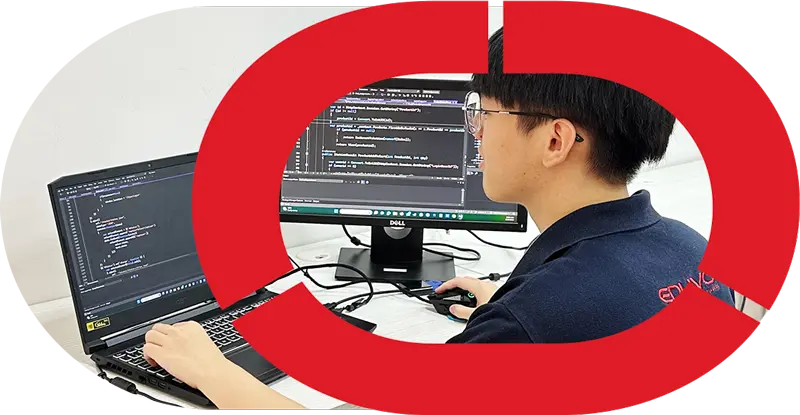


Eduvo Academy Career Outcomes: What Students Can Do After Graduation
Eduvo Academy Career Outcomes are focused on helping students build practical, entry-level IT skills for roles in IT support or software development after a one-year pathway. With hands-on training, r
Quick answer
Eduvo Academy Career Outcomes are focused on helping students build practical, entry-level IT skills for roles in IT support or software development after a one-year pathway. With hands-on training, real lab equipment, Action Learning, internship exposure, and a market-aligned curriculum, students can develop career readiness for the Malaysian tech workforce.
Key Takeaways
- Eduvo Academy offers one-year pathways in Professional Diploma in IT Support and Professional Diploma in Software Engineering.
- Students train with hands-on projects, real lab equipment, and German Ausbildung-inspired learning.
- Career outcomes may include entry-level IT support or junior software-related roles, depending on performance and readiness.
- The programme is designed for age 16 and above, with no SPM requirement for suitable applicants.

This guide explains what Eduvo Academy students can realistically do after graduation, especially for parents and learners comparing practical IT pathways in Malaysia. It covers the career outcomes of the 1-year IT Support and Software Engineering routes, the kinds of entry-level roles students may be prepared for, and how projects, lab-based learning, and internship exposure support job readiness. It also looks at how the academy’s practical approach, including Action Learning and German Ausbildung-inspired training, helps students move forward with confidence.
Eduvo Academy Career Outcomes: What Students Can Realistically Expect
Eduvo Academy Career Outcomes are best understood as entry-level preparation, not a promise of a fixed job title. Graduates can be prepared for roles such as IT support, technical support, software support, junior developer, QA, and related starter positions, depending on their pathway, skills, and employer needs.
Eduvo prepares students for entry-level IT pathways, but job outcomes still depend on individual performance and employer requirements.
What the 1-year pathway is designed to do
The one-year programme is built to help students move from learning fundamentals to showing practical readiness in a short time. The provider’s Professional Diploma in IT Support and Professional Diploma in Software Engineering are structured for learners who want focused training, practical exposure, and a clearer route into the job market.
For many students, this means building the basic workplace habits employers look for: communication, problem-solving, documentation, teamwork, and technical confidence. The curriculum is market-aligned, so the content is intended to match common entry-level expectations in Malaysia’s IT sector rather than only theory. Students also benefit from real lab equipment, Action Learning, and an internship pathway that helps them experience how IT work is handled in real settings.
This is especially relevant for:
- SPM leavers exploring a practical route
- Students with weak SPM results
- Learners without SPM
- Career changers seeking a faster, skills-based option
- Parents looking for a structured alternative to a long academic route
Why outcomes depend on skills, effort, and internship performance
The most realistic way to view Eduvo Academy graduate outcomes is that the programme opens doors, but students still need to demonstrate readiness. A learner who practices consistently, completes projects carefully, and performs well during internship exposure is usually better positioned for interviews and starter roles.
The training centre also offers pathways such as the Professional Degree in Information Technology and Professional Degree in Software Engineering, which may suit students who want to continue building depth after the one-year route. For younger learners, the no SPM requirement and age 16 and above entry point make the programme accessible, but accessibility should not be confused with automatic placement.
In practical terms, IT career outcomes Malaysia-wide often depend on:
- Technical skills shown in class and projects
- Confidence using tools and lab equipment
- Internship feedback and attendance
- Communication and professionalism
- The specific requirements of each employer
With over 500 graduates and a reported 99% employment rate (Eduvo Academy, 2024), the pathway shows strong momentum, but families should still expect individual variation. The most useful question is not “Will this guarantee a job?” but “Is this student ready to grow into an entry-level role?”
What jobs can you get after the Professional Diploma in IT Support?
Students who complete the Professional Diploma in IT Support can prepare for entry-level roles such as IT support technician, technical support officer, help desk assistant, desktop support assistant, and junior systems support. These roles are realistic starting points for a student who has built practical confidence through the programme, but the exact job offer will still depend on skills, interview performance, and employer requirements.

If you want a closer look at the pathway itself, Professional Diploma in IT Support explains how this route is structured and how it connects to career outcomes.
Common entry-level roles
| Column | Column |
|---|---|
| Role | Typical responsibilities |
| IT support technician | Set up devices, install basic software, reset accounts, and help users with common hardware or software issues. |
| Technical support officer | Respond to tickets, document problems, follow troubleshooting steps, and escalate more complex cases when needed. |
| Help desk assistant | Answer user queries, log incidents, guide users through simple fixes, and keep support records organised. |
| Desktop support assistant | Maintain workstations, check peripherals, update systems, and support day-to-day office IT needs. |
| Junior systems support | Assist with routine maintenance, monitor basic system performance, and support internal IT operations under supervision. |
| Software support assistant | Help users with application issues, reproduce bugs, and pass clear reports to the relevant team. |
For families comparing IT career outcomes Malaysia-wide, this is an important point: the goal is not to jump straight into a senior role. The pathway is designed to help learners become employable for starter positions first, then build experience from there. Eduvo Academy graduate outcomes often begin with these practical support roles before students move into more specialised tracks.
Skills employers usually expect
Employers hiring for IT Support career openings usually look for a mix of technical and workplace skills, including:
- Basic troubleshooting for laptops, desktops, printers, and network connections
- Clear communication with users who may not be technical
- Reliability, punctuality, and good attendance
- Careful note-taking and ticket updates
- Confidence working with real lab equipment and common IT tools
- A willingness to learn during internship exposure and on the job
That is why this pathway uses hands-on training, Action Learning, and German Ausbildung-inspired training to make learning more practical. The market-aligned curriculum is meant to help students practise the kinds of tasks they may later face in real workplaces.
For parents and students who want a realistic route into IT, the provider’s one-year programme, no SPM requirement, and age 16 and above entry point can make the option accessible without lowering the need for effort. The reported 99% employment rate (Eduvo Academy, 2024) and over 500 graduates are encouraging signals, but the strongest outcomes usually come from students who stay consistent, complete their projects well, and take internship feedback seriously.
What jobs can you get after the Professional Diploma in Software Engineering?
Students who complete Professional Diploma in Software Engineering can prepare for entry-level software roles such as junior developer, software support, QA tester, and application support, depending on their skills, internship exposure, and the employer’s requirements. This is a practical route for learners who want a realistic first step into IT career outcomes Malaysia, not an overnight leap into senior development work.
Common entry-level roles
After graduation, the most common Software Engineering career outcomes are usually tied to support, testing, and junior coding tasks. For readers comparing software-focused pathways, Professional Diploma in Software Engineering is designed to help students build the foundation needed for these roles through project work and guided practice.
| Role | Typical tasks | Practical evidence employers may look for |
|---|---|---|
| Junior developer | Writing simple features, fixing bugs, updating existing code | GitHub projects, coding assignments, internship feedback |
| QA tester | Running test cases, reporting defects, checking app behaviour | Test reports, attention to detail, project documentation |
| Software support | Helping users with software issues, escalating technical problems | Communication skills, troubleshooting practice, internship exposure |
| Application support | Monitoring basic system issues, assisting with updates and user queries | Lab work, teamwork, basic debugging experience |
| Technical support | Handling software-related support tickets and simple fixes | Real lab equipment experience, ticket-style task practice |
These roles are a realistic match for students who want to enter the workforce with a market-aligned curriculum and hands-on training. For many families, the appeal is not just the job title, but the fact that the pathway can lead to practical first roles while students continue growing their technical confidence.
Portfolio and project expectations
Employers usually want proof that a student can do the work, not just talk about it. That is why a strong portfolio matters so much for Software Engineering career outcomes. A simple GitHub profile with class projects, bug fixes, small apps, and team assignments can help show coding consistency and problem-solving ability.
Students should also be ready to explain what they contributed during internship pathway exposure, especially if they worked on testing, documentation, or support tasks. In a supportive, Action Learning environment with German Ausbildung-inspired training, the goal is to help learners connect classroom knowledge with workplace expectations.
For parents and students, the main message is balanced: the programme can open doors to entry-level software and IT support career options, but outcomes still depend on effort, attendance, portfolio quality, and how well the student responds to feedback. The provider’s reported 99% employment rate (Eduvo Academy, 2024) and over 500 graduates are encouraging, but they work best as signs of opportunity, not guarantees.
How do hands-on training and internships improve employability?
Hands-on training and internship exposure make graduates more employable because they learn by doing, not just by listening. This helps students build practical confidence, workplace habits, and role-specific skills that employers can see during interviews and probation.
Action Learning in practice
Action Learning turns theory into repeatable practice. Instead of only studying concepts, students apply them in class tasks, troubleshooting exercises, team projects, and guided assessments. For example, someone on the Professional Diploma in IT Support may practise setting up devices, resolving common user issues, and documenting fixes, while a software-focused learner may work on small applications, debugging, and version-control basics through Professional Diploma in Software Engineering.
This sequence is especially helpful for students seeking IT career outcomes Malaysia employers can recognise, including technical support, software support, junior developer, QA, and related roles. It also suits learners entering through the no SPM requirement route or those aged 16 and above who need a more practical start.
German Ausbildung-inspired training
The German Ausbildung-inspired training model is valuable because it balances structured learning with workplace readiness. In this approach, students are not expected to become experts overnight. Instead, they gradually build competence through repeated practice, feedback, and exposure to real job routines.
For Eduvo Academy graduate outcomes, this matters because employers often look for more than academic knowledge. They want punctuality, teamwork, basic technical discipline, and the ability to follow instructions. A market-aligned curriculum supports this by teaching skills that reflect current entry-level expectations rather than outdated theory.
Why real lab equipment matters
Working with real lab equipment helps students understand how systems behave in practical settings. A keyboard, desktop, router, operating system, or software tool can behave differently in real life than in a textbook example. That is why lab time improves readiness for an IT Support career and a Software Engineering career.
In the provider’s reported results, 99% employment rate (Eduvo Academy, 2024) and over 500 graduates suggest strong momentum, but the real value comes from how training, practice, and internship exposure prepare students to show up ready for work. For parents and students, that is the most realistic sign of progress: better skills, better confidence, and a clearer path into entry-level roles.
Who is Eduvo Academy suitable for in Malaysia?
In short, this pathway suits Malaysians who want practical IT training with a clear entry point, especially those who prefer a structured route into work rather than a purely academic track. It is also a good fit for school leavers, career changers, and parents looking for a realistic option with strong support.
No SPM requirement and age 16 and above
This pathway is designed for learners who may not have a strong academic record, including those with no SPM requirement and age 16 and above. That makes it accessible for students who want to start building skills earlier, instead of waiting for a more traditional route. The one-year programme structure also helps learners move into training without a long delay, which can matter for families planning time and cost carefully.
For parents, school leavers, and career changers
For parents, the main appeal is practical: the training centre focuses on job-relevant learning, not just theory. For school leavers, it offers a guided start in IT Support career and Software Engineering career pathways through Professional Diploma in IT Support and Professional Diploma in Software Engineering. For career changers, it can be a sensible reset if they want market-aligned curriculum, hands-on training, real lab equipment, internship pathway, Action Learning, and German Ausbildung-inspired training in a local Malaysian setting. The provider also reports 99% employment rate (Eduvo Academy, 2024) and over 500 graduates (Eduvo Academy, 2024), which may reassure families, while still leaving room for each learner’s own effort and readiness.
Where the Professional Degree pathways fit
The Professional Degree in Information Technology and Professional Degree in Software Engineering pathways are better for learners who want to continue beyond entry-level preparation and compare longer-term study options. If you are evaluating whether to start with a one-year route or plan for broader progression, Professional Degree in Information Technology can help you compare the two directions more clearly. In practical terms, this makes the programme suitable for students who want to build skills first and then decide how far they want to go.

If you are looking for a practical, supportive start in IT, JOIN US NOW and explore how the provider’s training can help you take the next step with confidence.
Frequently Asked Questions
What jobs can Eduvo Academy students do after graduation?
Is Eduvo Academy suitable for students without SPM?
How does the Eduvo Academy Career Outcomes pathway help students become job-ready?
Can Eduvo Academy lead to software development jobs?
Who should consider Eduvo Academy for an IT course?
References
- U.S. Bureau of Labor Statistics — Occupational Outlook Handbook: Computer and Information Technology Occupations — U.S. Bureau of Labor Statistics — Occupational Outlook Handbook: Computer and Information Technology Occupations
- U.S. Bureau of Labor Statistics — Industry and Occupational Employment Projections Overview and Highlights, 2023–33 — U.S. Bureau of Labor Statistics — Industry and Occupational Employment Projections Overview and Highlights, 2023–33
- U.S. Bureau of Labor Statistics — Occupational Projections and Worker Characteristics — U.S. Bureau of Labor Statistics — Occupational Projections and Worker Characteristics
- Coursera — 2025 Learner Outcomes Report — Coursera — 2025 Learner Outcomes Report
- Coursera — Learner Outcomes Report — Coursera — Learner Outcomes Report


