


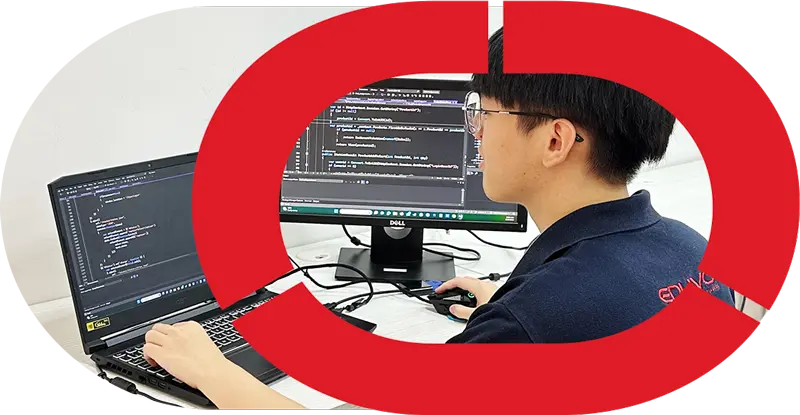


Eduvo Academy Methodology: How Hands-On IT Training Works
Eduvo Academy Methodology is Eduvo Academy’s hands-on IT training approach that combines Action Learning, German Ausbildung-inspired training, real lab equipment, and a market-aligned curriculum to he
Quick answer
Eduvo Academy Methodology is Eduvo Academy’s hands-on IT training approach that combines Action Learning, German Ausbildung-inspired training, real lab equipment, and a market-aligned curriculum to help beginners build practical skills step by step. It supports learners aged 16 and above, including those without SPM, through structured IT Support and Software Engineering pathways.
Key Takeaways
- Hands-on IT training Malaysia with real lab equipment and guided practice
- Action Learning that connects classroom learning to practical tasks
- Clear pathways in IT Support and Software Engineering, including internship exposure
- Suitable for age 16 and above, including learners without SPM and career changers

Eduvo Academy Methodology is designed to help parents and learners understand how practical IT education can build confidence, discipline, and career direction from the start. Through Eduvo Academy’s structured approach, students learn by doing, using real lab equipment, Action Learning, and a curriculum aligned with current industry needs. The programme supports both IT Support and Software Engineering pathways, with options that include a one-year programme, internship pathway, and progression into Professional Diploma in IT Support, Professional Diploma in Software Engineering, Professional Degree in Information Technology, and Professional Degree in Software Engineering.
What Is Eduvo Academy Methodology?
Eduvo Academy Methodology is a practical training approach that teaches IT through doing, not just listening. Instead of relying only on notes and theory, the provider guides students through real tasks, guided practice, and workplace-style learning so they can build usable skills from day one.
Learning by doing
This approach is built for students who learn best when they can touch, test, and solve problems themselves. In a one-year programme, learners work through step-by-step exercises that match common IT tasks, such as setting up devices, checking system issues, writing code, and understanding how software behaves in real situations.
For families comparing options, this matters because practical ability is often what students need most when entering an entry-level IT pathway. A learner may understand definitions in class, but still need repeated practice before they can confidently troubleshoot a laptop, follow a support checklist, or complete a coding task without constant help.

Action Learning and real lab exposure
The provider uses Action Learning to connect classroom instruction with active problem-solving. In simple terms, students are given tasks, asked to try solutions, and then guided to reflect on what worked and what needs improvement. This helps them build both technical skill and discipline.
Real lab equipment plays a central role. Students train with devices and tools that mirror workplace conditions, which is especially useful for hands-on IT training Malaysia families want to understand before enrolling. Rather than only reading about hardware or software, learners practise in a setting that feels closer to an actual support desk or development environment.
The market-aligned curriculum also helps keep lessons relevant to current workplace needs in Klang Valley and beyond. For parents and SPM leavers, this can make the learning journey feel more structured and purposeful, especially for those who want a clearer route into IT Support or Software Engineering.
German Ausbildung-inspired training
The methodology is also shaped by German Ausbildung-inspired training, which combines structured classroom learning with practical application. This means students do not just study concepts in isolation; they build skills in stages, supported by supervision, repetition, and real-world context.
That structure is reflected in pathways such as Professional Diploma in IT Support, Professional Diploma in Software Engineering, Professional Degree in Information Technology, and Professional Degree in Software Engineering. It also supports the internship pathway, so learners can experience workplace expectations while still in training.
For students aged 16 and above, including those with no SPM requirement, this model offers a clear and supportive starting point. It is designed to help learners grow into the IT Support pathway or Software Engineering pathway with more confidence, better habits, and a stronger understanding of how technical work is done in practice.
If you want to understand whether this approach fits your goals, contact Eduvo and ask about the programme structure, entry options, and next intake.
Why Does Practical IT Training Matter More Than Notes Alone?
Practical IT training matters because students need to be able to do the work, not just describe it. Notes can explain concepts, but real progress happens when learners practise troubleshooting, testing, building, and solving problems under guidance.
Theory vs workplace readiness
| Column | Column |
|---|---|
| Theory-heavy learning | Practical training |
| Learns concepts from slides, notes, and memorisation | Learns by applying concepts to tasks, devices, and scenarios |
| May understand definitions but struggle in real situations | Builds skill through repeated practice and feedback |
| Can feel clear in class but uncertain at work | Better prepares students for workplace routines and expectations |
| Often stops at “knowing” | Moves toward “doing” and “solving” |
This difference matters in a market-aligned curriculum because IT roles usually involve action, not recall. A learner in the Professional Diploma in IT Support may need to identify a network issue, check system settings, or follow a support process step by step. That kind of readiness comes from practice, not from reading alone.
Confidence for weaker academic students
For students who do not always perform well in exam-focused settings, practical learning can feel more approachable. Instead of depending only on written tests, they can show progress through tasks, lab work, and guided projects. That gives them a clearer sense of achievement and helps them stay engaged.
This is especially relevant for learners aged 16 and above, including those with no SPM requirement, because they may be looking for a route that values ability, discipline, and growth. A one-year programme can also help students focus on steady skill development without feeling overwhelmed by a long academic path.
Why employers value practical exposure
Employers usually want new hires who can adapt quickly, follow instructions, and handle real tasks with less supervision. Practical exposure helps students become familiar with workplace habits such as documenting work, communicating clearly, and responding to technical issues in a structured way.
For families in Klang Valley and Sunway Velocity Kuala Lumpur, this makes the training centre’s approach more relevant to local opportunities. It supports pathways such as the IT Support pathway, Software Engineering pathway, and internship pathway, while also connecting to broader options like Professional Diploma in Software Engineering, Professional Degree in Information Technology, and Professional Degree in Software Engineering.
If you are comparing study options for your child or yourself, contact Eduvo to ask how this training model supports real skill-building, progression, and career preparation.
How Does Eduvo Academy Teach IT Support and Software Engineering?
The provider teaches both pathways through guided practice, so students learn by doing rather than only reading notes. In simple terms, the IT Support route builds troubleshooting and system maintenance skills, while the Software Engineering route develops coding and application-building skills.
IT Support pathway
The Professional Diploma in IT Support focuses on the day-to-day technical work that support staff handle in real settings. Students work with real lab equipment, learn to set up and check devices, and practise common tasks such as hardware inspection, network setup, operating system installation, and basic fault-finding.
This is where a market-aligned curriculum matters. Instead of treating support as theory alone, the programme trains students to respond to helpdesk-style situations, identify likely causes of errors, and follow step-by-step repair or escalation processes. For learners aged 16 and above, including those with no SPM requirement, this gives a structured entry point into practical IT training without needing to start from a purely academic route.
Software Engineering pathway
The Professional Diploma in Software Engineering and the related progression options focus on building software through repeated practice. Students write code, test features, fix bugs, and learn how to organise work using tools such as Git and GitHub. They also practise web development, database basics, and project delivery, so they can understand how software is planned, built, and improved.
| IT Support pathway | Software Engineering pathway |
|---|---|
| Hardware checks and device setup | Coding and application development |
| Networking basics | Web development tasks |
| Troubleshooting and operating systems | Databases and data handling |
| Helpdesk-style scenarios | Debugging and version control |
| Real lab equipment | Software projects and feature builds |
Instructor guidance and project practice
The teaching style follows an Action Learning approach and German Ausbildung-inspired training, where instructors guide students through tasks, then let them apply the same skills again in practical exercises. This supports steady progress over the one-year programme, especially for students who learn best through repetition and clear feedback.

For the internship pathway and progression routes such as Professional Degree in Information Technology and Professional Degree in Software Engineering, project practice helps students show what they can do in a more workplace-style environment. In the Sunway Velocity Kuala Lumpur setting, this also makes the learning experience more relevant for families in Klang Valley who want contact with Eduvo and a clearer picture of how the training centre prepares students for next steps.
Which One-Year Programme Fits Your Path?
The right one-year programme depends on whether you want to start with support roles, build software skills, or continue toward a higher-level IT route. This provider’s pathway is designed so students can choose a clearer direction based on interest, confidence level, and long-term study plans.
Professional Diploma in IT Support
Professional Diploma in IT Support suits students who prefer systems, devices, user support, and troubleshooting. It is a practical starting point for learners who want structured exposure to everyday IT tasks without needing a strong coding background at the beginning.
Professional Diploma in Software Engineering
Professional Diploma in Software Engineering is for students who enjoy logic, coding, and building digital solutions. It is a better fit for learners who want to spend more time on programming tasks, web or application development, and project-based problem solving.
Professional Degree in Information Technology
The Professional Degree in Information Technology pathway is suitable for students who want a broader IT foundation and a more advanced progression route after the one-year programme. It is also a good option for families comparing study paths and wanting a clearer next step beyond entry-level training. You can review the pathway details here: Professional Degree in Information Technology.
Professional Degree in Software Engineering
The Professional Degree in Software Engineering pathway is aimed at students who want to continue building technical depth in software-focused study. It works well for learners who already know they prefer development, systems thinking, and structured project work.
In simple terms, the choice usually comes down to interest and learning style:
- IT Support pathway — for students who like fixing, configuring, and helping users
- Software Engineering pathway — for students who prefer coding and building software
- Internship pathway — for learners who want workplace exposure as part of their growth
- Professional Degree in Information Technology — for students looking for a more advanced progression route
For parents and SPM leavers, the main question is not only “What subject do I like?” but also “What kind of work do I want to practise every week?” A market-aligned curriculum helps make that decision more concrete, especially for students age 16 and above, including those seeking no SPM requirement options. The one-year programme format also makes it easier to plan the next step without committing to a longer route too early.
If you are comparing options in Sunway Velocity Kuala Lumpur or across Klang Valley, contact Eduvo to discuss which pathway fits your goals best.
Is This Learning Style Right for Beginners, Career Changers, and Students Without SPM?
Yes — this learning style can suit beginners, career changers, and students without SPM, especially if they prefer clear structure and skill-building through practice. It is designed for learners who want to start from fundamentals and grow step by step, rather than enter a programme that assumes strong prior experience.
Who benefits most?
This approach is a good fit for three groups. First, beginners who need a guided start and want to understand how IT concepts work in real settings. Second, career changers who are looking for a practical route into a new field and may already have work discipline, but need technical training. Third, students without SPM who are ready to learn in a more applied environment and prefer a pathway that focuses on capability, not just exam history.
For these learners, the main advantage is that progress is built around doing. A Professional Diploma in IT Support may suit those who want to learn device setup, troubleshooting, user support, and basic systems work. A Professional Diploma in Software Engineering may suit students who enjoy coding, logic, and building applications. Because the curriculum is market-aligned, learners can see how each topic connects to real workplace tasks in Klang Valley and beyond.
What students must bring to succeed?
Students do not need to arrive as experts, but they do need consistency, curiosity, and a willingness to practise. Since the programme is open to learners age 16 and above, it works best for those who can commit to regular attendance, complete lab tasks, and ask questions when they are unsure.
A one-year programme still requires effort outside class. Students should be prepared to revise notes, repeat practical exercises, and improve through feedback. This matters because practical IT training is not only about watching demonstrations; it is about building confidence through repetition, problem-solving, and steady progress.
How internship pathway exposure supports growth?
The internship pathway adds workplace exposure that helps learners understand professional expectations early. It can strengthen communication, time management, and the habit of completing tasks to deadline. For many beginners, this is where classroom learning becomes more meaningful, because they can see how technical knowledge is used in an actual work environment.
This is especially useful for students who want a smoother transition from training to employment-related experience. The provider’s German Ausbildung-inspired training and Action Learning style support that transition by connecting study, practice, and workplace readiness in one flow. The Professional Degree in Information Technology and Professional Degree in Software Engineering routes also give learners a more advanced progression option after building a strong foundation.
If you are exploring a practical route in IT, contact Eduvo to discuss whether the provider’s one-year programme and pathway options fit your goals.
Frequently Asked Questions
What is Eduvo Academy Methodology in simple terms?
Why does the methodology matter when choosing an IT academy?
Is Eduvo Academy suitable for beginners with no IT background?
Can students without SPM or weak SPM results still join Eduvo Academy?
Who is Eduvo Academy Methodology best for?
References
- Edutopia — Project-Based Learning (PBL) — Edutopia — Project-Based Learning (PBL)
- Edutopia — Why Teach with Project-Based Learning?: Providing Students With a Well-Rounded Classroom Experience — Edutopia — Why Teach with Project-Based Learning?: Providing Students With a Well-Rounded Classroom Experience
- Edutopia — Integrating Technology Into PBL — Edutopia — Integrating Technology Into PBL
- AAAS S-STEM REC — Active Learning Instruction EBP Repository — AAAS S-STEM REC — Active Learning Instruction EBP Repository
- U.S. Department of Labor — Apprenticeship.gov — U.S. Department of Labor — Apprenticeship.gov


