


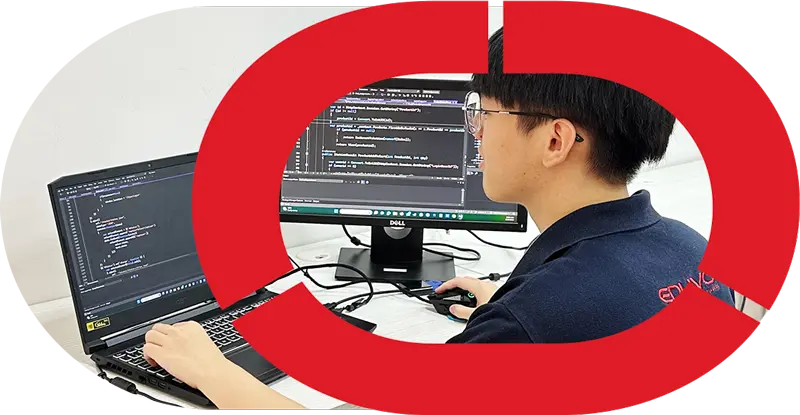


Eduvo Academy Student Projects: Why Portfolio Matters
Eduvo Academy Student Projects matter because they turn learning into proof of ability: students build practical work that shows real troubleshooting, coding, lab, and portfolio skills. For beginners,
Quick answer
Eduvo Academy Student Projects matter because they turn learning into proof of ability: students build practical work that shows real troubleshooting, coding, lab, and portfolio skills. For beginners, SPM leavers, and career changers, these projects help demonstrate readiness for internships and entry-level IT roles through visible, job-relevant evidence.
Key Takeaways
- Eduvo Academy Student Projects show practical skills, not just theory.
- A strong portfolio can include lab work, troubleshooting tasks, coding samples, and GitHub projects.
- IT Support and Software Engineering students can use project evidence to show readiness for internships and entry-level roles.
- Eduvo Academy’s Action Learning and German Ausbildung-inspired approach makes project work more hands-on and industry-relevant.

Eduvo Academy Student Projects are designed to help learners build proof of skill through hands-on training, real lab equipment, and practical assignments that reflect workplace tasks. For parents, SPM leavers, students with weak results, and career changers, this means the focus is not only on attendance or exam scores, but on what a student can actually do. This guide explains how portfolios, GitHub, troubleshooting records, and capstone-style work help learners in IT Support and Software Engineering present themselves with confidence. It also shows how the one-year programme, internship pathway, and market-aligned curriculum support students at Sunway Velocity Kuala Lumpur.
Eduvo Academy Student Projects matter because employers usually want proof of skill, not just a certificate. In practical terms, a portfolio helps students show troubleshooting logs, coding samples, GitHub portfolio links, and software engineering projects that reflect real work.
Projects show what students can actually do, not just what they have studied.
For SPM leavers, students with weak results, and beginners aged 16 and above, this is especially helpful because the provider offers a no SPM requirement entry route into a one-year programme. That means learners can start building an Eduvo Academy portfolio early, rather than waiting for a longer academic path. The pathway includes the Professional Diploma in IT Support and Professional Diploma in Software Engineering, with progression options toward the Professional Degree in Information Technology and Professional Degree in Software Engineering.
For IT Support students, portfolio pieces may include hardware setup notes, ticket-style troubleshooting records, and IT Support practical projects completed in lab sessions using real lab equipment. For Software Engineering students, useful evidence can include GitHub repositories, simple applications, debugging notes, and group builds completed through Action Learning. These projects fit a market-aligned curriculum and German Ausbildung-inspired training model, which connects classroom learning with internship pathway preparation.
This matters for parents and career changers too: the work a student can demonstrate is often easier to understand than grades alone. At Sunway Velocity Kuala Lumpur, the focus is on visible progress, hands-on training, and steady confidence-building through project-based learning.

What Is an Eduvo Academy portfolio?
An Eduvo Academy portfolio is a collection of real work that shows what a student can do in practice, not just what they have studied. For beginners, it is proof of skills, problem-solving, and progress that can be reviewed by parents, mentors, and future employers.
Simple definition for beginners
Think of it as a working record of learning. Instead of only listing subjects, the portfolio shows completed tasks, reflections, and project outcomes from the Professional Diploma in Software Engineering and the Professional Diploma in IT Support pathways. It helps turn classroom learning into something visible and easy to understand.

What a portfolio can include
A strong portfolio may contain:
- project screenshots and short explanations
- GitHub links for code-based work
- troubleshooting logs for IT Support practical projects
- system setup notes and lab checklists
- group project summaries from Action Learning
- short reflections on what was improved after feedback
For software learners, a GitHub portfolio can show version history, debugging steps, and simple applications built during the one-year programme. For support-track learners, it can show how they handled hardware checks, software installation, and real lab equipment tasks in a structured way. If you want a wider view of the pathway, see TVET IT course Malaysia: Complete 2026 Guide.
Why it helps SPM leavers and career changers
This matters especially for SPM leavers, students with weak results, and adults changing direction. A portfolio gives them a practical way to show readiness even before they reach the Professional Degree in Information Technology or the Professional Degree in Software Engineering stage. It is also useful for students entering through the no SPM requirement route, because age 16 and above learners can begin building evidence early while following a market-aligned curriculum and German Ausbildung-inspired training model.
Why do student projects matter more than certificates alone?
Student projects matter more because they show proof of ability, not just proof of attendance. A certificate tells employers you completed a programme; a portfolio shows what you can actually build, fix, document, and explain.
What employers look for
Employers usually want evidence of practical skill, clear thinking, and consistency. In IT support, that can mean a clean troubleshooting log, a device setup checklist, or a simple record of how a problem was diagnosed and solved. In software, it may mean a working app, readable code, and a GitHub portfolio that shows progress over time. Research from LinkedIn shows that 87% of recruiters use LinkedIn to evaluate candidates (LinkedIn, 2024), which makes visible project evidence especially valuable.
| Certificate-only learning | Certificate plus practical project evidence |
|---|---|
| Shows course completion | Shows what you can do in real tasks |
| May confirm theory | Demonstrates problem-solving and execution |
| Hard to judge skill depth | Easier to review through code, logs, and project files |
| Limited proof for beginners | Stronger for first-time job seekers |
How projects prove problem-solving
A good project shows how a learner responds when something does not work the first time. For example, a software project can include debugging notes, version history, and short reflections on what changed after testing. An IT support project can show hardware checks, software installation steps, and how real lab equipment was used safely and correctly. That kind of evidence is useful because it mirrors workplace tasks in a structured way.
For learners in Professional Diploma in IT Support or Professional Diploma in Software Engineering, this makes the one-year programme more than classroom study. It becomes a record of practical growth through Action Learning, hands-on training, and German Ausbildung-inspired training.
Why consistency matters
A single impressive assignment helps, but steady project work matters more. Employers and parents can see whether the learner keeps improving, follows instructions, and completes tasks reliably. That is why the provider encourages regular portfolio updates from day one, especially for students entering through the no SPM requirement route at age 16 and above. Over time, the portfolio becomes a clearer picture of readiness than a certificate alone, whether the learner is aiming for IT Support practical projects or software engineering projects in Malaysia.
IT Support vs Software Engineering: What should students include in their portfolio?
Students should include different evidence for each pathway, but both should show one thing clearly: what they can do in a real task. For Professional Diploma in IT Support, the portfolio should focus on troubleshooting, device setup, and user support; for Professional Diploma in Software Engineering, it should show coding, testing, and problem-solving through finished applications.
IT Support portfolio examples
An IT Support portfolio should include practical proof such as PC assembly steps, operating system installation, network setup notes, printer troubleshooting, and helpdesk-style case logs. If a learner fixed a Wi-Fi issue, they should show the problem, the diagnostic steps, the tools used, and the final outcome. This is especially useful for readers exploring How to Become an IT Technician in Malaysia: 2026 Guide.
Software Engineering portfolio examples
A software portfolio should show working code and clear project structure. Good examples include a GitHub portfolio with small apps, database-connected systems, UI mockups, bug fixes, and version history. Students can also include README files, screenshots, and short explanations of how the system was built. For beginners in software engineering projects, even a simple login system or inventory app can demonstrate logic, consistency, and growth.
Which evidence fits each pathway best
| Column | Column |
|---|---|
| IT Support practical projects | Hardware checklists, troubleshooting reports, software installation records, network diagrams, and before/after photos of lab work |
| Software engineering projects | GitHub repositories, code samples, test cases, feature lists, commit history, and screenshots of working applications |
| Best tools | Ticket logs, Excel sheets, diagrams, GitHub, code editors, and simple documentation templates |
| Best proof of readiness | Safe use of real lab equipment, clear step-by-step fixes, and reliable task completion |
| Best for | Students who prefer systems support, or those who want to build and improve digital products |
For learners comparing IT Support practical projects and coding-based work, the best portfolio is the one that matches their strengths and the market-aligned curriculum of this pathway. In a one-year programme with hands-on training, Action Learning, and German Ausbildung-inspired training, the portfolio should show steady progress from simple tasks to more complete work. At the training centre in Sunway Velocity Kuala Lumpur, this evidence helps parents and students see whether the learner is better suited to support roles or software development roles.
How Eduvo Academy builds portfolio-ready students through Action Learning
Student portfolios become stronger when learners practice real tasks, document their work, and reflect on what they improved. This is how the provider helps beginners turn class exercises into evidence they can show in interviews and on a GitHub portfolio.
Hands-on training in real lab settings
- Learners start with guided classroom explanations, then move into structured lab tasks using real lab equipment and common workplace tools.
- They complete small, practical outputs such as setup notes, troubleshooting logs, code snippets, or test results, depending on whether they are in IT Support practical projects or software engineering projects.
- Each task is recorded in a simple portfolio format so students can show process, not just the final answer.
- This step-by-step method suits beginners, including those entering through the no SPM requirement route for age 16 and above, because it builds confidence before more complex work.
German Ausbildung-inspired training approach
The pathway uses a German Ausbildung-inspired training model that balances learning, doing, and reviewing. In a one-year programme, this matters because students need steady progress, not last-minute cramming. The Professional Diploma in IT Support and the Professional Diploma in Software Engineering both benefit from this structure, while the Professional Degree in Information Technology and Professional Degree in Software Engineering continue the same practical mindset at a higher level.
The process usually follows this progression:
- Learn the concept in class with clear examples.
- Apply it in the lab through Action Learning.
- Capture the result in a portfolio item, such as a report, diagram, screenshot, or repository update.
For a fuller explanation of the model, see Ausbildung Malaysia: German-Style IT Training.
Why internship preparation starts early
Internship readiness does not begin at the end of the programme. It starts when learners are taught how to explain their work clearly, organise files, and present evidence of problem-solving. That is important for students comparing IT Support practical projects and coding work, because employers want to see whether a learner can complete tasks reliably and communicate the outcome.
By the time they reach internship pathway preparation, students already have a market-aligned curriculum trail of work from the training centre in Sunway Velocity Kuala Lumpur. This makes the portfolio more useful for parents and beginners, because it shows consistent effort, practical skills, and growth over time.
Student project checklist for a stronger internship pathway
Student projects matter because employers want proof of what you can do, not only the certificate you hold. A strong portfolio helps a beginner show practical ability, consistency, and readiness for real tasks.
For learners in Professional Diploma in IT Support, Professional Diploma in Software Engineering, Professional Degree in Information Technology, and Professional Degree in Software Engineering, the goal is to collect clear evidence of growth. The provider’s no-SPM requirement for students aged 16 and above also makes this pathway accessible to SPM leavers, students with weak results, and beginners who want a more practical start.
A useful portfolio for internship applications should include:
- A short project title and the problem it solves
- A one-page summary of the task, tools used, and outcome
- Screenshots, diagrams, or lab photos that show the work was completed
- Source files, code, or a GitHub portfolio link for software engineering projects
- Troubleshooting notes for IT Support practical projects, including the issue, steps taken, and final fix
- A reflection note on what was learned and what could be improved
- Any teamwork evidence, such as task division, version control history, or presentation slides
This checklist works well because it turns class exercises into evidence employers can review quickly. For example, a network setup task, a helpdesk simulation, or a simple web app can each become a portfolio item if the student records the process properly.
If you want a practical starting point for entry-level tech roles, see How to Become an IT Technician in Malaysia: 2026 Guide. It is especially useful for readers comparing support-focused projects with coding-based work.
In a market-aligned curriculum, the strongest portfolios are not the fanciest ones; they are the clearest ones. That is why the training centre encourages students to keep project files organised from the beginning, so their internship pathway feels natural, structured, and ready for review.
Frequently Asked Questions
Why do student projects matter so much?
What should be included in a good portfolio?
Who can join this route?
Which programme should I choose: support or coding?
Is there a pathway beyond diploma level?
References
- [Edutopia — The Power of Portfolios: A Positive Practice]( — [Edutopia — The Power of Portfolios: A Positive Practice](
- [Edutopia — Why Is Project-Based Learning Important?]( — [Edutopia — Why Is Project-Based Learning Important?](
- [Edutopia — Why Teach with Project-Based Learning?: Providing Students With a Well-Rounded Classroom Experience]( — [Edutopia — Why Teach with Project-Based Learning?: Providing Students With a Well-Rounded Classroom Experience](
- [National Association of Colleges and Employers (NACE) — Embedding Competencies Helps Ensure Students Develop Skills to Achieve Desired Career Outcomes]( — [National Association of Colleges and Employers (NACE) — Embedding Competencies Helps Ensure Students Develop Skills to Achieve Desired Career Outcomes](
- [Edutopia — Standards-Based Portfolio Assessment]( — [Edutopia — Standards-Based Portfolio Assessment](


