


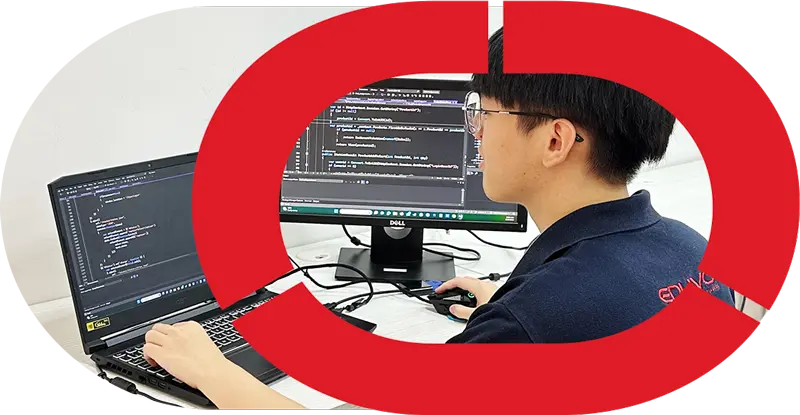


Eduvo Academy vs Traditional University: What’s the Difference?
Eduvo Academy vs Traditional University comes down to learning style, entry requirements, and career preparation. Eduvo Academy offers a practical, TVET-style route for IT beginners and career changer
Quick answer
Eduvo Academy vs Traditional University comes down to learning style, entry requirements, and career preparation. Eduvo Academy offers a practical, TVET-style route for IT beginners and career changers, while a traditional university usually takes a broader academic approach. The right choice depends on whether a student wants hands-on IT training or a more theory-based degree pathway.
Key Takeaways
- Eduvo Academy focuses on hands-on IT training, real lab equipment, and practical learning through Action Learning.
- Traditional university usually places more emphasis on academic study, theory, and a longer time commitment.
- Eduvo Academy offers flexible entry routes for students aged 16 and above, including options for those without SPM.
- Both pathways can be valid, but the better fit depends on the student’s goals, readiness, and preferred learning style.

Choosing between Eduvo Academy vs Traditional University is often about fit, not status. This comparison explains how TVET vs university Malaysia differs in entry routes, programme length, practical exposure, and career direction for students, parents, and career changers. It also helps you understand where Eduvo Academy fits as a practical IT pathway in Sunway Velocity Kuala Lumpur and the Klang Valley.
Eduvo Academy vs Traditional University: What’s the Difference?
Eduvo Academy vs Traditional University comes down to learning style, entry route, and how quickly a student wants to move into IT skills development. This pathway is more suitable for learners who want practical, job-relevant training in a shorter time, while a traditional university is often a better fit for students who prefer longer academic study and a broader theory-based experience.

In simple terms, the provider is built for students who want to learn by doing. That means more time in practical sessions, real lab equipment, and structured guidance through Action Learning, rather than mainly lecture-based study. For families comparing TVET vs university Malaysia, this is an important difference because it affects how a student learns, not just what they study.
Another key difference is the entry route. This pathway is designed to be more accessible for learners aged 16 and above, including those without SPM, which can be helpful for SPM leavers, students with weak results, or career changers looking for a fresh start. If you want a fuller explanation of how this route works, see TVET IT course Malaysia: Complete 2026 Guide.
Programme structure is also different. A traditional university usually follows a longer degree pathway with wider academic coverage, while this training centre focuses on market-aligned curriculum and faster skills development. Its one-year programme options are designed for students who want a more direct route into IT foundations and practical capability.
For example, learners may move through Professional Diploma in IT Support, Professional Diploma in Software Engineering, Professional Degree in Information Technology, or Professional Degree in Software Engineering depending on their pathway and progression goals. The emphasis is on hands-on IT training, practical training, and an internship pathway that helps students connect classroom learning with workplace expectations.
Traditional university may still be the better choice for students who want a broad academic environment, campus life, and postgraduate study options. But for parents and students who value a more guided, skills-first route in Sunway Velocity Kuala Lumpur and the Klang Valley, this option offers a clear, structured alternative that is easier to understand and plan around.
If you are still deciding, the best next step is to contact Eduvo and ask which route matches the student’s age, academic background, and career direction. JOIN US NOW.
How do the learning style and duration compare?
Eduvo Academy is built for students who want a faster, more practical IT pathway, while a traditional university usually suits learners who prefer a longer academic journey with broader theory and more general study. In simple terms, one route is skills-first and compressed; the other is theory-rich and extended.
Eduvo Academy’s one-year, hands-on route
This pathway is designed around active learning from the start. Students spend more time on practical training, real lab equipment, guided exercises, and project-based tasks, so they can build confidence by doing, not just listening. The structure is also easier for families to plan around because the programme duration is shorter and more focused. For a broader overview of how this model fits the local market, see TVET IT course Malaysia: Complete 2026 Guide.
| Column | Column |
|---|---|
| Learning style | Action Learning, classroom explanation, demonstrations, and repeated practice |
| Duration | One-year programme structure for a faster start |
| Pace | More intensive and focused on job-relevant skills |
| Classroom focus | IT support, software fundamentals, and applied tasks |
| Student fit | Age 16 and above, including those without SPM or with weak SPM results |
The provider’s Professional Diploma in IT Support is a good example of this approach: students learn core technical tasks, troubleshooting, communication, and workplace habits in a guided environment. The German Ausbildung-inspired training model also supports this rhythm by combining theory with practice in a more structured way. That makes the learning experience feel purposeful and clear, especially for students who want direct exposure to IT work.
Traditional university’s longer academic route
A university pathway usually takes longer and places more weight on lectures, assignments, academic theory, and broad subject coverage. Students may move at a steadier pace, with more time spent on conceptual understanding, research, and general education modules before specialising.
| Column | Column |
|---|---|
| Learning style | Lecture-based, theory-led, and academically broad |
| Duration | Typically longer than a one-year vocational route |
| Pace | More gradual, with wider subject exploration |
| Classroom focus | Theory, academic writing, and discipline-wide learning |
| Student fit | Learners who want a conventional campus experience and future postgraduate options |
This does not mean one route is right for every student. It means the learning style should match the learner’s goals. For parents comparing TVET vs university Malaysia, the key question is whether the student needs a faster, practical start or a longer academic foundation. If the goal is to understand the pathway in more depth, contact Eduvo and ask which option fits the student’s age, background, and direction.
What are the entry requirements, including no SPM options?
The entry requirements are generally more flexible for a vocational IT pathway, especially for students who want to start practical learning earlier. A traditional university route usually asks for stronger academic qualifications and is often more selective at entry.
Who can apply to Eduvo Academy
This route is designed for school leavers, younger learners, and career changers who want a practical start in IT. In many cases, applicants can enter through a no-SPM route if they are age 16 and above, making it a realistic option for students who want to move into skills-based training without waiting for a conventional academic track.
- Age 16 and above
- Students without SPM results
- SPM leavers who want a faster, job-relevant pathway
- Learners with weak academic results who still want a structured IT start
- Career changers seeking a more practical re-entry into study
- Students interested in a one-year programme with clear skills progression
For example, a student who did not complete SPM, or who wants to avoid a long academic wait, may still be able to begin with the provider’s entry pathway and work toward an IT qualification through practical study. The available options include Professional Diploma in IT Support, Professional Diploma in Software Engineering, Professional Degree in Information Technology, and Professional Degree in Software Engineering. These programmes are built around market-aligned curriculum design, real lab equipment, Action Learning, German Ausbildung-inspired training, practical training, and an internship pathway.
Who may be better suited to university entry
A university pathway is usually a better fit for students who already meet formal academic entry standards and want a longer, more theory-heavy route. This may suit learners who enjoy essays, lectures, broader subject study, and the possibility of postgraduate study later on.
- Students with stronger SPM, STPM, foundation, diploma, or equivalent academic results
- Learners who prefer a broader academic environment
- Students who want more time for theory, research, and general education modules
- Those planning for postgraduate study or a highly academic progression route
For parents comparing TVET vs university Malaysia, the main question is not which route is “better,” but which entry profile matches the student’s current readiness and future goals. If you want help checking suitability, contact Eduvo at Sunway Velocity Kuala Lumpur and ask whether this pathway fits your child or your own background. JOIN US NOW.
Which pathway gives more practical training and internship exposure?
For students who want more time in labs, more guided practice, and clearer exposure to workplace routines, this pathway is usually the more practical option. A traditional university can still include internships, but the balance is often more academic and theory-led.
Real lab equipment and Action Learning
In this comparison, the provider’s route is designed around Professional Diploma in IT Support and Professional Diploma in Software Engineering, with learning that happens through real lab equipment, guided exercises, and Action Learning. That matters for students who learn best by doing rather than only by reading or writing reports.
| Column | Column |
|---|---|
| Practical training | More lab-based, task-based, and skill-focused in this pathway; university study is usually more lecture-heavy with practical work depending on the programme |
| Lab time | Structured around hands-on IT training and repeated practice with equipment and tools; university lab access may be more limited to specific modules |
| Internship exposure | Built into the learning journey through an internship pathway; university internships are often shorter or arranged later in the course |
| Career readiness | Focuses on job-relevant technical skills and workplace habits from the start; university readiness is often broader and more academic |
German Ausbildung-inspired training and market-aligned curriculum
The training model follows a German Ausbildung-inspired approach, which combines classroom learning with practical application. For learners in TVET vs university Malaysia discussions, this is important because it aligns study time with current industry needs instead of keeping learning purely theoretical.
The curriculum is market-aligned, so students are trained on skills that are commonly used in real IT environments. That includes troubleshooting, systems support, software fundamentals, and professional communication. For students who want a faster, skills-based route, the one-year programme structure can be a strong fit. More details are available here: Ausbildung Malaysia: German-Style IT Training.
Internship pathway and workplace readiness
The internship pathway gives students exposure to workplace expectations such as teamwork, punctuality, reporting, and problem-solving under supervision. This is especially helpful for age 16 and above learners, SPM leavers, and students without SPM who want a practical entry point into IT.
The provider also offers options such as Professional Degree in Information Technology and Professional Degree in Software Engineering, but the learning style remains grounded in practical training rather than purely academic study. For families comparing routes in Klang Valley, especially around Sunway Velocity Kuala Lumpur, the key question is whether the student wants more workplace practice now or a longer university-style academic journey later.
If you want to compare the right pathway for your background, contact Eduvo in Kuala Lumpur and ask whether this route fits your goals. JOIN US NOW.
Who should choose Eduvo Academy, and who may prefer university?
In short, the provider is a better fit for learners who want a faster, practical IT route with structured workplace exposure, while a traditional university may suit those who want a longer academic journey with broader theory and postgraduate pathways. The right choice depends on the student’s goals, learning style, and timeline.
Best fit for Eduvo Academy
This pathway suits SPM leavers, students without SPM, age 16 and above learners, and career changers who want hands-on IT training without waiting several years before entering the workforce. It is also practical for families looking for a one-year programme that focuses on real lab equipment, market-aligned curriculum, and Action Learning rather than a purely lecture-based experience. For example, a student who wants to build support skills, troubleshoot devices, and learn workplace communication in a shorter time may find the Professional Diploma in IT Support a clearer starting point. If you want a deeper breakdown of the career route, see How to Become an IT Technician in Malaysia: 2026 Guide.
Best fit for traditional university
A university may suit students who prefer more theory, a broader academic environment, and a longer study timeline. It can also be a better match for learners who are already set on postgraduate study, research pathways, or disciplines that require a strong academic foundation. Some students value campus life, elective subjects, and the chance to explore different fields before specialising. In contrast, this route is usually less focused on immediate practical training and more on conceptual depth, so it works best for students who are comfortable with extended study and a wider academic structure.
For families comparing TVET vs university Malaysia, the clearest question is not which option sounds more prestigious, but which one matches the student’s readiness, interests, and career direction. If your child wants a practical start in IT through the provider’s Professional Diploma in Software Engineering, or a longer route through the Professional Degree in Information Technology or Professional Degree in Software Engineering, contact Eduvo in Sunway Velocity Kuala Lumpur and ask which pathway fits best. JOIN US NOW.
Frequently Asked Questions
Is Eduvo Academy a good choice for SPM leavers?
Can students with weak SPM results still join Eduvo Academy?
What kind of student is best suited for a traditional university?
What is Eduvo Academy in simple terms?
How do parents decide between Eduvo Academy vs Traditional University?
References
- Council for Higher Education Accreditation (CHEA) — Council for Higher Education Accreditation (CHEA)
- Council for Higher Education Accreditation (CHEA) — Council for Higher Education Accreditation (CHEA)
- American Council on Education (ACE) — American Council on Education (ACE)
- U.S. Department of Education, Federal Student Aid — U.S. Department of Education, Federal Student Aid
- LinkedIn Learning Overview — LinkedIn Learning Overview


