


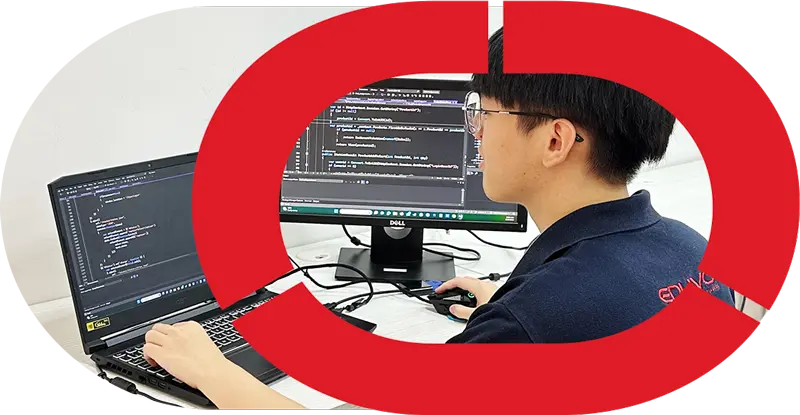


Is One Year Enough to Learn IT?
Yes, one year enough to learn IT for a strong foundation and entry-level job readiness in Malaysia, especially in a focused, hands-on programme. It is enough to learn core support, software, and workp
Quick answer
Yes, one year enough to learn IT for a strong foundation and entry-level job readiness in Malaysia, especially in a focused, hands-on programme. It is enough to learn core support, software, and workplace skills, but not enough to master every area of IT; success depends on practical training, projects, and internship preparation.
Key Takeaways
- A focused 1-year IT course Malaysia can build practical, job-ready foundations.
- One year is realistic for beginners, weak SPM students, and career changers who want a clear pathway.
- Hands-on training, real lab equipment, and consistent practice matter more than theory alone.
- Eduvo Academy’s one-year programme is designed to support faster entry into IT through market-aligned learning and internship preparation.

This guide explains what you can realistically achieve in 12 months, what skills matter most, and where a one-year route fits compared with longer study paths. It also shows how a practical model such as Eduvo Academy’s one-year pathway can support students who want structured, career-focused learning without unrealistic promises. If you are a student or parent trying to decide whether this is the right option, you will get a clear and balanced view.
Is one year enough to learn IT?
Yes — one year enough to learn IT can be true if the programme is tightly structured around practical outcomes, not broad theory. In a focused one-year route, a learner can build a solid foundation in support tasks, basic networking, software workflows, troubleshooting, and workplace communication.

What one year can realistically give you is readiness for entry-level tasks. For example, a student may learn how to set up a workstation, diagnose common hardware issues, support users, document incidents, and work with basic development tools or coding logic. These are the kinds of skills employers often value for junior roles, internships, and apprenticeship-style pathways. A good one-year programme should also include portfolio work, guided practice, and interview preparation so students can show what they can do, not just what they have studied.
At Eduvo Academy, the emphasis is on Professional Diploma in IT Support, Professional Diploma in Software Engineering, Professional Degree in Information Technology, and Professional Degree in Software Engineering pathways that are built around hands-on training, real lab equipment, Action Learning, and German Ausbildung-inspired training. That matters because IT is learned best by doing: testing, fixing, building, repeating, and reflecting. A market-aligned curriculum also helps students focus on what is relevant in today’s workplace, rather than spending too much time on content that is not directly useful.
Still, one year is not a shortcut to mastery. IT is a wide field, and deeper specialisation takes longer. A student must stay disciplined, practise consistently, and be ready to keep learning after graduation. This is especially important for weak SPM students, students without SPM, age 16 and above learners, and career changers who may need a more supportive pace and clear structure.
For many families in Malaysia, the real question is not whether one year creates an expert, but whether it creates a strong starting point. A practical route with internship pathway preparation can do exactly that, especially when the goal is to enter the IT field with confidence and continue growing on the job.
If you are comparing options and want a realistic, career-focused 1-year IT course Malaysia, contact Eduvo Academy to learn how this pathway is designed to support beginners with step-by-step guidance.
What can you realistically learn in one year?
Yes — in a structured one-year programme, a beginner can build solid practical IT foundations, learn core tools, and become ready for entry-level progression. What you should expect is competence in a focused track, not full mastery of the entire IT field.
IT Support pathway
In an IT Support pathway, students can usually learn how to set up and troubleshoot basic hardware, install operating systems, manage user accounts, handle printers and peripherals, and solve common network issues. They also gain exposure to ticketing workflow, customer support communication, and basic cybersecurity habits such as password hygiene and safe device use.
At Eduvo Academy, the Professional Diploma in IT Support is designed to help learners practise these skills through hands-on training, real lab equipment, and Action Learning. That means students do not only read about devices and networks; they work through tasks that look and feel like real support scenarios. For readers who want a clearer entry route, How to Become an IT Technician in Malaysia: 2026 Guide is a useful next step.
Software Engineering pathway
A one-year Software Engineering track can help students learn programming fundamentals, problem-solving logic, version control basics, web application foundations, and simple database concepts. By the end of the year, many learners should be able to build small projects, read and debug code, and understand how software is planned, tested, and improved.
The Professional Diploma in Software Engineering and the Professional Degree in Software Engineering both support this progression in different depth levels, while the Professional Degree in Information Technology gives a broader view of how systems, users, and business needs connect. A student may not become a specialist in one year, but they can leave with a practical portfolio, stronger technical confidence, and a clearer idea of which direction to pursue next.
| Column | Column |
|---|---|
| What you can learn | Core troubleshooting, basic networking, software fundamentals, project work, and workplace-ready habits |
| Best fit for | Beginners, weak SPM students, students without SPM, age 16 and above learners, and career changers |
| Main strength | A focused, market-aligned curriculum with internship pathway preparation |
| Limitation | It builds a foundation, not complete mastery of every IT specialisation |
What one year cannot do
One year cannot turn a beginner into a senior engineer, a cybersecurity specialist, or a full-stack expert with deep industry experience. It also cannot replace consistent practice, curiosity, and the willingness to keep learning after graduation.
A realistic one-year route works best when students stay disciplined and treat the programme as the start of their IT journey. For families and students comparing a one-year programme, the key question is not “Will I know everything?” but “Will I be prepared to begin?”
1-year IT course Malaysia: how a practical pathway is structured
Yes — a practical one-year route can be enough to build solid IT foundations if it is organised step by step, with guided practice, projects, and internship preparation. It is not a shortcut to mastery, but it can be a focused start for beginners, weak SPM students, students without SPM, and career changers.
Action Learning in the classroom
In a structured Professional Diploma in IT Support, learners usually begin with the essentials: device setup, operating systems, basic networking, troubleshooting, and workplace communication. At Eduvo Academy, the one-year programme is designed around Action Learning, so students do not just listen to theory — they solve problems, discuss cases, and apply concepts in class.
- Learn the core concepts first, such as hardware, software, and network basics.
- Practise with guided tasks, mini exercises, and scenario-based activities.
- Build confidence through repeated problem-solving and classroom feedback.
This kind of progression helps students move from “I have heard of it” to “I can try it myself.” For families comparing a TVET IT course Malaysia: Complete 2026 Guide, the key is to look for a curriculum that is market-aligned and practical, not just exam-focused.
Real lab equipment and guided practice

instructor explaining network cables A strong 1-year IT course Malaysia should include real lab equipment, because IT is learned best by doing. Students should be able to handle cables, test devices, configure systems, and practise troubleshooting in a supervised setting. This is especially important for learners who are new to technology or who need more confidence before entering the workplace.
In a German Ausbildung-inspired training model, classroom learning is paired with hands-on training so students can connect theory to real tasks. That means learners in a Professional Diploma in Software Engineering or a Professional Degree in Information Technology can see how coding, systems thinking, and technical support work in practice, not just on paper.
Internship pathway and project preparation
A good one-year pathway should also prepare students for internship and project work. The provider should help students move through a clear sequence:
- Build foundational IT knowledge and technical vocabulary.
- Complete practical assignments and portfolio-style projects.
- Prepare for internship expectations, teamwork, and workplace discipline.

This is where a Professional Degree in Software Engineering or a Professional Diploma in Software Engineering can become more meaningful, because students learn how to present their work, explain their solutions, and show readiness for the next stage. The goal is not to claim instant expertise, but to help learners leave with a stronger base, a clearer direction, and a more employable mindset. For students aged 16 and above, including those seeking no SPM requirement options, this pathway can be a practical entry into IT through Eduvo Academy and similar vocational routes.
One-year programme vs multi-year academic route: what is the difference?
A one-year IT pathway can be enough to build practical foundations, while a multi-year academic route usually goes deeper into theory, broader subjects, and longer-term specialisation. The real difference is not “better or worse,” but pace, focus, and the kind of learner each route suits.

For parents and students comparing options, the key question is whether the goal is fast entry into practical IT skills or a longer academic journey with more time for conceptual depth. A structured one-year programme at Eduvo Academy is designed for learners who want to move quickly into applied learning, while still building discipline and workplace readiness.
| Column | Column |
|---|---|
| One-year programme | Multi-year academic route |
| Pace | Faster, with a concentrated schedule that moves from basics to application within a shorter time |
| Focus | Practical foundations, job-relevant skills, and guided progression |
| Learning style | More project-based, with hands-on training, real lab equipment, and Action Learning |
| Best for | Students aged 16 and above, learners with no SPM requirement, weak SPM students, and career changers who want a practical start |
| Outcome | A solid entry point into IT, plus internship pathway preparation and clearer direction for next steps |
| Depth | Good for foundations, but not the same as years of broader academic study |
| Study rhythm | Requires steady effort and consistent practice because the pace is more compressed |
In practical terms, a shorter route may suit someone who learns best by doing, wants a clear structure, and prefers a focused start in areas like support or coding. That is why options such as Professional Diploma in IT Support and Professional Diploma in Software Engineering can be appealing for learners who want an applied, career-oriented track. The provider’s German Ausbildung-inspired training model is especially relevant here because it combines classroom learning with workplace-style discipline and practical problem-solving.
A longer academic route may suit students who want more time to explore theory, research, and wider subject areas before choosing a specialisation. It can also be helpful for learners who prefer a slower pace and more extended academic progression. If you want a broader overview of practical training pathways, see TVET IT course Malaysia: Complete 2026 Guide.
For students considering Professional Degree in Information Technology or Professional Degree in Software Engineering, the difference is not simply duration; it is the learning experience. A one-year route is more focused and immediate, while a multi-year route is wider and more gradual. Both can be valuable, but they serve different goals, and the right choice depends on readiness, discipline, and career direction. If you are unsure which path fits your situation, contact Eduvo and ask for guidance based on your background and goals.
Which Eduvo Academy one-year programme fits your goal?
Yes — a focused one-year pathway can be enough to build practical IT foundations if the structure is clear, the training is hands-on, and the learner stays consistent. The provider offers a one-year programme designed for different starting points, including no SPM requirement for learners aged 16 and above, so the right fit depends on your current level and career direction.
Professional Diploma in IT Support
This route suits learners who want a practical entry into IT operations, troubleshooting, user support, and device setup. It is a good option for school leavers, weak SPM students, and career changers who want to start with the essentials before moving into a more specialised role. The focus is on real lab equipment, Action Learning, and day-to-day technical problem-solving, so learners can practise the kind of tasks that matter in entry-level support environments.
Professional Diploma in Software Engineering
Choose this if your goal is to build applications, understand coding logic, and work on project-based development tasks. It is better for learners who enjoy structured problem-solving and want exposure to software workflows, teamwork, and portfolio-building. The one-year format is intensive, so it works best for students who can commit to regular practice and are ready to learn by doing rather than waiting for a slower academic pace.
Professional Degree in Information Technology
This pathway is for learners who want a broader technical foundation with more depth across IT areas while still keeping the training applied and career-focused. It may suit students who want stronger progression after completing a vocational route, or those who prefer a more advanced option within a practical learning model. The German Ausbildung-inspired training approach helps keep the experience disciplined, workplace-oriented, and relevant to industry expectations.
- Professional Diploma in IT Support: for learners who want to enter technical support, device maintenance, and troubleshooting.
- Professional Diploma in Software Engineering: for learners who want coding, development, and project work.
- Professional Degree in Information Technology: for learners who want broader IT progression with practical depth.
- Professional Degree in Software Engineering: for learners aiming for a more advanced development track with stronger software focus.

The best choice depends on your starting point, your confidence with study, and how quickly you want to move into a practical IT pathway. If you want help matching your background to the right route, contact Eduvo Academy and ask about the main offering and internship pathway.
Frequently Asked Questions
Is one year enough to learn IT for a beginner?
Can a 1-year IT course help me get a job?
Is one year enough to learn IT for weak SPM students or students without SPM?
How does a 1-year IT route compare with a multi-year route?
Does Eduvo Academy offer a no-SPM entry route for younger students?
References
- edX — How to start a career in information technology with no experience — edX — How to start a career in information technology with no experience
- edX — What is information technology? — edX — What is information technology?
- Coursera — How to Learn Information Technology — Coursera — How to Learn Information Technology
- edX — 5 tech skills you need to stay competitive in 2026 — edX — 5 tech skills you need to stay competitive in 2026
- CompTIA — IT Careers & Certifications — CompTIA — IT Careers & Certifications


