


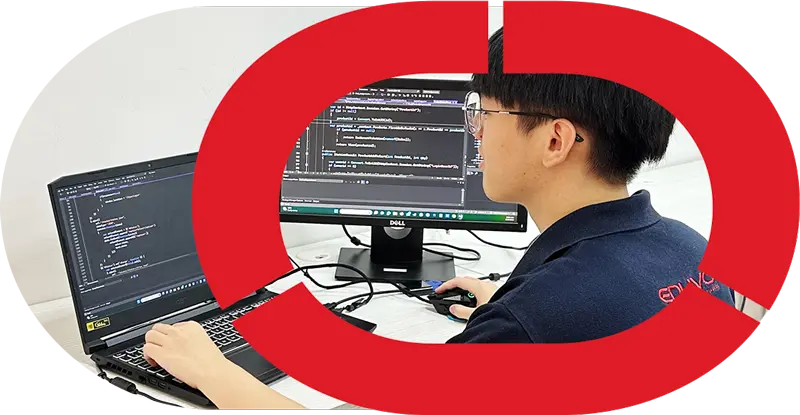


Software Engineer Career Malaysia: 2026 Guide
Software Engineer Career Malaysia is a practical path for Malaysians who want to build coding skills, create software projects, and grow into industry-ready roles through structured learning and hands
Quick answer
Software Engineer Career Malaysia is a practical path for Malaysians who want to build coding skills, create software projects, and grow into industry-ready roles through structured learning and hands-on practice. At Eduvo Academy, beginners and career changers can explore a one-year programme, no SPM requirement, age 16 and above, and a clear route through web development, databases, GitHub portfolio building, and internship pathway support.
Key Takeaways
- Software engineering in Malaysia is best approached through a clear software engineering career path, not just theory.
- Employers usually look for coding skills, web development, databases, GitHub portfolio, and software projects.
- Eduvo Academy offers German Ausbildung-inspired training, Action Learning, and a market-aligned curriculum for practical growth.
- The one-year pathway is designed for beginners and career changers, with no SPM requirement, age 16 and above, and support toward internship experience.

This 2026 guide explains what a software engineer does, how the software engineering career path works in Malaysia, and what employers typically expect from new talent. It also shows how beginners and career changers can build practical coding skills through real projects, a strong GitHub portfolio, and internship exposure. With Eduvo Academy’s one-year, hands-on learning approach, students can follow a structured route that is supportive, practical, and aligned with current industry needs in Kuala Lumpur, Klang Valley, and beyond.
Software Engineer Career Malaysia: What Does a Software Engineer Do?
A software engineer builds digital products that people use every day, such as websites, mobile apps, business systems, and database-driven tools. In simple terms, this role turns business needs into working technology that helps companies serve users better.
Daily work
In a typical software engineering role, daily work may include writing code, fixing bugs, updating features, testing new changes, and working with teammates to improve a product. A junior developer might be asked to build a simple web page, connect a form to a database, or help maintain an existing application.
This is why the software engineering career path is so practical in Malaysia: employers often want people who can show real output, not just talk about theory. A beginner may start with basic coding skills, then move into web development, databases, and version control through GitHub portfolio work. Over time, that can lead to more focused roles such as frontend developer, backend developer, full-stack developer, or web developer.

For students exploring Professional Diploma in Software Engineering, the focus is usually on building software projects that reflect real workplace tasks. This may include creating a simple booking system, a student portal, or a small business website. Through Action Learning and German Ausbildung-inspired training, learners get used to solving problems step by step, presenting their work, and improving based on feedback. That approach helps make learning more relevant for the Malaysian job market, especially in Kuala Lumpur and Klang Valley.
Who this career suits
This career suits SPM leavers, students with weak SPM results, students without SPM, career changers, and parents looking for a practical pathway for their children. It is also a good fit for learners who prefer building things, solving problems, and working with technology in a structured environment.
If you are considering a Professional Degree in Software Engineering route later, this kind of foundation can help you understand the field before moving to higher study. For many beginners, a one-year programme with no SPM requirement and age 16 and above entry can be a more accessible starting point than waiting for a traditional academic route.
The academy’s market-aligned curriculum is designed to support an internship pathway and career readiness, with JPK Malaysia and Skills Malaysia relevance in mind. Eduvo Academy also highlights a 99% employment rate and over 500 graduates, showing how a practical training model can support real progression. If you are ready to take the next step, contact Eduvo and JOIN US NOW.
What software engineering career paths are available in Malaysia?
In Malaysia, a software engineering career can lead to several practical roles, from building user-facing websites to maintaining systems, testing applications, and supporting business software. The main paths usually depend on whether you prefer design, logic, data, or problem-solving in day-to-day work.
Entry-level roles
For beginners, the most common starting points are junior developer, web developer, frontend developer, backend developer, QA tester, mobile app developer, and software support roles. These roles are often the first step before moving into a more specialised software engineering career path.
| Role | Main focus | Typical tasks | Beginner fit |
|---|---|---|---|
| Junior developer | Learning and supporting real projects | Writing small features, fixing bugs, joining team reviews | Very suitable for fresh learners |
| Web developer | Websites and web apps | Building pages, forms, login flows, and simple user features | Strong fit for those interested in web development |
| Frontend developer | What users see and click | Creating layouts, buttons, and interactive interfaces | Good if you enjoy visual work |
| Backend developer | Server logic and data handling | Managing APIs, databases, and system rules | Good if you like logic and structure |
| Full-stack developer | Both frontend and backend | Working across the full application flow | Suitable after building a broad foundation |
| QA tester | Checking software quality | Testing features, reporting bugs, verifying fixes | Good for detail-oriented learners |
| Mobile app developer | Apps for phones and tablets | Building app screens, features, and updates | Good if you want app-based products |
| Software support roles | Helping users and teams | Troubleshooting issues, documenting fixes, basic system support | Suitable for learners who like problem-solving |
Specialist pathways
As you gain confidence, you can move into deeper areas such as databases, cloud tools, system integration, or product support. For example, backend roles often require stronger database understanding, while frontend roles focus more on coding skills, user experience, and responsive design. If you want a structured start, Professional Diploma in Software Engineering can help you build a foundation in web development, databases, GitHub portfolio work, and software projects before moving into an internship pathway.
A practical route like this is especially useful in Kuala Lumpur and Klang Valley, where employers value learners who can show real work, not just theory. That is why the academy uses Action Learning and German Ausbildung-inspired training to connect classroom learning with workplace expectations.
Which path fits you?
If you enjoy visuals, start with frontend or web development. If you like logic and data, backend may suit you better. If you want broader exposure, full-stack is a strong long-term option. If you prefer accuracy and checking details, QA may be a better fit. For students exploring a Professional Degree in Software Engineering later, these pathways can help you understand your strengths first.
For many beginners, the right choice is not “which role is hardest,” but “which role helps me grow steadily.” A market-aligned curriculum can support that growth with practical tasks, internship exposure, and clearer career direction.
What skills do Malaysian employers look for in a software engineer?
Malaysian employers usually look for a mix of technical ability, practical problem-solving, and the confidence to work with a team. In simple terms, they want someone who can write useful code, fix issues, and contribute to real projects.
Technical skills
The most valued technical skills are the ones you can apply to everyday work, not just exam questions. For a Professional Diploma in Software Engineering, that usually means building a strong base in:
- Coding fundamentals
- JavaScript
- Python basics
- Web development
- Databases
- Git/GitHub
- Debugging
Employers also pay attention to whether you understand how software is built step by step. Can you create a simple webpage, connect it to a database, and solve errors when something breaks? Can you explain what your code does and improve it when needed? These are the kinds of practical abilities that matter in junior developer, frontend developer, backend developer, and full-stack roles.
Soft skills
Technical skills get you noticed, but soft skills help you work well in a real workplace. Malaysian hiring teams often value:
- Problem-solving
- Teamwork
- Communication
- Time management
- Willingness to learn
- Attention to detail
These skills matter because software work is rarely done alone. You may need to ask questions, receive feedback, explain progress clearly, and adjust your work based on project needs. For students entering a software engineering career path, this is especially important during project work and internship exposure.
Portfolio proof
A strong portfolio is often more convincing than a long list of claims. Employers want to see what you have actually built, such as:
- A simple website
- A small app
- A database-driven project
- A GitHub portfolio with clean commits
- Code that shows progress over time
This is where a market-aligned curriculum becomes useful. With Action Learning and German Ausbildung-inspired training, the academy helps students practise through real tasks, not only theory. That matters in Malaysia, where learners need proof of skills before they are trusted with more responsibility.
The pathway is also designed for age 16 and above, with no SPM requirement and a one-year programme structure that supports early starters and career changers. Eduvo Academy reports a 99% employment rate and over 500 graduates, reflecting the value of practical preparation for students in Sunway Velocity Kuala Lumpur and across Klang Valley. If you are ready to build your future, contact Eduvo and JOIN US NOW.
How much does a software engineer earn in Malaysia in 2026?
A software engineer in Malaysia can earn a wide range of salaries in 2026, depending on experience, skill set, and the type of company. For most learners, the realistic view is that pay starts modestly for entry-level roles and grows as you build stronger coding skills, project experience, and industry-ready tools.
Entry-level range
For fresh graduates and career starters, salary usually depends on how well you can show practical ability in web development, databases, and project work. Employers often look at your GitHub portfolio, internship pathway exposure, and the quality of your software projects more than just your certificate.
| Column | Column |
|---|---|
| Entry-level software roles | About RM2,500 to RM4,000 per month, depending on company size, location, and technical readiness |
| Junior web development roles | Often similar or slightly higher if you can build and maintain real websites |
| Strong portfolio candidates | May receive better starting offers if they can show clean code, teamwork, and problem-solving |
For students considering Professional Degree in Software Engineering, it is useful to understand that salary growth often begins with how quickly you become useful in real projects, not just how much theory you know.
Mid-level range
After a few years of experience, many developers move into roles such as backend developer, frontend developer, full-stack developer, or more specialised software roles. At this stage, pay can rise more noticeably because employers value independence, better system understanding, and the ability to contribute with less supervision.
| Column | Column |
|---|---|
| Mid-level software roles | About RM5,000 to RM8,500 per month for many working professionals |
| Experienced developers with strong portfolios | May earn more when handling larger systems, databases, or team leadership tasks |
| Project-heavy roles | Can pay better when you manage delivery, quality, and client needs effectively |
What affects salary
Several factors shape a software engineering salary in Malaysia:
- Experience level: More years usually mean higher pay
- Skill depth: Strong coding skills, web development, and database knowledge matter
- Portfolio quality: A GitHub portfolio with real software projects helps prove ability
- Location: Klang Valley roles may offer different pay levels from smaller markets
- Company needs: Product teams, agencies, and enterprise firms may value different skills
- Internship pathway and practical exposure: Real work experience can improve employability
At Eduvo Academy, the academy’s market-aligned curriculum and German Ausbildung-inspired training are designed to help learners build practical value early, especially through Action Learning. With the right foundation, a software engineering career path can become more accessible for age 16 and above learners, including those with no SPM requirement, weak SPM results, or career-change goals.
How Eduvo Academy helps beginners build a software engineering career
The academy gives beginners a clear starting point into software engineering through practical training, guided projects, and an internship pathway. It is designed to help learners move from basic coding skills to job-ready confidence in a structured way.
No-SPM entry route
For many Malaysian learners, the first barrier is entry. This pathway is open to age 16 and above, with no SPM requirement, which makes it suitable for SPM leavers, students with weak results, students without SPM, parents exploring options, and career changers who want a practical start.
- Learners begin with foundation classes that introduce coding skills in a simple, step-by-step way.
- They move into web development, databases, and basic software projects so they can understand how real systems work.
- Through Action Learning and German Ausbildung-inspired training, they practise by doing, not just by reading notes.
- As they progress, they start building a GitHub portfolio that shows their work clearly to future employers.
One-year pathway
The one-year programme is built to help learners grow steadily without waiting too long to start applying their skills. It is structured to support a software engineering career path through a mix of classroom learning, guided practice, and project work.
Professional Diploma in Software Engineering is one route for learners who want a focused and practical track. For those who later want to continue further, a Professional Degree in Software Engineering can be part of a longer academic journey, depending on their goals and progression.
The academy’s market-aligned curriculum is designed around what employers commonly need in entry-level roles, especially in the Klang Valley. Learners are introduced to the basics of frontend work, backend logic, and simple system thinking, so they can understand how different roles fit together.

Why projects and internship matter
Real projects matter because they help learners turn theory into evidence. A GitHub portfolio with completed software projects can show problem-solving, consistency, and growth more clearly than notes alone.
The internship pathway adds another important layer. It helps learners experience workplace expectations, teamwork, deadlines, and communication before they enter full employment. This is especially useful for beginners who need more confidence in a real environment.
Eduvo Academy also highlights practical outcomes such as a 99% employment rate and over 500 graduates, which reflect the value of structured training and career support. The pathway is also aligned with JPK Malaysia and Skills Malaysia standards, giving learners a more recognised direction for vocational development.
If you are ready to begin a practical route into tech, contact Eduvo Academy and JOIN US NOW to explore this one-year, career-focused pathway in Sunway Velocity Kuala Lumpur.
Frequently Asked Questions
What is a software engineer career path in Malaysia?
Can SPM leavers or students with weak results still start a software engineer career?
What skills should I learn first for software engineering?
Why is a portfolio important for software engineering jobs?
Is software engineering a good option for career changers and parents planning for their children?
References
- Ministry of Economy Malaysia — Malaysia Digital Economy Blueprint — Ministry of Economy Malaysia — Malaysia Digital Economy Blueprint
- Malaysia Digital Economy Corporation (MDEC) — Official Website — Malaysia Digital Economy Corporation (MDEC) — Official Website
- Department of Statistics Malaysia (DOSM) — Salaries & Wages Survey Report Archive — Department of Statistics Malaysia (DOSM) — Salaries & Wages Survey Report Archive
- Board of Engineers Malaysia (BEM) — Official Website — Board of Engineers Malaysia (BEM) — Official Website


