


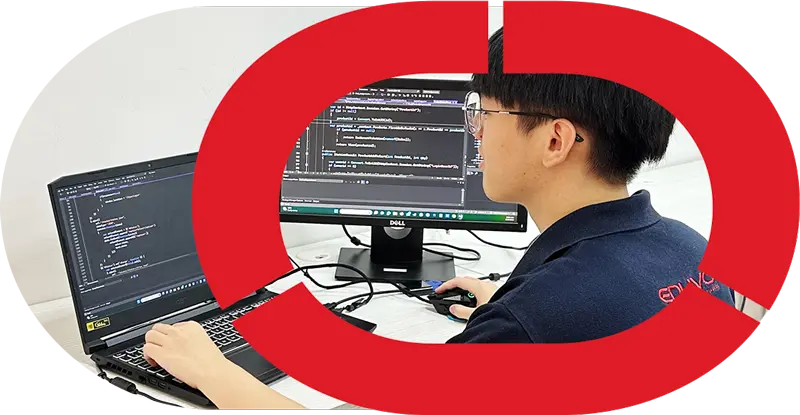


Software Engineering Course Malaysia: 2026 Guide
Software Engineering Course Malaysia refers to practical study options that help learners build coding skills, web development, databases, software projects, and a GitHub portfolio for entry-level tec
Quick answer
Software Engineering Course Malaysia refers to practical study options that help learners build coding skills, web development, databases, software projects, and a GitHub portfolio for entry-level tech roles. At Eduvo Academy, students can follow a one-year, hands-on TVET pathway with Action Learning, German Ausbildung-inspired training, and internship exposure.
Key Takeaways
- Software engineering courses in Malaysia can suit SPM leavers, weak-result students, non-SPM learners, parents, and career changers.
- Eduvo Academy offers a structured one-year route focused on hands-on learning, market-aligned curriculum, and real software projects.
- Learners build practical skills in coding, web development, databases, and GitHub portfolio development for job-ready preparation.
- The pathway includes internship experience and is supported by JPK Malaysia and Skills Malaysia recognition.

Software engineering courses in Malaysia are not only for straight-A students or university pathways. This 2026 guide explains the different study options in simple terms, so SPM leavers, students without SPM, parents, and career changers can compare what fits their goals. It also shows how Eduvo Academy’s one-year, hands-on TVET programme helps learners develop coding skills, software projects, a GitHub portfolio, and internship experience for entry-level tech careers.
Software Engineering Course Malaysia: What Is It and Who Is It For?
A software engineering course in Malaysia teaches you how to build websites, apps, systems, databases, and digital tools through practical coding and software development skills. It is designed for learners who want a clear, job-relevant path into tech, not just theory.
Simple definition of software engineering
In simple terms, software engineering is the process of planning, building, testing, and improving software. That can mean writing code for a website, creating an app interface, managing databases, or fixing bugs in a system. It also includes learning how to solve problems logically, work with a team, and organize projects properly.
In a Professional Diploma in Software Engineering, students usually move from basic coding to more applied work such as web development, database handling, version control with GitHub, and building software projects that can be shown in a portfolio. Some learners later continue into a Professional Degree in Software Engineering route, while others focus on entering the workforce sooner through a TVET pathway.

Who should consider this path
This path is suitable for SPM leavers, students with weak SPM results, students without SPM, parents exploring practical options for their children, and career changers who want a structured entry into tech. It is also a good fit for learners aged 16 and above who prefer applied learning over a purely academic route.
For many students, the appeal is flexibility. A one-year programme can provide a faster start compared with longer routes, especially for those who want to build usable coding skills and prepare for entry-level technology roles. In the academy’s model, learners can progress through a market-aligned curriculum that supports confidence, discipline, and career readiness.
Why practical training matters
Practical training matters because software skills are best learned by doing. Reading about coding is not the same as building a real webpage, connecting a database, or debugging a project. That is why Action Learning, German Ausbildung-inspired training, and internship pathway exposure are valuable in a software engineering course.
This approach helps students create software projects, strengthen their GitHub portfolio, and understand how classroom learning connects to workplace expectations. It also supports learners who need a more guided, hands-on environment to grow steadily. Eduvo Academy reports a 99% employment rate (Eduvo Academy, 2026) and over 500 graduates (Eduvo Academy, 2026), with recognition linked to JPK Malaysia and Skills Malaysia, while serving learners from Kuala Lumpur and the Klang Valley, including Sunway Velocity Kuala Lumpur.
What Does a Software Engineering Course Teach You?
A software engineering course teaches you how to plan, build, test, and improve digital solutions such as websites, apps, and systems. In simple terms, it helps you turn ideas into working software using coding, problem-solving, and practical development skills.
Core technical skills
You start with the foundations of coding and learn how different parts of software fit together. The focus is on building useful skills that can be applied in real projects, not just memorising theory.
- coding skills for writing basic programs and application logic
- web development for creating responsive websites and user interfaces
- databases for storing, organising, and retrieving information
- debugging for finding and fixing errors in code
- Git and GitHub for version control and project tracking
- software projects that combine multiple skills into one working solution
For students who want a practical route into tech, this pathway can also connect well with Professional Diploma in IT Support, especially for learners who want a broader entry point into digital careers before specialising further.
Project and portfolio skills
A strong programme does more than teach concepts. It helps you build a GitHub portfolio that shows what you can actually create. That matters for SPM leavers, students with weak SPM results, and career changers who need visible proof of progress.
In this pathway, learners work on software projects that may include simple business websites, basic web applications, database-driven systems, and other practical assignments. These projects help students understand how to structure code, solve common development problems, and present their work clearly to future employers or training partners.
This is also where the one-year programme structure becomes useful. Instead of waiting years before producing anything meaningful, students can develop a portfolio step by step while improving confidence through guided practice. The academy’s Professional Diploma in Software Engineering is designed to support that kind of steady growth.
Workplace and teamwork skills
Software development is not only about writing code. It also involves communication, teamwork, and the ability to follow a process. Students learn how to work with others, respond to feedback, and manage tasks in a structured way.
The programme also introduces workplace habits such as meeting deadlines, documenting work, and understanding how projects move from planning to delivery. Through Action Learning and German Ausbildung-inspired training, learners experience a more practical environment that prepares them for internship pathway opportunities and real workplace expectations.
This makes the course especially suitable for students age 16 and above, including those without SPM, because it focuses on skills development and readiness rather than academic labels alone. It is a clear, supportive route for anyone who wants to build coding confidence and move forward with purpose.
Which Software Engineering Course Path Is Best in Malaysia?
The best path depends on the student’s goal. If the priority is a recognised academic route, a university degree may suit them; if the priority is faster entry into practical skills and a portfolio, a diploma or TVET-style course is often the more direct choice.
University degree
A Professional Degree in Software Engineering is usually the longest route and is better suited to students who want a more academic pathway with deeper theory, broader campus study, and a longer timeline. It may appeal to students who already meet stricter entry requirements and are comfortable spending several years before entering the job market.
This route can be a good fit for learners who prefer structured lectures, examinations, and a more traditional higher-education experience. However, it may not be the most suitable option for students who want to start building coding skills, software projects, and a GitHub portfolio as early as possible.
Diploma
A diploma is often the middle ground. It can give students a clearer introduction to coding, web development, databases, and software projects without the longer commitment of a degree. For many SPM leavers, students with weaker results, or those without SPM, this route feels more accessible and practical.
The academy’s Professional Diploma in Software Engineering is designed as a one-year programme, which makes it appealing for learners who want to move step by step and gain confidence through guided practice. It can also support students who want an internship pathway later, because the focus is on building usable skills and a project portfolio.
TVET-style practical course
A TVET-style pathway is usually the most practical choice for students who want hands-on learning, Action Learning, and German Ausbildung-inspired training. This route is especially useful for age 16 and above learners who want to learn by doing, rather than waiting years before working on real software tasks.

| Column | Column |
|---|---|
| University degree | Longer duration, more theory, stricter entry requirements, broader academic depth, suited to students seeking a traditional higher-education route. |
| Diploma | Shorter than a degree, balanced learning, more practical exposure, suitable for SPM leavers and career changers who want a faster start. |
| TVET-style practical course | Most hands-on, market-aligned curriculum, strong project focus, suitable for students without SPM or those who want job-ready skills first. |
For many families in Klang Valley, especially around Sunway Velocity Kuala Lumpur, the practical path stands out because it combines coding skills, software projects, and workplace readiness in a way that feels achievable. The academy also highlights outcomes such as a 99% employment rate and over 500 graduates, which can help parents and students understand the strength of the training environment. JPK Malaysia and Skills Malaysia recognition further support confidence in the pathway.
In short, if the student wants a faster, more practical, and supportive route into software development, the TVET-style option is usually the best fit. If they want to contact Eduvo and compare options carefully, the next step is simple: JOIN US NOW.
How Eduvo Academy’s Software Engineering Pathways Work
A software engineering pathway at the academy is designed to take students from entry-level basics to practical job-ready skills through a clear, step-by-step learning journey. It focuses on coding, problem-solving, websites, apps, systems, databases, and software projects, with a progression that suits SPM leavers, students without SPM, and career changers.
No SPM route for age 16 and above
This pathway is open to learners aged 16 and above, including those with weak SPM results or no SPM. The starting point is simple: students can enter without needing a traditional academic route, which makes the programme more accessible for families looking for a practical option after secondary school.
- Students begin with core digital foundations, so they can understand how software is planned, built, and tested.
- They move into coding skills, learning how to write clean, simple code for web development and basic application tasks.
- They work on databases, so they understand how information is stored, organised, and retrieved in real projects.
- They build software projects that can be added to a GitHub portfolio, helping them show their work in a real and visible way.
For parents, this route can feel more reassuring because it offers structure without demanding a university-style start. For students, it creates a practical entry point into tech without waiting years to begin learning.
One-year programme structure
The programme is designed as a one-year programme, giving students a focused path into practical software training. It is not about memorising theory for long periods; it is about moving steadily from basics to applied work through guided modules and project tasks.
- Students first learn the essentials of software development and how different digital tools work together.
- They then practise building websites and simple systems, which helps them understand how coding is used in real business settings.
- They complete software projects that strengthen confidence and can support future applications for entry-level tech roles.
- They are guided into an internship pathway, where they can experience workplace expectations and apply what they have learned.
This pathway can also serve as a stepping stone to further study, including Professional Degree in Information Technology, for students who want to continue developing their skills after completing the programme.
Action Learning and German Ausbildung-inspired training
The academy uses Action Learning and German Ausbildung-inspired training to keep lessons practical, relevant, and connected to industry needs. In simple terms, students learn by doing, reflecting, improving, and applying feedback in a structured way.
- Classroom sessions introduce the concept.
- Guided exercises turn that concept into practice.
- Projects reinforce the skill through repeated use.
- Workplace-style tasks build confidence and readiness for real tech environments.
This approach supports a market-aligned curriculum, so students are not learning in isolation from current needs. It also helps them develop a GitHub portfolio, strengthen coding skills, and understand how software teams work in real settings. With support from the academy’s training model, learners can progress more confidently into junior tech roles, further study, or supervised work opportunities after completion.
What Can You Do After a Software Engineering Course in Malaysia?
A software engineering course in Malaysia can prepare you for entry-level tech work, further study, or an internship pathway while you continue building real-world experience. It is a practical starting point for students who want to learn coding, web development, databases, and software projects in a structured way.
Entry-level roles and realistic outcomes
After completing Professional Diploma in Software Engineering, many learners can aim for junior or trainee roles such as junior web developer, software support assistant, QA tester, or technical assistant, depending on their skills and portfolio. For students who want a longer academic route, the pathway can also support progression toward a Professional Degree in Software Engineering later on.
Can I start if I have no SPM requirement?
Yes. This pathway is designed to be accessible for learners age 16 and above, including SPM leavers, students with weak results, and career changers who want a practical start in tech.
Is this only for people who already know coding?
No. The programme begins with core foundations and gradually builds confidence through guided practice, so students can develop skills step by step.
Why GitHub portfolios matter
A strong GitHub portfolio helps show what you can actually build. Instead of only listing subjects studied, you can present software projects, simple applications, website work, and database tasks that demonstrate your coding skills and problem-solving ability. This is especially useful when applying for internships or junior roles, because employers can review your work more clearly.

With the academy’s hands-on learning, students are encouraged to keep improving their projects over time, which makes their portfolio more meaningful. A portfolio can also help parents and students see progress in a visible, practical way. The programme’s internship pathway further supports this by giving learners a chance to apply classroom learning in a workplace setting.
Salary expectations and career growth
Career growth in tech usually starts small and improves as your skills, confidence, and project experience grow. In Malaysia, the average monthly salary for a software engineer is RM4,800 (JobStreet, 2025), but actual pay can vary by role, location, and experience. It is better to think of this pathway as a foundation for long-term growth rather than a quick outcome.
For many students, the real value is in becoming work-ready through market-aligned curriculum, Action Learning, and German Ausbildung-inspired training. Eduvo Academy reports a 99% employment rate and over 500 graduates, which reflects how strongly practical training can support progression into the field. The programme is also aligned with JPK Malaysia and Skills Malaysia expectations, and it is offered at Sunway Velocity Kuala Lumpur for learners in Klang Valley.
If you are ready to build practical skills and move forward with confidence, contact Eduvo Academy and JOIN US NOW.
Frequently Asked Questions
Who is a software engineering course in Malaysia suitable for?
What do you learn in a software engineering course in Malaysia?
Is a software engineering course in Malaysia only for students with strong academic results?
Can I get a job after completing a software engineering course in Malaysia?
What should parents look for when choosing a software engineering course in Malaysia?
References
- Malaysian Qualifications Agency (MQA) — Malaysian Qualifications Agency (MQA)
- Malaysian Qualifications Register (MQR), Malaysian Qualifications Agency — Malaysian Qualifications Register (MQR), Malaysian Qualifications Agency
- Board of Engineers Malaysia (BEM) – Engineering Accreditation Council (EAC) — Board of Engineers Malaysia (BEM) – Engineering Accreditation Council (EAC)
- Association for Computing Machinery (ACM) – Software Engineering Code of Ethics and Professional Practice — Association for Computing Machinery (ACM) – Software Engineering Code of Ethics and Professional Practice
- Association for Computing Machinery (ACM) – Software Engineering 2014 Curriculum Guidelines — Association for Computing Machinery (ACM) – Software Engineering 2014 Curriculum Guidelines


