


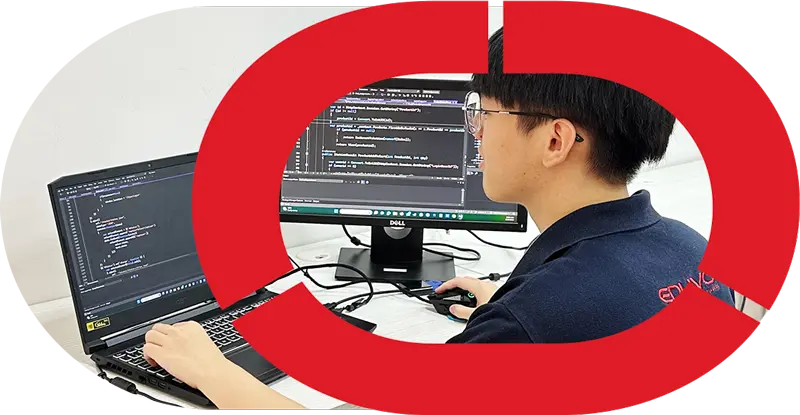


Software Engineering Diploma Malaysia: 2026 Guide
A **software engineering diploma Malaysia** pathway helps students build practical coding skills, complete software projects, and prepare for junior tech roles through hands-on learning. In Malaysia,
Quick answer
A software engineering diploma Malaysia pathway helps students build practical coding skills, complete software projects, and prepare for junior tech roles through hands-on learning. In Malaysia, some pathways such as Eduvo Academy’s Professional Diploma in Software Engineering offer a one-year programme for learners age 16 and above, including those with no SPM requirement.
Key Takeaways
- A software engineering diploma can be a practical route for SPM leavers, students with weak results, students without SPM, and career changers.
- Hands-on learning, Action Learning, and German Ausbildung-inspired training help students build real workplace skills.
- A one-year programme can support faster progress into software projects, a GitHub portfolio, and an internship pathway.
- In Kuala Lumpur and the Klang Valley, students should look for training connected to JPK Malaysia, Skills Malaysia, and industry-relevant teaching.

Choosing a software engineering path can feel confusing, especially if you are comparing academic study with a more practical route into tech. This 2026 Malaysia-focused guide explains software engineering diplomas in simple terms for SPM leavers, students with weak or no SPM results, parents, and career changers who want a clearer next step. You will learn what to look for in a programme, how hands-on learning supports coding skills and software projects, and why Eduvo Academy in Sunway Velocity Kuala Lumpur offers a one-year, portfolio-building pathway designed to help learners move toward junior tech roles with confidence.
Software Engineering Diploma Malaysia: Direct Answer
A software engineering diploma Malaysia pathway is a practical route for students who want to learn coding, build real software projects, and prepare for junior developer roles faster than a traditional degree route. Instead of spending years focused mainly on theory, students can move into structured, hands-on training that builds job-ready confidence in a shorter time.
A software engineering diploma in Malaysia is a practical route for learning coding, building projects, and preparing for junior developer roles faster than a traditional degree pathway.
In simple terms, software engineering means learning how to create websites, mobile apps, business systems, and other digital tools people use every day. For many students in Malaysia, the appeal is clear: they want useful coding skills, real project practice, and a clearer path into work. That is why a Professional Diploma in Software Engineering can make sense for SPM leavers, students with weak results, learners with no SPM requirement, and career changers who prefer applied learning over a heavily academic route.
At Eduvo Academy in Sunway Velocity Kuala Lumpur, the focus is on hands-on learning, Action Learning, and German Ausbildung-inspired training. This matters because employers usually want to see what you can build, not just what you studied. In a one-year programme, students can work on software projects, practise teamwork, and start building a GitHub portfolio that shows their progress in a visible, practical way. For learners age 16 and above, this creates a more accessible starting point into tech training without waiting for a longer academic pathway.
Students in the Klang Valley often compare programme outcomes by looking at training structure, portfolio development, and progression support. A practical diploma should also connect to recognised skills standards such as JPK Malaysia and Skills Malaysia, while offering an internship pathway that helps students experience real workplace expectations. Eduvo Academy also highlights over 500 graduates and a 99% employment rate (Eduvo Academy, 2026), which gives families a useful benchmark when evaluating outcomes.
For students who want a supportive and practical route into tech, this kind of diploma offers a clear next step. If you want to explore whether this path fits your goals, contact Eduvo Academy and JOIN US NOW.
What is a software engineering diploma in Malaysia?
A software engineering diploma in Malaysia is a practical pathway for students who want to learn coding, build real software projects, and prepare for junior developer roles faster than a traditional academic route. In simple terms, it focuses on job-relevant skills, guided practice, and portfolio development rather than theory alone.
Software engineering in simple terms
Software engineering means creating the digital tools people use every day, such as websites, mobile apps, business systems, booking platforms, and internal company tools. A Professional Diploma in Software Engineering usually introduces students to core coding skills like writing simple programs, building user-friendly interfaces, testing features, fixing errors, and understanding how different parts of a system work together.
For many students in Malaysia, this makes the field easier to understand. Instead of thinking only about complex computer science concepts, they can see the outcome clearly: building a website, creating an app screen, or completing a small working system. This is why a software engineering diploma Malaysia search often comes from SPM leavers, students with weaker exam results, and learners who want a more direct route into tech. At Eduvo Academy, learners can explore this through hands-on learning, Action Learning, and German Ausbildung-inspired training that connects classroom practice with workplace expectations.
What makes a diploma practical
A practical diploma is not just about attending classes. It gives students structured opportunities to code, solve problems, work in teams, and complete projects they can show employers. In a one-year programme, students can build a GitHub portfolio, complete guided software projects, and follow an internship pathway that helps them understand real job environments.
This matters because employers often want proof of skills, not only certificates. A diploma linked to JPK Malaysia and Skills Malaysia can also give added confidence that the training follows recognised vocational standards. For learners looking ahead, some may later compare this route with Professional Degree in Software Engineering depending on their long-term goals.
Why this pathway appeals in Malaysia
In Malaysia, this pathway appeals because it is accessible and career-focused. Some programmes offer no SPM requirement, making them more open to learners who need a second chance. For students age 16 and above, especially around Sunway Velocity Kuala Lumpur and the wider Klang Valley, a practical TVET route can feel more realistic and motivating.
Families also look at outcomes. Eduvo Academy highlights over 500 graduates and a 99% employment rate (Eduvo Academy, 2026), which helps students evaluate progression with clearer expectations. If you want to find out whether this path suits you, contact Eduvo Academy and JOIN US NOW.
Who is a software engineering diploma suitable for?
A software engineering diploma Malaysia pathway is suitable for learners who want a practical, faster route into tech skills and junior-level opportunities. It is especially relevant for students who want to learn coding skills, build real software projects, create a GitHub portfolio, and follow an internship pathway without waiting years for a traditional route.
SPM leavers and students with weak results
For many school leavers, the main question is not only “Can I study?” but “Can I keep up and stay motivated?” A Professional Diploma in Software Engineering is often a strong fit for students who prefer doing and building, not only exam-based learning.
- SPM leavers who want a practical route can benefit from a one-year programme that focuses on hands-on learning instead of long academic theory.
- Students with weak SPM results may find a TVET environment more encouraging because progress is shown through tasks, coding exercises, and completed software projects.
- Learners who want to understand software engineering in simple terms—building websites, apps, systems, and digital tools—usually respond well to Action Learning, where they learn by doing.
- Students aiming for junior developer preparation can use project work to build a visible GitHub portfolio, which is useful when showing skills to employers.
- Families in Sunway Velocity Kuala Lumpur and across the Klang Valley may also value a route connected to JPK Malaysia and Skills Malaysia for recognised vocational direction.

Students without SPM
This route can also suit students who need a second chance. Some learners are ready to move forward but do not meet the usual academic path, so accessibility matters.
- Students with no SPM requirement options can still begin building practical tech skills.
- Learners age 16 and above can start earlier and use that time to strengthen confidence, discipline, and job-ready habits.
- A structured programme using German Ausbildung-inspired training can help students adapt to real workplace expectations through routine, practice, and applied tasks.
- Students who learn better through guided practice often do well in hands-on learning settings with clear weekly outcomes.
Parents and career changers
Parents and working adults often look for a route with clear structure, realistic duration, and visible outcomes.
- Parents seeking a practical option for their children may prefer a programme with over 500 graduates (Eduvo Academy, 2026) and a 99% employment rate (Eduvo Academy, 2026).
- Career changers who want to move into tech may find a one-year programme more manageable than a longer academic commitment.
- Adults who need a supportive learning community may appreciate Eduvo Academy’s practical TVET approach in Sunway Velocity Kuala Lumpur.
- Anyone considering this pathway can contact Eduvo Academy to ask about intake, learning format, and how to JOIN US NOW.
Software Engineering Diploma vs traditional degree: what is the difference?
A software engineering diploma in Malaysia is usually a faster, more practical pathway for students who want to learn coding, build real software projects, and prepare for junior tech roles without waiting several years for a traditional degree. A traditional degree usually goes deeper into academic theory, while a Professional Diploma in Software Engineering focuses more on applied skills, portfolio building, and workplace readiness.
In simple terms, software engineering means learning how to build websites, apps, systems, and digital tools that people and companies use every day. For many students in Malaysia, especially SPM leavers, students with weaker exam results, and learners looking for a clearer skills-based route, the difference often comes down to how fast they can start learning, how much practical work they do, and how soon they can show employers what they can build.
| Column | Column |
|---|---|
| **Duration** | A traditional degree often takes around 3 to 4 years, while a **one-year programme** can help students move into skills training much faster. |
| **Cost direction** | Degree pathways are usually higher in total cost because of longer study duration, while diploma-style TVET learning is often more cost-conscious due to the shorter training period. |
| **Entry requirements** | Degree routes often depend more heavily on academic results. A practical pathway like **Eduvo Academy** may offer **no SPM requirement** and welcome learners **age 16 and above**. |
| **Theory vs hands-on balance** | Degrees usually include more academic and exam-based study. A TVET route places stronger focus on **hands-on learning**, guided practice, and **Action Learning**. |
| **Portfolio building** | Degree students may complete assignments and final-year projects, but diploma students often spend more time building **software projects** and a **GitHub portfolio** that can be shown during interviews. |
| **Internship exposure** | Traditional routes may include industrial training later in the programme. A practical diploma pathway often introduces an **internship pathway** earlier as part of job preparation. |
| **Career readiness** | A degree can support long-term academic progression, while a **Software Engineering Diploma Malaysia** route is designed to build **coding skills**, workplace habits, and junior-level readiness faster. |
At Eduvo Academy in Sunway Velocity Kuala Lumpur, students in the Klang Valley can study through a TVET model guided by German Ausbildung-inspired training. This approach supports routine, discipline, project work, and applied learning in line with JPK Malaysia and Skills Malaysia standards. With over 500 graduates (Eduvo Academy, 2026) and a 99% employment rate (Eduvo Academy, 2026), the focus is on helping learners turn effort into visible outcomes.
If you are still comparing IT pathways, you can also explore Professional Diploma in IT Support for another practical route. To find out whether this path fits your goals, contact Eduvo Academy and JOIN US NOW.
What do students learn in a software engineering diploma?
A Software Engineering Diploma Malaysia pathway teaches students how to build real digital products, not just memorise theory. In simple terms, students learn how websites, apps, and business systems are created, tested, improved, and presented for real work use.
At Eduvo Academy, the Professional Diploma in Software Engineering is designed for learners who want practical progress through hands-on learning, Action Learning, and German Ausbildung-inspired training. This matters for students who want a faster, skills-focused route, including those looking for no SPM requirement options, learners age 16 and above, and students seeking a one-year programme in Sunway Velocity Kuala Lumpur within the Klang Valley. As a TVET pathway aligned with JPK Malaysia and Skills Malaysia, the focus is on usable ability, project habits, and job readiness. Eduvo Academy reports over 500 graduates (Eduvo Academy, 2026) and a 99% employment rate (Eduvo Academy, 2026).

Core coding foundations
Students usually begin with the basics of software engineering in clear, practical steps. That includes understanding how to write code, how websites work, how apps respond to user input, and how to solve simple problems logically. Instead of overly technical theory, the learning is centred on building useful coding skills that can grow into junior developer ability.
| Skill area | What students learn | Why it matters in real work |
|---|---|---|
| Programming basics | Variables, logic, conditions, loops, functions | Helps students write working code and fix simple errors |
| Web development | Page structure, styling, interactive features | Supports website and web app building |
| Database basics | Storing, organising, and retrieving data | Important for login systems, records, and app functions |
| Software testing | Checking bugs, usability, and performance | Builds quality control habits expected in workplaces |
| Problem-solving | Breaking tasks into smaller coding steps | Helps students handle project tasks with more confidence |
Tools and teamwork skills
A strong software course should also teach students how work happens in real teams. This includes version control, task tracking, communication, and documentation. Students are often introduced to GitHub portfolio building so they can store code, show progress, and present their work during interviews.
They also learn how deadlines, revisions, and feedback work in practice. This is where Action Learning becomes useful, because students improve by doing, reviewing, and refining. In a practical TVET setting, these habits support an internship pathway and make the transition into entry-level work smoother.
Projects that build confidence
The biggest difference in a practical diploma is the amount of applied work students complete. Instead of only studying concepts, they build software projects such as simple websites, booking systems, forms, dashboards, or basic business tools. These projects help students connect classroom lessons to real use cases.
Over time, completed work can be collected into a GitHub portfolio, giving students proof of effort and progress. For many learners, this is what builds confidence most: seeing their own code turn into something functional, presentable, and relevant to future job opportunities. To learn whether this path fits your goals, contact Eduvo Academy and JOIN US NOW.
Why does a GitHub portfolio matter for software engineering students?
A GitHub portfolio matters because it gives employers visible proof that a student can actually build software, not just talk about it. For students taking a Software Engineering Diploma Malaysia pathway, it is one of the clearest ways to show coding skills, project progress, and readiness for an internship pathway or junior-level work.
Projects employers can review
When employers shortlist candidates, they often want more than certificates alone. A portfolio on GitHub lets them review code structure, project consistency, update history, and whether the student can finish what they start. This is especially useful for learners in a Professional Diploma in Software Engineering, where hands-on learning and Action Learning are central to daily training.
For example, a recruiter may not expect a beginner to build a large commercial platform. However, they do expect to see practical work such as working forms, login pages, simple databases, bug fixes, and clean project organisation. A student who can show 4 to 6 completed class or personal projects often appears more prepared than someone with no visible work at all. This matters in Malaysia’s skills-based hiring environment, where TVET pathways under JPK Malaysia and Skills Malaysia increasingly emphasise applied outcomes. At Eduvo Academy in Sunway Velocity Kuala Lumpur, students are encouraged to turn classroom tasks into portfolio-ready output that can support interview conversations across the Klang Valley.
Examples of beginner-friendly portfolio work
A beginner portfolio does not need to be complicated. It should be practical, complete, and easy to explain. Good examples include a personal profile website, appointment booking form, inventory tracker, café ordering system, student attendance tool, or simple dashboard. These are realistic software projects because they reflect everyday business needs.
Students in a one-year programme can gradually build this kind of portfolio while learning core coding skills. This makes the route suitable for learners with no SPM requirement entry pathways and those age 16 and above, because progress can be shown through completed work rather than exam results alone. If you want to understand how this training model supports real project development, read Why Choose Eduvo Academy.
How internship work strengthens credibility
Internship-linked projects add another layer of trust because they show that a student has applied skills in a real working environment. Even simple tasks such as updating a page, fixing a form, testing features, or improving documentation can strengthen a portfolio when presented clearly.
For employers, this combination matters: training, project evidence, and workplace exposure. It supports why Eduvo Academy highlights German Ausbildung-inspired training, practical delivery, and an internship pathway backed by over 500 graduates and a 99% employment rate (Eduvo Academy, 2026). If you want to explore a practical route into software development, contact Eduvo Academy and JOIN US NOW.
How does Eduvo Academy’s Professional Diploma in Software Engineering work?
A software engineering diploma in Malaysia can be a practical pathway for students who want to learn coding, build real software projects, and prepare for junior developer roles faster than a traditional academic route. At Eduvo Academy, the Professional Diploma in Software Engineering is designed as a one-year programme with hands-on learning, project work, and an internship pathway for learners in Kuala Lumpur and the wider Klang Valley.
One-year hands-on learning structure
The student journey is built around practical progress from day one, not just theory. This matters for learners who want a clear route into tech, including SPM leavers, students with weaker results, career starters, and those looking for a fresh start with no SPM requirement entry pathways for eligible applicants. The programme is open to learners age 16 and above, making it accessible for students who want to move into skills-based training earlier.
- Start with foundations and coding practice. Students begin by learning what software engineering means in simple, usable terms: building websites, apps, systems, and digital tools. Early training focuses on core coding skills, problem-solving, and understanding how software is planned and tested.
- Build software projects step by step. Instead of only studying concepts, students complete guided software projects that help them apply what they learn. These projects can include web interfaces, simple applications, database-based tasks, and team assignments that reflect workplace expectations.
- Document work for progression. As projects are completed, students organise them into a GitHub portfolio, which helps show employers actual evidence of skills, improvement, and consistency.
Action Learning and German Ausbildung-inspired training
A key part of the delivery model is Action Learning, where students learn by doing, reviewing, improving, and presenting their work. This approach supports confidence because learners are not expected to master everything at once. They develop through repeated practice, feedback, and project refinement.
Eduvo Academy also applies German Ausbildung-inspired training, a vocational model that combines structured classroom learning with real-world preparation. For students, this means lessons are tied closely to practical tasks, communication habits, teamwork, and job readiness rather than overly technical theory alone. The academy’s outcomes are supported by over 500 graduates (Eduvo Academy, 2026) and a 99% employment rate (Eduvo Academy, 2026), alongside alignment with JPK Malaysia and Skills Malaysia standards.
Internship pathway in Kuala Lumpur
After building core skills and a project portfolio, students can move into an internship pathway that strengthens workplace exposure in Sunway Velocity Kuala Lumpur and across the Klang Valley. This stage helps students connect classroom learning to real working environments, whether through development support tasks, testing, documentation, or feature updates.
The next-step progression is practical: learn the basics, build proof through projects, present work through GitHub, then gain industry exposure through internship experience. For students exploring a Software Engineering Diploma Malaysia option with a supportive and career-focused environment, contact Eduvo Academy to learn more and JOIN US NOW.
What jobs can you get after a software engineering diploma in Malaysia?
Yes — after a Software Engineering Diploma Malaysia pathway, students can realistically aim for junior tech roles that focus on building, testing, supporting, and improving software. A practical programme helps you learn coding skills, complete software projects, build a GitHub portfolio, and prepare for entry-level work faster than a traditional theory-heavy route.
For many students in Malaysia — including SPM leavers, students with weak results, and learners looking for a more direct skills pathway — the goal is not to become a senior engineer immediately. The realistic first step is to enter the industry through junior positions, then grow through project experience, teamwork, and continuous learning. At Eduvo Academy, the Professional Diploma in Software Engineering is designed as a one-year programme for age 16 and above, with no SPM requirement, practical Action Learning, German Ausbildung-inspired training, hands-on learning, and an internship pathway connected to Sunway Velocity Kuala Lumpur and the wider Klang Valley. Students who want to explore the training environment can start with . Eduvo Academy also highlights over 500 graduates (Eduvo Academy, 2026) and a 99% employment rate (Eduvo Academy, 2026), while aligning with JPK Malaysia and Skills Malaysia standards. (eduvoacademy.edu.my)
Realistic entry-level roles
- Junior Software Developer — helps build web systems, internal tools, or simple app features under senior guidance.
- Junior Web Developer — creates and updates websites, landing pages, dashboards, and user-facing pages.
- QA / Software Tester — checks whether software works properly, reports bugs, and supports release quality.
- Application Support / Technical Support Executive — helps users solve system issues and works with developers on fixes.
- Junior Front-End Developer — focuses on layouts, buttons, forms, and user interaction on websites or web apps.
- Junior Back-End Developer — supports databases, APIs, and system logic after learning core programming foundations.
- IT Project or Product Support Assistant — helps with documentation, testing, issue tracking, and coordination.
Salary ranges in Malaysia
Salary depends on role, location, portfolio quality, internship exposure, and company size, so no outcome should be promised. Still, current market data gives a useful entry-level picture:
- Software Engineer in Kuala Lumpur: about MYR 4,000–8,000/month, with a MYR 5,000 median total pay (Glassdoor, 2026). (<a href="https://www.glassdoor.com/Salaries/kuala-lumpur-malaysia-software-engineer-salary-SRCHIL.0%2C21IM1100KO22%2C39.htm?utmsource=openai" class="eduvoa-text-link" target="_blank" rel="noopener noreferrer">glassdoor.com)
- Related junior software roles shown on the same market source commonly cluster around the lower-to-mid part of that range in Kuala Lumpur, especially for fresh entrants with GitHub portfolio proof and internship exposure. This is an inference based on role grouping and pay bands, not a promise. (<a href="https://www.glassdoor.com/Salaries/kuala-lumpur-malaysia-software-engineer-salary-SRCHIL.0%2C21IM1100KO22%2C39.htm?utmsource=openai" class="eduvoa-text-link" target="_blank" rel="noopener noreferrer">glassdoor.com)
Why demand for digital skills remains relevant
Malaysia’s digital economy and employer demand for skilled talent continue to support software-related pathways. MDEC reported that AI-related investments accounted for 8,328 jobs created (MDEC, 2025), showing continued hiring momentum for digital and technical roles. Meanwhile, DOSM reported labour demand growth of 1.8% (DOSM, 2026) and noted ongoing emphasis on digital and high-skilled jobs. (mdec.my)
In simple terms, software engineering means building websites, apps, systems, and digital tools that businesses use every day. That is why a practical Software Engineering Diploma Malaysia route can be a strong starting point: you learn by doing, produce real software projects, and move toward an internship pathway that can help open the door to junior opportunities. If you want to check whether this path fits your goals, contact Eduvo Academy and JOIN US NOW.
References
- Malaysian Qualifications Register (MQR), Malaysian Qualifications Agency (MQA) — Malaysian Qualifications Register (MQR), Malaysian Qualifications Agency (MQA)
- Malaysian Qualifications Register: Diploma in Software Engineering, Malaysian Qualifications Agency (MQA) — Malaysian Qualifications Register: Diploma in Software Engineering, Malaysian Qualifications Agency (MQA)
- Education Malaysia Global Services (EMGS) — Education Malaysia Global Services (EMGS)
- Labour Market Information, Department of Statistics Malaysia (DOSM) — Labour Market Information, Department of Statistics Malaysia (DOSM)
- Malaysia Higher Education Blueprint 2025–2035, Ministry of Higher Education Malaysia (MOHE) — Malaysia Higher Education Blueprint 2025–2035, Ministry of Higher Education Malaysia (MOHE)


