


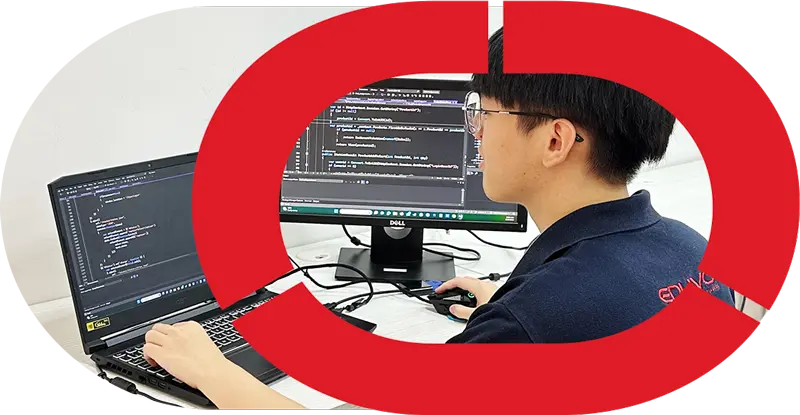


Is TVET Good for Students Who Don’t Like Theory?
TVET for students who don’t like theory can be a very suitable pathway because it focuses on hands-on training, real lab equipment, and practical skills that prepare learners for work-ready roles. For
Quick answer
TVET for students who don’t like theory can be a very suitable pathway because it focuses on hands-on training, real lab equipment, and practical skills that prepare learners for work-ready roles. For many Malaysian students, especially those who learn better by doing, TVET offers a structured and supportive route into IT without relying only on theory-heavy study.
Key Takeaways
- TVET Malaysia suits learners who understand better through practice, tasks, and real-world application.
- A practical course after SPM Malaysia can be a good option for students seeking a skills-based course Malaysia path.
- Eduvo Academy offers no SPM requirement options for age 16 and above, with one-year programme pathways in IT Support and Software Engineering.
- Students can explore hands-on training, Action Learning, German Ausbildung-inspired training, internship pathway, and clear IT Support pathway or Software Engineering pathway options.

Many students and parents wonder whether TVET is a good choice when theory-based classes feel difficult or unmotivating. The honest answer is yes: for the right learner, it can be a practical and confidence-building route that focuses on doing, building, and applying skills in real settings. In this guide, you will learn how TVET works for students who prefer hands-on learning, what it means for school leavers and career changers in Malaysia, and how Eduvo Academy supports learners through practical training, real lab equipment, and career-focused pathways at Sunway Velocity Kuala Lumpur.
Is TVET Good for Students Who Don’t Like Theory?
Yes — TVET can be a strong fit for students who struggle with theory-heavy lessons, especially when they learn best by doing, fixing, building, and testing. It is not a sign of weakness; it usually means the student has a more practical learning style.
For many learners, TVET for students who don’t like theory works because the learning is structured around tasks rather than long lectures. In a Malaysia context, this can be especially helpful for school leavers who want a practical course after SPM Malaysia and prefer a skills-based course Malaysia route that feels more relevant to real work.
What TVET means in simple terms
TVET stands for Technical and Vocational Education and Training. In plain language, it is education that teaches job-related skills through practice. Instead of only memorising concepts, students may learn by:
- handling real tools or real lab equipment
- completing guided projects
- solving workplace-style problems
- practising step by step until the skill becomes familiar
This approach can reduce stress for students who feel lost in purely academic classes, because the lesson is connected to action. A learner may understand computer support faster by setting up devices, troubleshooting errors, and following a process than by reading theory alone.
Why this can build confidence
A student who does not enjoy theory may still do very well in a practical environment. When they can see progress through completed tasks, they often gain confidence faster. That matters for parents too, because confidence can improve attendance, motivation, and willingness to keep learning.
For example, a student interested in IT may find it easier to learn network basics by configuring equipment in a lab than by only studying diagrams. That is where the provider’s Professional Diploma in IT Support and Professional Diploma in Software Engineering pathways can help, because the learning is built around hands-on training, Action Learning, and German Ausbildung-inspired training.
A realistic option, not a shortcut
TVET is not about avoiding effort. Students still need discipline, practice, and consistency. But for learners who dislike long theory sessions, it can be a more natural way to study and grow.
At Eduvo Academy in Sunway Velocity Kuala Lumpur, learners age 16 and above can explore a one-year programme with an internship pathway, whether they prefer the IT Support pathway or the Software Engineering pathway. For students who want a practical start without an SPM requirement, this route can be a sensible first step into structured skills development.
What Does TVET Mean in Simple Terms?
TVET means Technical and Vocational Education and Training. In simple terms, it is a learning path that focuses on practical skills, real-world tasks, and job-related knowledge instead of relying only on textbook study.
Practical skills first
TVET is built around doing, not just reading. Students learn by handling equipment, completing assignments, solving work-style problems, and practising the skills they are expected to use later in the workplace. That is why it is often a good match for learners who prefer clear instructions, visible progress, and skill-building they can apply immediately.

For example, in IT-related training, a student may learn how hardware works by opening devices, identifying parts, and troubleshooting faults rather than only memorising definitions. In a Professional Diploma in IT Support, that could mean learning device setup, basic network support, and system maintenance through guided practice. If a learner wants to go further, the Professional Diploma in Software Engineering can introduce coding and project work in a more applied way. For a broader overview of study options, readers can also see TVET IT course Malaysia: Complete 2026 Guide.
Learning through real tasks
A good TVET programme usually combines classroom explanation with real tasks, so students understand both the “why” and the “how.” At the provider in Sunway Velocity Kuala Lumpur, this approach includes Action Learning, German Ausbildung-inspired training, and an internship pathway that helps students connect lessons to actual workplace expectations.
This matters because practical learning is easier to remember when students can see the result of their work. If a student configures a device correctly, writes a working piece of code, or completes a troubleshooting task, the outcome is immediate. That kind of learning can feel more meaningful than studying theory alone, especially for students who learn best through movement, repetition, and real application.
Why this matters for career readiness
TVET is not only about gaining knowledge; it is about building confidence and readiness for entry-level work. A skills-based course in Malaysia can help students develop habits such as following instructions, meeting deadlines, working in teams, and adapting to real workplace routines. These are important in many industries, especially in IT support and software development.
According to the Department of Statistics Malaysia, youth labour force participation was 71.3% (Department of Statistics Malaysia, 2023), which shows why practical preparation can be valuable for young people thinking about their next step. For students age 16 and above, this kind of pathway can offer structure, clear progression, and a more hands-on route into future study or work.
TVET vs Theory-Heavy Learning: Which Style Fits You Better?
TVET can be a better fit for students who learn by doing, while theory-heavy study may suit those who enjoy reading, memorising, and analysing concepts first. The right choice depends on how a student absorbs information, stays motivated, and performs best in class.
| Column | Column |
|---|---|
| Learning style | Theory-heavy learning focuses on lectures, notes, and abstract concepts first. A vocational route uses demonstrations, repetition, and task-based practice, which can be easier for students who need to see how something works before it makes sense. |
| Classroom experience | In a theory-heavy setting, students may spend more time listening and writing. In a practical course after SPM Malaysia, learners often move quickly into lab work, guided exercises, and problem-solving tasks that feel more active and concrete. |
| Assessment | Theory-based programmes often rely heavily on exams and written explanations. A skills-based course Malaysia usually includes projects, practical tests, and competency checks, so students are assessed on what they can actually do. |
| Student fit | Students who enjoy reading and academic debate may prefer theory-first study. Students who feel more confident with devices, tools, software, and step-by-step tasks may find a practical route more natural and less stressful. |
Not liking theory does not mean a student is weak or incapable. It often means the student has a different learning preference, and that is completely normal. Some young people understand ideas best only after they have touched the equipment, tried the task themselves, and seen the result.
For example, a learner may struggle to understand networking from a textbook alone, but quickly grasp it after configuring cables, checking connections, and testing a live setup. Another student may find programming easier when they build small applications in a lab rather than starting with long explanations. That is where Professional Diploma in IT Support and Professional Diploma in Software Engineering can feel more accessible, because the learning is structured around doing.
Eduvo Academy in Sunway Velocity Kuala Lumpur uses Action Learning and German Ausbildung-inspired training to connect classroom lessons with real lab equipment and an internship pathway. It also offers a one-year programme structure for learners age 16 and above, including the Professional Degree in Information Technology and Professional Degree in Software Engineering pathways, so students can choose an IT Support pathway or Software Engineering pathway based on their interests and strengths.
For parents, the key question is not whether a child “likes theory enough,” but whether the learning environment helps them grow with confidence. If a student is more engaged by practical tasks, a vocational route may be a more suitable and encouraging starting point.
Which Eduvo Academy Pathway Suits a Practical Learner?
For a student who prefers doing over lengthy reading, the best fit is usually the pathway that turns lessons into real tasks quickly. At this provider in Malaysia, the most suitable options are the IT Support pathway and the Software Engineering pathway, because both are built around practical work, not just classroom notes.
IT Support pathway
This pathway is a strong match for students who enjoy fixing problems, setting up devices, and learning how systems work in the real world. It suits learners who are patient, curious, and comfortable with troubleshooting step by step.
| Column | Column |
|---|---|
| Best for | Students who like computers, devices, networks, and solving technical issues |
| What students do | Set up equipment, test connections, support users, and practise common IT tasks |
| Learning style | More practical than lecture-heavy, with repeated practice and guided tasks |
| Good outcome | A clearer entry point for beginners who want a structured start in IT |
If a student wants a clearer beginner route into technical support, How to Become an IT Technician in Malaysia: 2026 Guide is a useful next read. The IT Support pathway is especially helpful for learners who gain confidence by handling real equipment and seeing immediate results from their work.
Software Engineering pathway
This pathway suits students who prefer building things, such as simple apps, websites, or software features. It is a better fit for learners who enjoy logic, creativity, and solving problems through code, especially when they can test ideas in a lab instead of only reading theory.
| Column | Column |
|---|---|
| Best for | Students who enjoy coding, building digital solutions, and structured problem-solving |
| What students do | Write code, test functions, improve projects, and learn how software is developed |
| Learning style | Project-based, with practical exercises and hands-on application |
| Good outcome | A pathway for students who want to turn interest in technology into usable skills |
No-SPM route for students aged 16 and above
This is important for families who want a practical course after SPM Malaysia alternatives, or for students who are ready earlier and want a skills-based course Malaysia option without waiting for a traditional academic track. The provider also offers a no SPM requirement entry route for age 16 and above, which makes it more accessible for learners whose strengths show up in practical settings rather than exam-heavy ones.
For students who want an early start, the one-year programme structure can be appealing because it keeps learning focused and purposeful. In simple terms, the IT Support pathway is best for hands-on troubleshooting, while the Software Engineering pathway is better for students who want to build and code. Both can help practical learners grow with confidence through real tasks, guided practice, and a clearer connection between study and career direction.
How to Know If TVET Is the Right Fit for You
Yes — this can be a strong option if you learn best by doing, prefer clear tasks, and feel more confident with projects than long lectures. It is not about being “bad at study”; it is about matching the course to your learning style and strengths.
A good way to judge your fit is to look at how you usually learn and solve problems. If you stay focused when you can build, test, fix, and improve something step by step, a practical route may suit you better than a theory-heavy one. That is one reason many families consider TVET Malaysia options when choosing a practical course after SPM Malaysia or an earlier skills-based course Malaysia pathway.
Student-fit checklist
- You enjoy learning by doing, not only by reading or memorising.
- You are willing to practise the same skill more than once until it becomes easier.
- You can follow instructions carefully and stay disciplined with attendance, deadlines, and lab work.
- You do not mind working on projects, presentations, or simple technical tasks.
- You want a course that connects study with real workplace expectations.
The provider’s Professional Diploma in IT Support and Professional Diploma in Software Engineering are built around this kind of learner profile. The learning flow is practical, structured, and suitable for students aged 16 and above, including those looking for a no SPM requirement route. For learners who want a clearer pathway, the one-year programme can help them build momentum without feeling stuck in purely academic study.
If you are comparing options, also ask yourself whether you prefer troubleshooting, configuring, and supporting systems, or whether you enjoy creating apps, writing code, and improving digital solutions. Those questions can point you toward the IT Support pathway or the Software Engineering pathway. Both use hands-on training, real lab equipment, and Action Learning so students can practise skills in a guided setting. The German Ausbildung-inspired training approach and internship pathway also help learners connect classroom work with practical exposure.
For parents, the key question is simple: does your child become more engaged when learning is active, concrete, and project-based? If yes, this route may be a better fit than a lecture-first one.
If that sounds like your child or you, explore Eduvo Academy at Sunway Velocity Kuala Lumpur and see how its practical IT programmes can support the next step. JOIN US NOW.
Frequently Asked Questions
What is TVET in simple terms?
Is TVET good for students who don’t like theory?
Does not liking theory mean a student is weak?
Can weak SPM students still choose TVET?
Who is TVET best suited for?
References
- OECD — Vocational education and training (VET) — OECD — Vocational education and training (VET)
- OECD — OECD Reviews of Vocational Education and Training — OECD — OECD Reviews of Vocational Education and Training
- World Bank — Tertiary Education and Skills | What is TES — World Bank — Tertiary Education and Skills | What is TES
- World Bank — Tertiary Education | World Bank Group — World Bank — Tertiary Education | World Bank Group
- UNESCO-UNEVOC — International Centre for Technical and Vocational Education and Training (TVET) — UNESCO-UNEVOC — International Centre for Technical and Vocational Education and Training (TVET)


