


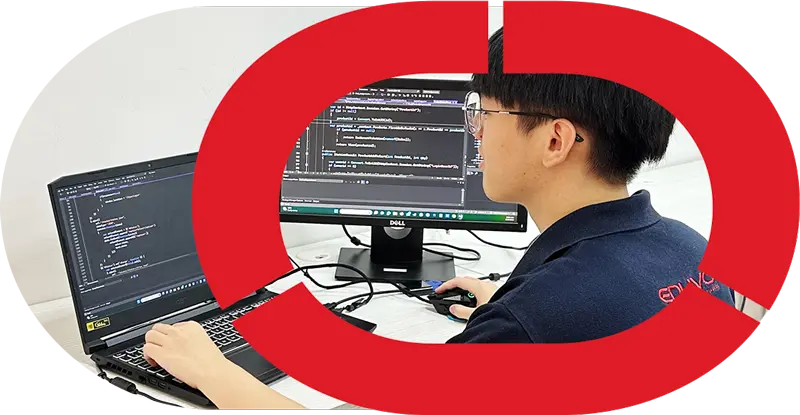


TVET vs University Malaysia: Which Path Is Better for IT Students?
TVET vs University Malaysia is not about one being universally better; it is about fit. For IT students who want hands-on skills, faster entry, and practical training, TVET can be a strong option. For
Quick answer
TVET vs University Malaysia is not about one being universally better; it is about fit. For IT students who want hands-on skills, faster entry, and practical training, TVET can be a strong option. For students who want deeper theory, longer academic progression, and broader postgraduate pathways, university may be more suitable.
Key Takeaways
- TVET IT Malaysia is often a good fit for students who prefer practical, lab-based learning and faster career preparation.
- University IT degree Malaysia may suit students who want stronger theory, wider academic progression, and postgraduate options.
- TVET IT diploma pathways can be especially relevant for SPM leavers, weak SPM results, age 16 and above, and career changers.
- Eduvo Academy’s one-year IT programmes, including Professional Diploma in IT Support, Professional Diploma in Software Engineering, Professional Degree in Information Technology, and Professional Degree in Software Engineering, show how a job-ready TVET-style route can work in Malaysia.

This guide gives parents and students a clear, balanced way to compare TVET vs University Malaysia for IT studies in 2026. It explains when a hands-on route with real lab equipment, Action Learning, German Ausbildung-inspired training, market-aligned curriculum, and an internship pathway may be the better fit, and when a university route may be more suitable for deeper theory and longer academic progression. It also uses Eduvo Academy as a local example, with programmes designed for learners in Kuala Lumpur and the Klang Valley who want practical IT training and a structured path forward.
TVET vs University Malaysia: Which Path Is Better for IT Students?
For many learners, TVET is the better fit if the goal is practical IT skills, faster entry into the workforce, and structured job preparation. A university route may be better for students who want deeper theory, a broader academic experience, and future postgraduate study.

In the TVET vs University Malaysia comparison, the key difference is how students learn and what they are preparing for. TVET IT Malaysia usually focuses on applied learning, so students spend more time using real lab equipment, solving workplace-style tasks, and building confidence through Action Learning. That makes a TVET IT diploma especially relevant for students who want a clearer bridge into entry-level IT roles, including those with no SPM requirement, age 16 and above, or weaker SPM results.
By contrast, a university IT degree Malaysia is often a stronger choice for students who enjoy theory, research, and a longer academic journey. It can also be useful for those who want more flexibility for postgraduate options later on. For example, the academy’s Professional Diploma in IT Support and Professional Diploma in Software Engineering are designed as one-year IT programmes with an internship pathway, while the Professional Degree in Information Technology and Professional Degree in Software Engineering support learners who want a more advanced vocational route.
For parents and students, the most practical question is not which path is “better” in general, but which path matches the student’s strengths, pace, and career goals. If the student wants hands-on training, market-aligned curriculum, and a direct route into IT Support vs Software Engineering, TVET may be the more suitable choice.
What Is the Difference Between TVET and University for IT Studies?
The main difference is simple: vocational IT pathways focus on practical job-ready skills, while university IT degrees focus more on theory, academic depth, and longer study timelines. For students deciding between these routes, the better option depends on whether they want faster workplace readiness or a more academic journey.
TVET in simple terms
TVET is a skills-based route built around workplace tasks, lab practice, and industry-relevant learning. In this pathway, students learn by doing, which suits learners who want a clearer connection between class content and real IT work. At the academy, this can include the Professional Diploma in IT Support, where students train with real lab equipment, industry-style tasks, and Action Learning in a market-aligned curriculum.
University in simple terms
A university IT degree Malaysia usually places more emphasis on concepts, research, and broader academic development. Students may study programming theory, systems analysis, and computing foundations in a more classroom- and lecture-based format. This can be a strong fit for learners who enjoy reading, writing, and a longer academic progression.
How this affects IT students
| Column | Column |
|---|---|
| Duration | TVET often offers one-year IT programmes; university degrees usually take longer. |
| Entry requirements | Some TVET routes have no SPM requirement and may accept age 16 and above; university entry is usually more academic. |
| Learning style | TVET is practical and task-based; university is more theory-led. |
| Practical training | TVET includes hands-on training and real lab equipment; university may include labs, but usually with less workplace simulation. |
| Internship exposure | TVET commonly includes an internship pathway; university exposure varies by programme. |
| Cost | TVET is often more accessible for students seeking a shorter, more direct route. |
| Recognition | Both are recognised pathways in Malaysia, including under JPK Malaysia and Skills Malaysia frameworks where applicable. |
| Career readiness | TVET is designed for faster workplace preparation, especially for IT Support vs Software Engineering pathways. |
For students who want a focused start, this pathway can be especially practical because it connects learning to real job tasks early, rather than waiting until the final years of study.
TVET vs University for IT Students in Malaysia: A Side-by-Side Comparison
For many IT students, the better choice depends on learning style and goals: vocational training is often stronger for fast, practical job preparation, while a university route may suit students who want deeper theory and a longer academic path. In Malaysia, both can lead to solid careers, but they serve different kinds of learners.

Duration and entry requirements
| Column | Column |
|---|---|
| TVET IT route | Often offers one-year IT programmes, with some pathways accepting students with no SPM requirement and age 16 and above. |
| University IT degree route | A university IT degree in Malaysia usually takes longer and is typically more academic at entry, with broader admission requirements. |
| Best fit | TVET suits students who want a quicker start; university suits those planning for extended study or postgraduate options. |
Practical exposure and portfolio building
TVET IT Malaysia programmes usually emphasise Action Learning, German Ausbildung-inspired training, and market-aligned curriculum design. That means students spend more time solving real tasks, using real lab equipment, and building practical outputs that can support a portfolio. The academy’s Professional Diploma in IT Support and Professional Diploma in Software Engineering are designed around these applied skills, with an internship pathway that helps students understand workplace expectations early.
Cost, recognition, and career readiness
| Column | Column |
|---|---|
| Cost | Vocational routes are often more accessible because the study period is shorter and more focused. |
| Recognition | Both pathways are recognised in Malaysia; vocational routes may align with JPK Malaysia and Skills Malaysia frameworks where applicable. |
| Career readiness | TVET can be especially useful for IT Support vs Software Engineering because students train for job tasks earlier. |
| Student outcomes | This pathway highlights 99% employment rate and over 500 graduates as its published outcome figures. |
Practical decision guide
If a student wants a Professional Degree in Information Technology or Professional Degree in Software Engineering, university may feel more familiar. If the priority is hands-on training, faster entry, and a clearer connection to workplace skills, a TVET IT diploma can be the more practical route. For families comparing options in Klang Valley, including Sunway Velocity Kuala Lumpur, the key is matching the programme to the student’s readiness, goals, and learning style. Contact Eduvo to find the right fit.
What Are Eduvo Academy’s 1-Year IT Pathways?
Eduvo Academy’s 1-year IT pathways are short, career-focused programmes designed to help students build practical skills quickly and move into entry-level IT roles with confidence. They suit learners who want a faster, more applied route than a traditional university IT degree Malaysia path.
- Professional Diploma in IT Support: This route prepares students for day-to-day technical support work, including troubleshooting, device setup, user assistance, and basic system maintenance. It is a strong fit for students who want a TVET IT diploma with clear workplace relevance.
- Professional Diploma in Software Engineering: Students learn how software is planned, built, tested, and improved through project-based learning. The pathway supports those who want to enter development-focused roles with a practical foundation rather than a purely theory-heavy start.
- Professional Degree in Information Technology: This programme is built for learners who want a broader IT foundation while still keeping the learning applied and industry-aware. It can be a useful next step for students who want to continue into Professional Degree in Information Technology with a structured pathway.
- Professional Degree in Software Engineering: This option is suited to students aiming to deepen software development skills, strengthen problem-solving, and prepare for more advanced technical responsibilities.
Across these programmes, the academy uses Action Learning, German Ausbildung-inspired training, market-aligned curriculum, and real lab equipment to support hands-on training. The pathways are open to learners age 16 and above, and some routes may be available with no SPM requirement, making them accessible for SPM leavers, students with weak results, and career changers in Klang Valley and beyond. Published outcome figures include 99% employment rate and over 500 graduates.
Who Should Choose TVET, and Who Should Choose University?
If you want practical IT skills and a faster route into work, the vocational pathway is often the better fit. If you prefer deeper theory, a more academic environment, and a longer study journey that may support postgraduate options later, a university route may suit you better.
Best fit for TVET learners

This pathway is usually a strong match for SPM leavers, students with weaker results, and learners who want a more direct start in the IT field. It can also suit those who prefer structured practice over long lectures, especially when choosing a TVET IT diploma or one-year IT programmes that focus on job-ready skills.
A good fit if you:
- Learn best by doing, building, and troubleshooting
- Want to enter the workforce sooner
- Prefer hands-on training with real lab equipment
- Are interested in roles such as IT Support vs Software Engineering and want to understand the difference early
- Need a route that may accept learners age 16 and above, including options with no SPM requirement
- Value an internship pathway and industry exposure through Action Learning
- Want a market-aligned curriculum connected to JPK Malaysia and Skills Malaysia
For many families, this route feels practical because it supports early skill-building without waiting several years for a degree.
Best fit for university learners
A university IT degree Malaysia pathway is often better for students who enjoy academic study, research, and broader theoretical depth. It may also suit learners who want a traditional campus experience and may later consider postgraduate study.
This option can be a stronger match if you:
- Prefer essays, exams, and theory-led learning
- Want a wider academic foundation before specialising
- Are planning for advanced study in the future
- Feel comfortable with a longer study timeline
Where career changers fit in
Career changers often do well in practical IT pathways because they want focused retraining and clearer entry points. For adults in Klang Valley, especially around Sunway Velocity Kuala Lumpur, a programme such as Professional Diploma in IT Support or Professional Diploma in Software Engineering can offer a more direct way to rebuild skills with practical support.
The academy’s published outcomes include 99% employment rate (Eduvo Academy, 2026) and over 500 graduates (Eduvo Academy, 2026), which may reassure parents and adult learners looking for a structured, career-focused option. If you want a clear next step, contact Eduvo and ask which pathway best matches your background and goals.
IT Support vs Software Engineering: Which Path Fits You Better?
IT Support is usually the better fit if you like solving immediate problems, helping people, and working with systems, devices, and networks. Software Engineering suits students who enjoy building apps, writing code, and creating digital solutions from the ground up.
What IT Support involves

Professional Diploma in IT Support is often more service-oriented and operational. Students learn troubleshooting, hardware setup, operating systems, basic networking, cybersecurity awareness, and user support. In a market-aligned curriculum, this can lead to tasks like resetting accounts, fixing laptops, setting up office systems, and assisting teams when tech issues interrupt work. The academy’s Action Learning approach and real lab equipment help students practise these tasks in realistic settings, which is useful for learners who want to build confidence step by step.
What Software Engineering involves
Software Engineering is more code-heavy and project-based. Learners spend more time on programming logic, testing, version control, and building applications that solve business or user needs. If you enjoy structured problem-solving and want to create software rather than support it, this pathway may suit you better. Students who want a deeper progression route can also explore Professional Degree in Software Engineering, especially if they are aiming for a more advanced technical track.
How to choose between them
| Column | Column |
|---|---|
| IT Support | Best for students who prefer practical troubleshooting, direct user interaction, and faster entry into support roles. |
| Software Engineering | Best for students who enjoy coding, building systems, and working on long-term digital products. |
| Learning style | IT Support leans toward hands-on training and guided practice; Software Engineering leans toward logic, coding exercises, and project work. |
| Likely fit | IT Support often suits students who want a clearer start in the field; Software Engineering often suits learners who want to specialise in development. |
For many students, the choice comes down to whether they want to support technology or build it.
Is TVET Better Than University for IT? A Parent-Friendly Decision Guide
For many students, practical IT training can be the better first step if they want faster entry into the workforce and a clearer skills-based path. University may be the better fit for students who prefer deeper theory, broader academic study, and a longer route with postgraduate options.
#
What Career Outcomes Can Malaysian IT Students Expect?
Malaysian IT students can expect a range of entry-level technical roles, with practical programmes often helping them move into work sooner, while university routes may lead to broader academic and specialist pathways. The right outcome depends on whether the student wants job-ready skills first or a longer academic foundation.
Realistic career paths
For students choosing a TVET IT diploma, common starting roles include IT support, helpdesk, junior software tester, junior web developer, and technical assistant. The academy’s Professional Diploma in IT Support and Professional Diploma in Software Engineering are designed to match these early-career roles through market-aligned curriculum, Action Learning, and German Ausbildung-inspired training. Students who continue later can also progress into a Professional Degree in Information Technology or Professional Degree in Software Engineering pathway. For families comparing options, can help clarify how the programme structure supports progression.
Salary considerations in Malaysia
Salary outcomes in Malaysia vary by role, location, and experience, so it is better to think in terms of growth rather than fixed numbers. Entry-level IT support roles often start lower than software development roles, but practical experience, certifications, and portfolio work can improve earning potential over time. For parents and students, the key point is that career progression is usually tied to skills demonstrated on the job, not just academic results.
Why practical skills matter
Employers value graduates who can troubleshoot, communicate clearly, and work with real systems and real lab equipment. That is especially important for students entering one-year IT programmes, learners with no SPM requirement concerns, or those aged 16 and above who want a faster start. In Malaysia, practical training also aligns well with JPK Malaysia and Skills Malaysia expectations, because it focuses on workplace relevance, internship pathway readiness, and measurable competence.
Why Eduvo Academy’s TVET Approach Appeals to Practical Learners
For students who learn best by doing, this pathway is a strong fit because it turns IT concepts into workplace-ready skills from day one. It is especially appealing for learners who want a clearer route into entry-level tech roles without waiting through a longer academic track.
Hands-on training and real lab equipment
The academy’s Professional Diploma in IT Support and Professional Diploma in Software Engineering are built around practical sessions, not just lectures. Students work with real lab equipment, guided exercises, and task-based learning that helps them understand how systems, software, and troubleshooting work in real settings.
This matters for SPM leavers, students with weak SPM results, and even those without SPM who still want a structured start in IT. The focus is on building confidence step by step, so learners can practise, make mistakes, and improve in a supportive environment.
Action Learning and internship pathway
The programme uses Action Learning, which means students apply what they learn through projects, problem-solving, and practical assignments. That approach supports an internship pathway, so learners can connect classroom knowledge with workplace expectations more naturally.
For families comparing IT Support vs Software Engineering, this also helps students see which direction suits them better: support roles often suit those who enjoy troubleshooting and user help, while software engineering suits learners who like logic, coding, and building systems.
German Ausbildung-inspired model
The German Ausbildung-inspired training model combines structured learning with real-world application, making it a practical choice for students who want a market-aligned curriculum. It is designed for age 16 and above learners, including those considering one-year IT programmes and a faster entry into the workforce.
This pathway helps students build confidence through practical learning, so they are better prepared for study, internships, and the workplace.
With a track record of 99% employment rate and over 500 graduates, the academy shows how a skills-first model can support long-term readiness. If you want to explore the right fit, contact Eduvo and ask how this route compares with a university IT degree Malaysia option.
Frequently Asked Questions
Does my child learn best by doing or by reading?
Is the goal to start work sooner?
Is the pathway suitable for weaker results or no SPM?
How to judge readiness and motivation?
When to consider practical training first?
References
- Kementerian Pendidikan Malaysia — TVET — Kementerian Pendidikan Malaysia — TVET
- Malaysian Qualifications Agency (MQA) — Malaysian Qualifications Framework (MQF) 2nd Edition — Malaysian Qualifications Agency (MQA) — Malaysian Qualifications Framework (MQF) 2nd Edition
- Department of Skills Development (Jabatan Pembangunan Kemahiran) — Official Portal — Department of Skills Development (Jabatan Pembangunan Kemahiran) — Official Portal
- Ministry of Higher Education Malaysia — Malaysia Education Blueprint 2015–2025 (Higher Education) — Ministry of Higher Education Malaysia — Malaysia Education Blueprint 2015–2025 (Higher Education)
- TVET 2020 / MQA — Single Quality Assurance System for TVET — TVET 2020 / MQA — Single Quality Assurance System for TVET


