


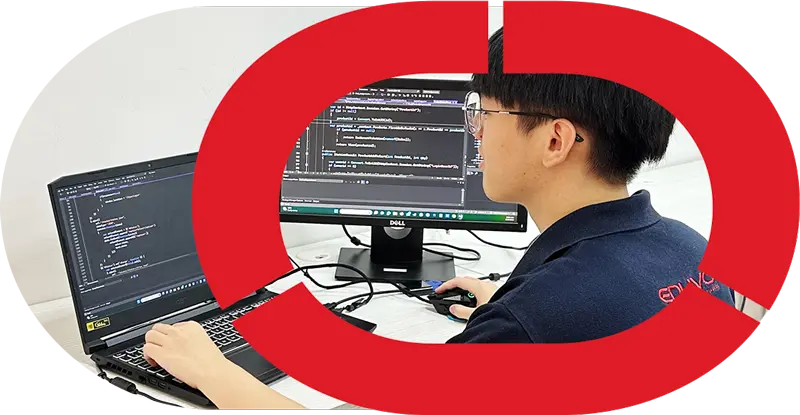


What to Study After SPM If Results Are Bad Malaysia
What to Study After SPM If Results Are Bad Malaysia: choose a practical, skills-based pathway such as a one-year programme that builds job-ready IT abilities, even if you have bad SPM results, failed
Quick answer
What to Study After SPM If Results Are Bad Malaysia: choose a practical, skills-based pathway such as a one-year programme that builds job-ready IT abilities, even if you have bad SPM results, failed some subjects, or no SPM requirement concerns. For students age 16 and above, a hands-on route like Eduvo Academy can lead into IT Support, Software Engineering, and further study options.
Key Takeaways
- Bad SPM results do not have to stop your education or career plans.
- A one-year programme can offer a faster, practical route into IT.
- Look for hands-on training, real lab equipment, and an internship pathway.
- Eduvo Academy offers market-aligned, German Ausbildung-inspired training for IT Support and Software Engineering.

If you are wondering what to do next after weak SPM results, this guide gives a calm and practical path forward for students and parents. It explains realistic options for those with bad SPM results, failed subjects, or no SPM requirement concerns, and shows how skills-based training can open doors in IT. You will also learn how Eduvo Academy’s one-year, hands-on, internship-linked model supports students through Action Learning, real lab equipment, and market-aligned curriculum.
What to Study After SPM If Results Are Bad Malaysia: Direct Answer
If your SPM results are weak, you can still move forward by choosing a practical, skills-based route such as IT Support, Software Engineering, or a TVET-style diploma. For students searching for What to Study After SPM If Results Are Bad Malaysia, the clearest answer is to look for a programme that accepts bad SPM results, supports age 16 and above learners, and focuses on job-ready skills rather than only exam marks.
Why weak results are not the end
Bad SPM results do not define a student’s future. They usually mean the student needs a different learning route, not that education is over. In Malaysia, this is where a one-year programme can be useful: it gives a faster start, practical exposure, and a clearer path into technical fields without waiting years before building real skills.
A strong option is Professional Diploma in IT Support, especially for students who want to learn troubleshooting, device setup, user support, and basic system maintenance. Another route is Professional Diploma in Software Engineering, which is better for learners who enjoy logic, problem-solving, and building applications. These programmes are designed around hands-on training, real lab equipment, and an internship pathway, so students can practise what they learn in a structured environment.
This pathway also suits families who want something more focused than a purely academic route. The academy uses Action Learning, German Ausbildung-inspired training, and a market-aligned curriculum to help students connect classroom knowledge with workplace habits. Eduvo Academy also states a 99% employment rate and over 500 graduates, which may reassure parents looking for a practical education model, though students still need discipline and consistent effort to benefit from it.
Who should consider a practical pathway
This route is suitable if you:
- have bad SPM results or failed SPM subjects and still want a realistic next step
- want a no SPM requirement option for further learning
- are age 16 and above and prefer structured, guided training
- learn better through practice than long theory-heavy classes
- want a clearer IT Support pathway or Software Engineering pathway
- are looking for a programme linked to JPK Malaysia and Skills Malaysia standards
A practical course is not a shortcut around responsibility. Students still need attendance, maturity, and willingness to learn. But for the right learner, it can be a steady way to rebuild confidence and move toward further study or work in the Klang Valley, including Sunway Velocity Kuala Lumpur.
If you are ready to explore this route, contact the academy and JOIN US NOW.
What Are the Best Options After Bad SPM Results?
If your SPM results are bad, you still have several practical paths forward. The right choice depends on whether you want to try SPM again, build job-ready skills through TVET, or move into work while learning short technical courses on the side.
Retake SPM
Retaking SPM is usually the better option if your goal is to qualify for a specific academic route later and you know your results were affected by poor preparation, health, or personal issues. This path suits students who are willing to study again with a clearer plan, because it can improve subject grades and reopen more study options.
The main trade-off is time. You may spend another exam cycle focusing on the same subjects instead of moving straight into training. For some families, that is worth it; for others, it may delay career progress too much. If the student is still building discipline, a retake can also be a chance to develop better study habits before entering a more demanding programme.
TVET and skills-based study
For many students, TVET is the most practical answer after weak results because it focuses on employable skills rather than purely exam performance. This is especially useful for learners who want a no SPM requirement route, or who want to continue after failing SPM what to study Malaysia searches often lead them toward.
A strong example is Professional Diploma in IT Support, which is designed for students age 16 and above and can be completed as a one-year programme. It includes Action Learning, German Ausbildung-inspired training, market-aligned curriculum, hands-on training, and real lab equipment. Students can also follow an internship pathway that helps them understand workplace expectations before they graduate.
Other options include the Professional Diploma in Software Engineering, the Professional Degree in Information Technology, and the Professional Degree in Software Engineering. These are suitable for students who want a more structured technical route without relying only on exam scores. The academy also positions this pathway for learners in Kuala Lumpur and the Klang Valley who want a practical start in IT.
| Option | Suitability | Time | Likely outcome |
|---|---|---|---|
| Retake SPM | Best for students who want to improve exam grades | Around one exam cycle | More academic options later |
| TVET / technical diploma | Best for practical learners and career-focused students | Often shorter than traditional routes | Skills, portfolio, and workplace readiness |
| Skills-based IT courses | Best for students seeking a focused entry into IT | Short to medium term | Job-relevant technical foundation |
| Working immediately | Best for urgent income needs | Immediate | Experience, but fewer learning credentials |
Work first or take short courses
Some students need to work first because of family finances or personal circumstances. That can be a valid short-term plan, especially if combined with short technical courses that build digital, office, or support skills over time. This route is usually best for students who need income now but still want to return to study later.
However, working immediately without a learning plan can limit long-term growth. A short course or structured training programme helps turn work experience into a more useful stepping stone. For parents, the key question is not whether the student has “failed,” but whether the next step is realistic, disciplined, and supported.
If you want a guided route with structure and support, contact the academy and JOIN US NOW.
Which IT Path Is Better: IT Support or Software Engineering?
If you are comparing the two, the better choice depends on your strengths: IT Support suits students who prefer practical troubleshooting and people-facing work, while Software Engineering suits those who enjoy logic, coding, and building digital products. Both can be strong options for students with bad SPM results because the real question is fit, discipline, and long-term interest.
| Column | Column |
|---|---|
| IT Support | Software Engineering |
| Good for students who like fixing devices, setting up systems, and helping users | Good for students who enjoy coding, problem-solving, and creating applications |
| More focused on technical support, hardware, software setup, and user assistance | More focused on programming, development tools, testing, and building software solutions |
| Often a faster way to enter entry-level technical roles | Better for students willing to spend more time mastering coding and project work |
| Usually suits learners who want practical, step-by-step training | Usually suits learners who are comfortable with abstract thinking and continuous practice |
| Likely job direction: support technician, helpdesk, IT assistant, junior support role | Likely job direction: junior developer, software trainee, QA-related support, coding assistant |
Who should choose IT Support
IT Support is a good match if you are patient, practical, and like helping people solve everyday tech issues. In the academy’s Professional Diploma in IT Support, students build confidence through hands-on training with real lab equipment, so they learn how systems work in a realistic environment instead of only reading theory.
This pathway is especially helpful for students who want a clearer entry point after school, including those looking for a no SPM requirement route that still offers structure. It also fits learners who want to start with a more accessible technical foundation before moving into higher-level studies later. The programme uses Action Learning, a German Ausbildung-inspired training style, and a market-aligned curriculum so students can connect classroom learning with workplace expectations.
For parents, IT Support can feel more manageable because the learning path is often more gradual and practical. It also connects well to an internship pathway, which helps students understand workplace habits, communication, and responsibility.
Who should choose Software Engineering

Software Engineering is better for students who enjoy building things from scratch and do not mind spending time learning coding logic, debugging, and project development. The Professional Diploma in Software Engineering is a stronger fit for learners who want a deeper technical track and are prepared for regular practice, deadlines, and problem-solving.
This pathway can also lead to the Professional Degree in Software Engineering later, and for students who want a broader progression route, the academy also offers the Professional Degree in Information Technology. That makes it suitable for learners who want a longer-term plan, not just a short course.
If your child is considering failed SPM what to study Malaysia options, the key is not to choose based on fear. Choose based on learning style and commitment. Eduvo reports a 99% employment rate and more than 500 graduates, with training available in Sunway Velocity Kuala Lumpur and the wider Klang Valley. Its programmes are also aligned with JPK Malaysia and Skills Malaysia standards, which adds credibility for families looking for a structured TVET route.
If you want help deciding which pathway fits your child, contact Eduvo and JOIN US NOW.
How Eduvo Academy Helps Students Aged 16 and Above Build Career-Ready Skills
For students aged 16 and above, the academy offers a practical route into job-ready learning even when SPM results are weak. The focus is on structured skill-building, discipline, and clear progression, so learners can move forward with confidence.
Hands-on training and real lab equipment

Students learn in a setting that mirrors real workplace conditions, using real lab equipment instead of only reading theory. This matters for learners who may not thrive in exam-heavy environments, because they can practise, repeat, and improve through guided application.
The training style is designed to help students build confidence step by step. They are not expected to know everything on day one. Instead, they are coached to follow instructions, solve tasks, and develop the habits employers value, such as punctuality, teamwork, and responsibility.
Action Learning and internship pathway
The academy uses Action Learning, which means students learn by doing, reflecting, and improving through practical tasks. This approach helps learners connect classroom knowledge with real situations, making the learning more relevant and easier to understand.
There is also an internship pathway that gives students exposure to workplace routines and professional expectations. For parents, this is reassuring because it shows the programme is not just about classroom attendance; it is about preparing students for real work environments and helping them grow in maturity.
Programme options and progression
Students who want a focused entry route can start with the Professional Diploma in IT Support, a one-year programme designed for learners who are ready to begin with practical technical skills. For those who prefer a more advanced track, the Professional Diploma in Software Engineering builds deeper problem-solving ability and project-based learning.
The academy also supports longer-term progression through Professional Degree in Information Technology, as well as the Professional Degree in Software Engineering. This gives students a clear pathway instead of feeling stuck after a difficult SPM result.
The curriculum is market-aligned, so the skills taught are chosen with current industry needs in mind. It is also suitable for learners who want no SPM requirement pathways and are ready to learn seriously, especially those who are age 16 and above and willing to commit to attendance, practice, and steady improvement.
For families comparing TVET options, this pathway offers a structured alternative with practical training, progression, and support. It is a realistic choice for students who need a fresh start and are prepared to work for it. Contact Eduvo to learn more and JOIN US NOW.
How Can Parents Support a Child After Bad SPM Results?
A poor result can feel heavy, but parents can still help their child move forward with a calm, practical plan. The most useful support is emotional first, then a clear next step that matches the child’s strengths and readiness.
What to say and what to avoid
What should parents say first?
Start with reassurance: “This result does not define your future, and we will figure out the next step together.” That kind of response helps reduce shame and keeps the conversation focused on action instead of blame.
What should parents avoid saying?
Avoid comments that compare the child with siblings, friends, or cousins. Also avoid repeated reminders of failure, because that can make the student shut down instead of thinking clearly about next steps.
What practical support matters most?
Parents should help the child look at realistic options such as TVET, short technical training, or a one-year programme that builds work-ready skills. For example, Professional Diploma in IT Support and the Professional Diploma in Software Engineering are suitable for learners who want structured, practical learning after weak SPM results.
Parents should also remember that a student still needs discipline, attendance, effort, and maturity. Even with no SPM requirement routes, success still depends on showing up, completing assignments, and being willing to learn from mistakes. That is why a supportive home environment matters so much in the first few months.
How to guide the next decision
Should parents focus only on marks?
No. Parents should look at the child’s learning style, confidence level, and willingness to train for a career pathway. A student who struggles in exam-based subjects may still do well in a hands-on setting with real lab equipment, Action Learning, and market-aligned curriculum.
What should families ask before enrolling?
Ask whether the programme has an internship pathway, whether it uses German Ausbildung-inspired training, and whether it offers progression into longer-term study. It is also useful to ask about entry suitability for age 16 and above, especially if the child wants a fresh start after bad SPM results.
What outcomes can parents look for?
A good sign is a pathway that connects learning to industry exposure and practical skill development. The academy shares that its training model has supported over 500 graduates and a 99% employment rate, which can help families feel more confident when choosing a direction.
If your family is exploring a supportive, career-focused route after SPM, contact Eduvo to learn more about the academy’s practical training and JOIN US NOW.
Frequently Asked Questions
Can I still study after SPM if my results are bad?
What is the best course to take after bad SPM results in Malaysia?
Do I need good SPM results to join a skills-based programme?
Is a diploma still possible if my SPM results are weak?
How can I reassure my parents about my next step after bad SPM results?
References
- Malaysian Qualifications Register (MQR), Malaysian Qualifications Agency — Malaysian Qualifications Register (MQR), Malaysian Qualifications Agency
- Search for Qualifications, Malaysian Qualifications Agency — Search for Qualifications, Malaysian Qualifications Agency
- TVET Madani, National TVET Council Secretariat — TVET Madani, National TVET Council Secretariat
- MySPIKE v2, TVET Malaysia — MySPIKE v2, TVET Malaysia
- Ministry of Higher Education Malaysia, Malaysia Higher Education Blueprint — Ministry of Higher Education Malaysia, Malaysia Higher Education Blueprint


