


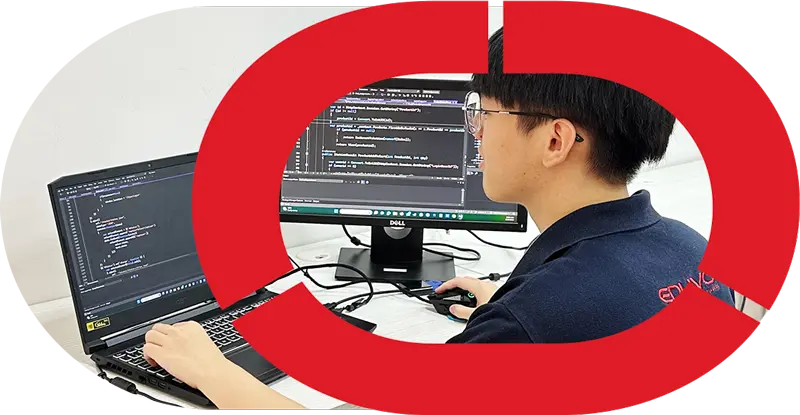


IT Support Career Malaysia: Job Scope, Salary and Pathway
IT Support Career Malaysia is a practical entry path into the tech industry for beginners who want to learn hardware, networking basics, operating systems, troubleshooting, and helpdesk support. With
Quick answer
IT Support Career Malaysia is a practical entry path into the tech industry for beginners who want to learn hardware, networking basics, operating systems, troubleshooting, and helpdesk support. With the right training, including hands-on lab work and internship exposure, it can lead to entry-level IT roles and a clear IT Support Career Path Malaysia.
Key Takeaways
- IT Support Career Malaysia is suitable for SPM leavers, students without SPM, career changers, and working adults.
- A Professional Diploma in IT Support can build practical skills in hardware, networking basics, troubleshooting, operating systems, and helpdesk support.
- Employers usually value hands-on experience, problem-solving ability, communication, and readiness to learn in real workplace settings.
- Eduvo Academy offers a one-year, market-aligned pathway with Action Learning, real lab equipment, German Ausbildung-inspired training, and internship exposure.

This practical, parent-friendly 2026 guide explains what IT support work actually involves, which entry-level roles are commonly available, and how salary expectations are usually framed in Malaysia. It also helps readers compare IT Support vs Software Engineering so they can choose a path that fits their interests and strengths. For beginners seeking a structured route, Eduvo Academy’s one-year programme focuses on hands-on hardware training, networking basics, troubleshooting, operating systems, helpdesk support, real lab equipment, Action Learning, and internship exposure.
What is IT Support Career Malaysia?
IT support is a practical tech career where you help people and companies keep computers, networks, devices, software, and workplace systems running. In simple terms, it is the job of solving everyday technology problems so work can continue smoothly.
Simple definition
In an Professional Diploma in IT Support, learners are trained for real workplace tasks such as setting up laptops and printers, checking network connections, managing user accounts, updating operating systems, and responding to helpdesk requests. In many Malaysian offices, IT support staff are the first point of contact when someone cannot log in, a device stops working, or a system needs basic maintenance.
This pathway is not only about fixing broken devices. It also teaches how to prevent small issues from becoming bigger ones, document problems clearly, and communicate calmly with users who may not be technical. That is why the curriculum usually combines troubleshooting, networking basics, operating systems, and helpdesk support with real lab equipment and internship exposure. For students considering IT Support Career Malaysia, this makes the role more structured and easier to understand before entering the workplace.
Who this career suits
This career suits SPM leavers, students with weaker SPM results, learners without SPM, career changers, and working adults who want a practical entry into tech. It can also suit parents looking for a clear, skills-based route for their children, especially when the programme has no SPM requirement and accepts age 16 and above.
It is also a good fit for people who prefer applied learning over theory-only study. The academy’s one-year programme uses Action Learning and German Ausbildung-inspired training, so students practise what they learn in a market-aligned curriculum instead of studying in abstraction. According to Eduvo Academy, the pathway has produced over 500 graduates and reports a 99% employment rate, which can help families understand the kind of outcomes the programme aims to support.
If you are comparing IT Support vs Software Engineering, IT support is usually more service-oriented and operations-focused, while software engineering is more code-heavy and development-focused.
What does an IT Support professional do?
IT support professionals keep everyday technology running smoothly for users and businesses. In simple terms, they solve computer, network, device, and software issues so work can continue with less interruption.
Daily responsibilities
A typical day may involve answering help requests, checking devices, and guiding users through basic fixes. The work is practical and structured, which is why the academy’s Professional Diploma in IT Support is designed around real workplace tasks.

Main job scope usually includes:
- troubleshooting computers
- setting up devices
- maintaining networks
- supporting users
- installing software
- checking hardware
- reducing downtime
For example, an IT support officer may help a staff member whose laptop cannot connect to Wi-Fi, install a printer for a new office workstation, replace a faulty cable, or reset access for a locked account. They may also update operating systems, check whether devices are running properly, and make sure basic security settings are in place.
Common workplace problems solved
Many issues are simple on the surface but disruptive in practice. A slow computer, a broken mouse, a failed login, or a network drop can stop a team from finishing its work. IT support staff often diagnose whether the problem is caused by hardware, software, user settings, or the network itself.
This is where real lab equipment and hands-on hardware training matter. Students learn by doing, so they can practise troubleshooting, networking basics, operating systems, and helpdesk support before entering a workplace. With Action Learning and German Ausbildung-inspired training, this pathway helps learners connect theory with realistic scenarios.
If you want to see how this training fits into a broader IT Support Career Path Malaysia, you can explore Professional Diploma in IT Support.
Why businesses need IT support
Businesses depend on technology for communication, files, customer service, and daily operations. When systems fail, productivity drops quickly. IT support helps reduce downtime, keep staff productive, and improve the user experience across departments. For employers, this role is not just technical support; it is part of keeping the whole workplace moving.
What jobs can you get with an IT Support qualification?
A qualification in this field can lead to entry-level roles in offices, schools, retail, service centres, and IT teams. Most graduates start in support positions where they handle daily technical issues, assist users, and keep systems running smoothly.
Entry-level roles

With the Professional Diploma in IT Support, learners can prepare for practical roles such as first-line support, device setup, and basic network assistance. This pathway is designed for students who want a job-ready start, including those with no SPM requirement and age 16 and above entry access.
| Role | Typical focus |
|---|---|
| IT support technician | Fixing common computer and device issues, installing software, and supporting users on-site |
| Helpdesk support | Answering user requests, logging tickets, guiding basic troubleshooting, and escalating complex cases |
| Computer technician | Repairing desktops, laptops, printers, and other office hardware |
| Junior network support | Checking network connections, helping with routers or switches, and reporting connectivity issues |
| Technical support assistant | Supporting internal staff with account access, devices, and system setup |
| Systems support assistant | Helping maintain workplace systems, updates, user access, and routine checks |
| Field support technician | Visiting client sites to install, test, or repair equipment |
These roles usually involve a mix of troubleshooting, setup, maintenance, and user support. A fresh graduate may begin by resetting passwords, replacing faulty parts, checking cables, updating operating systems, or helping staff use workplace tools correctly.
Where these roles work
Graduates may work in SMEs, corporate offices, managed service providers, schools, hospitals, government-linked organisations, retail chains, or technical service teams. Some roles are office-based, while others require site visits or support across multiple locations.
For parents and students comparing pathways, this is also where the difference between IT Support vs Software Engineering becomes clearer: support roles focus on keeping existing systems working, while software engineering is more about building applications and writing code. Both are valuable, but they suit different strengths and career interests.
This pathway is especially relevant for Malaysia’s growing digital workplaces, where employers need people who can respond quickly, communicate clearly, and handle real technical problems with confidence. The academy’s market-aligned curriculum, internship pathway, Action Learning, and German Ausbildung-inspired training are built to support that transition. According to Eduvo Academy, the programme has a 99% employment rate and over 500 graduates.
How much can IT Support graduates earn in Malaysia?
In Malaysia, entry-level support roles usually start around RM2,000 to RM3,000 a month, with higher pay possible as you gain certifications, experience, and responsibility. For many families, this makes it a practical first step into tech without needing a long academic route.
What salary range can a fresh graduate expect?
A fresh graduate entering helpdesk or junior support work may begin near the lower end of the market, especially in smaller companies or general office support roles. In larger organisations, pay can be higher when the role includes shift work, multi-site support, or exposure to business-critical systems.
What are the main salary factors?
Salary depends on the employer size, location, work scope, and technical skill level. Someone who can handle operating systems, networking basics, hardware setup, and troubleshooting confidently will usually be more valuable than someone who only knows one area. The programme’s Professional Diploma in IT Support is designed to build these job-ready foundations through market-aligned curriculum and real lab equipment.
What affects starting pay?
Starting pay is often shaped by whether the role is pure helpdesk support, on-site technical support, or a broader IT operations position. Internships also matter because they help students show practical readiness before full-time employment. If you want to compare long-term progression, you can also look at Professional Degree in Information Technology as a separate pathway for students who later want deeper academic advancement.
Salary factors
A stronger portfolio of practical work, internship exposure, and real lab practice can improve your chances of moving into better-paid roles over time. This is especially relevant for learners in a one-year programme with Action Learning and German Ausbildung-inspired training, because employers often value people who can adapt quickly in real workplaces.
What affects starting pay
For school leavers, adults changing careers, or students without SPM, the first salary should be viewed as a starting point rather than the final outcome. With consistent performance, support staff can progress into specialist, senior, or team lead roles as they build experience in troubleshooting, helpdesk support, and workplace systems.
Is IT Support better than Software Engineering for beginners?
Yes, for many beginners it is often the more practical starting point. If you prefer fixing real problems, learning how systems work, and building confidence through structured practice, this pathway can feel more accessible than jumping straight into software development.
IT Support vs Software Engineering

| Column | Column |
|---|---|
| IT support | Focuses on keeping computers, networks, printers, devices, and workplace systems running smoothly through troubleshooting, setup, and helpdesk support. |
| Software engineering | Focuses on designing, writing, testing, and maintaining code for applications, websites, or systems. |
| Day-to-day work | Resetting accounts, diagnosing hardware issues, checking connectivity, installing operating systems, and supporting users. |
| Day-to-day work | Writing code, fixing bugs, reviewing logic, and working with development tools and version control. |
| Learning style | Often suits students who learn well through Action Learning, real lab equipment, and step-by-step technical practice. |
| Learning style | Often suits students who enjoy abstract problem-solving, logic, and longer coding practice. |
| Entry point | A **Professional Diploma in IT Support** can suit learners aged 16 and above, including those with no SPM requirement. |
| Entry point | Software engineering usually needs stronger coding interest and more time spent building programming skills. |
For students who want a clear start, the academy’s market-aligned curriculum combines hands-on hardware training, networking basics, troubleshooting, operating systems, and helpdesk support in a one-year programme. That makes it easier to understand how workplaces actually run before deciding whether to specialise later. The pathway also includes an internship pathway, which helps learners see how support teams operate in real environments.
Which path fits which student
Choose IT support if you:
- Want a more practical route into tech.
- Prefer working with devices, systems, and users.
- Like learning through real lab equipment and guided practice.
- Want a pathway that can lead into operations, support, or infrastructure roles.
Choose software engineering if you:
- Enjoy coding and building digital products.
- Are comfortable spending more time learning programming languages.
- Want to focus on development, testing, and application logic.
For parents and students comparing options, the key difference is simple: support roles are about keeping technology working, while software roles are about creating new technology. Both are valuable, but they suit different strengths. Eduvo Academy has reported a 99% employment rate and over 500 graduates, which reflects strong industry relevance for learners who want a structured, career-focused start.
How does Eduvo Academy’s Professional Diploma in IT Support prepare you?
The Professional Diploma in IT Support is built to help students become workplace-ready through structured, practical learning. It prepares learners step by step for support roles by combining technical fundamentals, real lab practice, and industry exposure in a one-year programme.
Programme structure
For students aged 16 and above, including those without SPM, the pathway is designed to be accessible and progressive. The curriculum follows a market-aligned structure, so learners start with the basics and gradually move into more applied tasks. In simple terms, the programme helps you learn how to support day-to-day technology used in offices, schools, and service environments.
Hands-on learning approach
The academy uses Action Learning and German Ausbildung-inspired training so students learn by doing, not just by listening. This means you work with real lab equipment, solve guided scenarios, and repeat tasks until the process becomes familiar. That practical rhythm helps students understand how support teams operate in real workplaces, rather than only in theory.
If you are comparing this route with a more advanced technical track, you can also read about Professional Degree in Software Engineering to understand how the pathways differ.
Internship pathway
The internship pathway gives learners exposure to workplace routines, team communication, and basic support expectations. It is an important bridge between classroom learning and real job environments, especially for students who want confidence before entering the market. For parents, this also adds reassurance that the programme is not only academic, but practical and career-focused.
With a clear structure, real practice, and early exposure to workplace expectations, the academy supports learners who want a realistic start in tech. If you are ready to explore a practical and supportive route, JOIN US NOW and learn more about the institution’s training pathway.
Frequently Asked Questions
What does an IT Support job actually do in Malaysia?
Is IT Support Career Malaysia suitable for beginners with weak SPM results?
What skills do I need to start an IT Support Career Malaysia?
Can IT Support Career Malaysia lead to other tech jobs later?
Why do employers value hands-on training in IT Support Career Malaysia?
References
- MYFutureJobsGalaxy — MYFutureJobsGalaxy
- MYFutureJobs About Us — MYFutureJobs About Us
- Malaysia Standard Classification of Occupations (MASCO 2020) — Malaysia Standard Classification of Occupations (MASCO 2020)
- MyJobProfile: Cyber Security Professionals — MyJobProfile: Cyber Security Professionals
- PayScale: Software Support Specialist Salary in Malaysia — PayScale: Software Support Specialist Salary in Malaysia


