


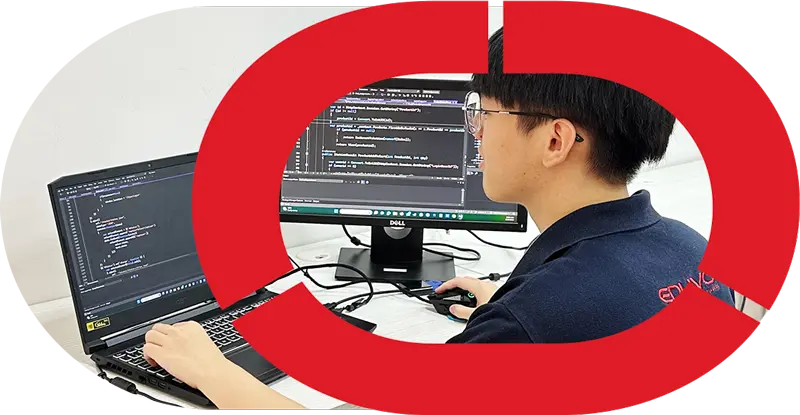


No SPM IT Course Malaysia: 2026 Guide for Students
No SPM IT Course Malaysia options do exist for students who want to enter the tech field through a skills-based route rather than a traditional academic pathway. At Eduvo Academy, eligible learners ag
Quick answer
No SPM IT Course Malaysia options do exist for students who want to enter the tech field through a skills-based route rather than a traditional academic pathway. At Eduvo Academy, eligible learners aged 16 and above can explore practical IT training through a one-year programme with hands-on learning, lab-based practice, and an industry-relevant pathway into IT support or software engineering.
Key Takeaways
- No SPM requirement routes can help students start IT training without strong academic results.
- Look for a course with hands-on training, real lab equipment, and an internship pathway.
- Eduvo Academy offers German Ausbildung-inspired training with Action Learning and a market-aligned curriculum.
- Suitable options include the Professional Diploma in IT Support, Professional Diploma in Software Engineering, Professional Degree in Information Technology, and Professional Degree in Software Engineering.

For many Malaysian students and parents, the main question is not whether IT is possible without strong SPM results, but which pathway is practical, credible, and skills-focused. Eduvo Academy offers a no-SPM entry route for students aged 16 and above, with training designed to build job-ready foundations through real lab equipment, hands-on learning, and an internship pathway. This guide explains what to look for in a no-SPM IT course, how the German Ausbildung-inspired model works, and how students can choose between the IT Support pathway and the Software Engineering pathway with confidence.
Can You Study an IT Course Without SPM in Malaysia?
Direct answer for students and parents
Yes — you can still study IT in Malaysia without strong SPM results if you choose a practical, skills-based route that accepts students based on interest, readiness, and willingness to learn. For students searching for a No SPM IT Course Malaysia option, the key is to find a pathway that focuses on training outcomes rather than only academic grades.

A good no-SPM route is not about lowering standards. It is about using a different entry model that gives students a fair chance to build competence step by step. In this kind of programme, students usually start with foundational digital skills, basic troubleshooting, communication practice, and guided project work before moving into more advanced areas. The academy’s one-year pathway is designed for age 16 and above, which makes it suitable for school leavers and young learners who want a structured start in tech.
Who can apply and what matters most
Students who do not have strong SPM results, students who want a more practical route, and parents looking for an alternative to purely exam-based progression can all consider an IT course without SPM Malaysia. What matters most is not only past grades, but also whether the student is ready to show up consistently, follow instructions, and complete hands-on tasks.
For this pathway, the most important selection factors are usually:
- age 16 and above
- genuine interest in technology
- willingness to learn through practice
- good attendance and punctuality
- basic communication and teamwork habits
- discipline to complete assignments and lab activities
This is especially relevant in a TVET setting, where learning is built around doing, not memorising. Students are expected to work with real lab equipment, participate in Action Learning, and stay engaged during practical sessions. That is why a no SPM requirement can still be meaningful: it opens the door, but the student’s effort determines how far they progress.
Why weak SPM results do not end the journey
Weak SPM results do not mean a student has no future in IT. They simply mean the student may need a more suitable entry point, one that matches how they learn best. A German Ausbildung-inspired training model supports this by combining classroom learning with workplace-ready practice, so students can grow confidence while building technical habits.
The academy’s market-aligned curriculum also helps students move through clear pathways such as the Professional Diploma in IT Support and the Professional Diploma in Software Engineering, before continuing into higher-level study options like the Professional Degree in Information Technology and the Professional Degree in Software Engineering. This matters because IT careers reward skill, consistency, and problem-solving ability — not just exam scores.
For families in Kuala Lumpur and the Klang Valley, this can be a practical route into structured training, with an internship pathway, JPK Malaysia recognition, Skills Malaysia alignment, and a track record of 99% employment rate and over 500 graduates. The message is simple: no SPM does not mean no future, but it does mean the student must be ready to learn seriously and build step by step.
What Should a No SPM IT Course Malaysia Include?
Yes — a good pathway should still let a student start IT without strong SPM results, but it must be structured, practical, and built for steady progress. The right programme should help a learner gain real skills, not just sit through theory.
Practical training and real lab equipment
A quality course should give students access to real lab equipment, guided practice, and a clear weekly routine. For example, a student should not only learn what a computer network is, but also practise setting up devices, troubleshooting common issues, and working through simple support tasks in a supervised environment.
The must-have features of a strong IT course without SPM Malaysia include:
- hands-on training
- Action Learning
- market-aligned curriculum
- internship pathway
- clear student support and progress checks
- practical assessments instead of theory-only learning
This is especially important for beginners who need confidence-building steps. A one-year programme can work well when it is focused and well paced, because students can learn core technical habits without feeling overwhelmed. A pathway such as the Professional Diploma in IT Support should show exactly what skills are taught, what tools are used, and how each module connects to workplace needs.
Instructor support and project-based learning
Students should also receive close guidance from instructors who can explain concepts in simple language and correct mistakes early. In a supportive classroom, learners build discipline through attendance, punctuality, teamwork, and communication — all of which matter in IT roles.
Project-based learning is another key sign of quality. Instead of memorising notes, students should complete practical tasks such as setting up user accounts, preparing support documentation, or building basic software features. This helps them understand how technical work is done in real situations.
A good programme should also welcome students aged 16 and above, while making expectations clear: no SPM requirement does not mean no effort is needed. Learners still need consistency, curiosity, and willingness to practise.
Internship pathway and career direction
A strong course should guide students from classroom learning to workplace exposure through an internship pathway. This gives them a clearer picture of how IT teams operate and what employers expect in terms of communication, problem-solving, and responsibility.
The academy’s German Ausbildung-inspired training approach supports this by combining learning and practice in a more career-focused structure. It is also useful when the programme offers clear direction into the IT Support pathway and the Software Engineering pathway, so students can choose based on interest and strengths.
For families comparing options in Sunway Velocity Kuala Lumpur and the Klang Valley, the question is not just whether a student can enter IT, but whether the course gives them a realistic, structured path forward.
No SPM IT Course vs University vs Self-Learning: What’s the Difference?
Yes — a practical IT course can still be a strong option even if a student does not have strong SPM results. The main difference is not whether someone can “start IT,” but how structured the path is, how much support they receive, and how quickly they build job-ready skills.
Entry requirement and duration
A skills-based route is usually more accessible because it is designed for students with a no SPM requirement mindset, especially those who want a clear start in tech without waiting for a traditional academic pathway. At the academy, the one-year programme is built for learners aged 16 and above, making it a faster entry point for students who are ready to begin practical training.
By comparison, a university route often has stricter academic entry conditions and a longer timeline. Self-learning has the lowest entry barrier, but it also depends heavily on the learner’s discipline and ability to choose the right topics in the right order.
| Column | Column |
|---|---|
| No-SPM practical IT course | Usually open to students based on interest and readiness; one-year programme; structured modules |
| Traditional university route | More academic entry conditions; longer study duration; formal semester structure |
| Self-learning | Open to anyone; no fixed duration; learner must plan everything independently |
Learning style and support
This pathway is built around Professional Diploma in IT Support and Professional Diploma in Software Engineering, with a market-aligned curriculum that focuses on what students actually need to practise. It uses Action Learning and German Ausbildung-inspired training, so students learn by doing instead of only reading theory.
University study usually gives broader academic depth, but the pace can be less immediate for students who need early confidence and practical guidance. Self-learning can be flexible, but it often lacks feedback, routine, and a clear support system. For many students, that means progress can be slow or inconsistent.

Career readiness and internship exposure
The biggest difference is career readiness. A practical course is designed to connect learning with workplace expectations through an internship pathway, real lab equipment, and guided practice. It is also aligned with JPK Malaysia and Skills Malaysia standards, which helps students understand vocational quality and workplace discipline.
| Column | Column |
|---|---|
| No-SPM practical IT course | Strong focus on hands-on training, internship pathway, and workplace skills |
| Traditional university route | Strong academic foundation, but internship exposure may vary by programme |
| Self-learning | Career readiness depends entirely on the learner’s portfolio and self-discipline |
For families in Klang Valley, this matters because students need more than technical knowledge. They need attendance, communication, consistency, and effort. A supportive pathway can help students build confidence step by step, and the academy’s track record of 99% employment rate and over 500 graduates reflects how structured training can support real outcomes.
IT Support Pathway or Software Engineering Pathway: Which Fits You?
The short answer is: choose IT Support if you enjoy helping people solve device, network, and system problems; choose Software Engineering if you like building apps, websites, and digital systems from logic and code. Both are strong options in a practical IT course without SPM Malaysia route, but they suit different strengths and learning styles.
Who should choose IT Support
IT Support is a good fit for students who are patient, organised, and comfortable working with people. This pathway usually focuses on troubleshooting, device setup, basic networking, system maintenance, and user support.
Typical work tasks may include:
- fixing laptop or desktop issues
- setting up printers, Wi-Fi, and office devices
- checking software errors
- supporting users with everyday technical problems
This option suits learners who prefer clear procedures and visible results. If you like solving practical problems step by step, and you are willing to communicate well with others, IT Support can be a solid starting point. It is also a useful route for students who want to build confidence first before moving into more advanced study.
Who should choose Software Engineering
Software Engineering is better for students who enjoy logic, creativity, and building things from scratch. The programme usually covers coding, software development, testing, debugging, and project work.
Typical work tasks may include:
- writing and testing code
- creating websites or applications
- fixing bugs in software
- working with team-based development tasks
This pathway often appeals to learners who enjoy problem-solving through technology and are willing to practise regularly. If you want a stronger pathway toward app development or system building, the academy also offers Professional Degree in Information Technology for students who want to continue further after the diploma stage.
How to decide based on interest and strengths
A simple way to decide is to ask: do you prefer helping people use technology, or do you prefer creating technology? IT Support leans more toward service, troubleshooting, and day-to-day technical assistance. Software Engineering leans more toward coding, analysis, and product creation.
Both pathways are structured as a one-year programme, with Professional Diploma in IT Support and Professional Diploma in Software Engineering available for students aged 16 and above. The learning style is built around Action Learning, German Ausbildung-inspired training, market-aligned curriculum, real lab equipment, and an internship pathway, so students can learn by doing rather than only reading theory.
For families in Sunway Velocity Kuala Lumpur and the wider Klang Valley, the best choice is the one that matches the student’s interest, discipline, and willingness to learn. With support from Eduvo Academy, students can choose a direction that feels realistic, practical, and future-ready. If you are still unsure, contact Eduvo and ask which pathway suits your goals best.
How Eduvo Academy Supports Students Aged 16 and Above
Yes — students aged 16 and above can enter an IT pathway even without strong SPM results, as long as they are ready to learn, show commitment, and follow a practical training structure. The academy supports this through a clear route that focuses on skills, discipline, and progression instead of relying only on exam performance.

1-year programme options
For students looking for a direct and structured start, the programme offers a one-year route with two main choices: Professional Diploma in IT Support and Professional Diploma in Software Engineering. These options are designed for students who want an IT course without SPM Malaysia-style barriers, while still following a proper learning pathway with regular classes, practical tasks, and guided assessment.
This matters for students who may not have strong academic results but still want a serious technical foundation. The intake is suitable for learners who are ready to attend consistently, complete assignments, and build confidence step by step. It also gives families a clearer plan because the student is not left to learn alone or depend only on theory.
German Ausbildung-inspired training
The academy uses German Ausbildung-inspired training, which means students learn through a mix of classroom instruction and real-world practice. This Action Learning approach helps students understand not just what to do, but why it matters in a workplace setting.
Instead of passive learning, students are guided through task-based activities, lab work, and an internship pathway that prepares them for industry expectations. The curriculum is market-aligned, so the skills taught are selected to match current IT support and software development needs. The academy also highlights a 99% employment rate (Eduvo Academy, 2026) and over 500 graduates, showing that many learners have already completed the journey and moved forward in their careers.
Klang Valley and Sunway Velocity Kuala Lumpur context
For families in Klang Valley, location is another practical advantage. Being based in Sunway Velocity Kuala Lumpur makes it easier for students from nearby areas to access a structured TVET environment without needing to travel far from home. This is especially helpful for younger learners aged 16 and above, as parents often want a setting that is accessible, supervised, and focused on growth.
The programme is also recognised within the wider TVET ecosystem through JPK Malaysia and Skills Malaysia, which reinforces its vocational direction and practical learning focus. For students who want a realistic start in IT, this pathway offers support, structure, and a clear next step.
If you are ready to explore a practical IT pathway, contact Eduvo today and JOIN US NOW.
Frequently Asked Questions
Can I study IT in Malaysia without SPM?
What kind of student is suitable for a no SPM IT course in Malaysia?
Will I still have career opportunities if I take a no SPM IT course Malaysia pathway?
Do I need to be good at coding before joining an IT course without SPM?
What matters most if I choose an IT course without SPM?
References
- Malaysian Qualifications Agency (MQA) — Malaysian Qualifications Agency (MQA)
- Malaysia Government Portal — TVET Program — Malaysia Government Portal — TVET Program
- Kementerian Pendidikan Malaysia (Ministry of Education Malaysia) — TVET KPM — Kementerian Pendidikan Malaysia (Ministry of Education Malaysia) — TVET KPM
- TVET Madani Portal — TVET Madani Portal
- Malaysia Government Portal — Diploma Programme — Malaysia Government Portal — Diploma Programme


