


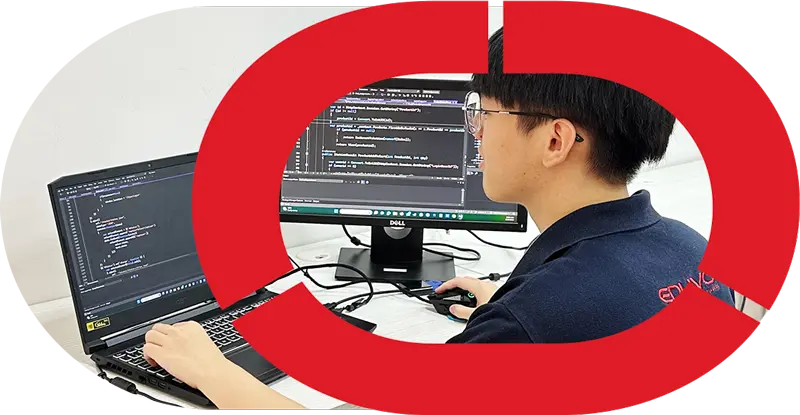


Skills-Based Course After SPM Malaysia: Practical Pathways Explained
A skills-based course after SPM Malaysia is a practical post-secondary pathway that focuses on hands-on learning, industry-relevant skills, and real workplace preparation instead of theory-only study.
Quick answer
A skills-based course after SPM Malaysia is a practical post-secondary pathway that focuses on hands-on learning, industry-relevant skills, and real workplace preparation instead of theory-only study. For students who want a skills-based IT course Malaysia option, Eduvo Academy offers TVET pathways with no SPM requirement for suitable applicants aged 16 and above, including a one-year programme in Professional Diploma in IT Support and Professional Diploma in Software Engineering.
Key Takeaways
- Skills-based courses after SPM are designed for practical learners who want job-relevant training.
- Eduvo Academy offers TVET IT course Malaysia pathways with hands-on training, real lab equipment, Action Learning, and German Ausbildung-inspired training.
- Students can explore Professional Diploma in IT Support or Professional Diploma in Software Engineering through a market-aligned curriculum and internship pathway.
- This route can suit students after SPM, age 16 and above, and career changers looking for a structured, practical IT foundation.

A skills-based course after SPM Malaysia can be a strong option for students who learn best by doing and want a clearer connection between training and workplace expectations. This guide explains how these pathways work, who they suit, and what to consider before choosing one. It also shows how Eduvo Academy supports students through practical TVET pathways in IT Support and Software Engineering, with hands-on training, real lab equipment, Action Learning, and a market-aligned curriculum.
What is a skills-based course after SPM Malaysia?
A skills-based course after SPM Malaysia is a practical training pathway that teaches students how to do real work, not just how to pass exams. It focuses on workplace tasks, technical ability, and job readiness, so learners build usable skills from the start.
Practical learning instead of exam-only learning
Unlike a purely academic route, this type of programme is built around applied learning. Students spend more time practising than memorising, and lessons are usually designed to match industry needs. For example, in a Professional Diploma in IT Support, a student may learn how to set up devices, troubleshoot common system issues, and support users in a lab environment. In a Professional Diploma in Software Engineering, the focus may shift to writing code, testing applications, and solving basic development tasks.
This is why many families see it as a strong option for a skills-based course after SPM Malaysia: it gives students a clearer idea of what they can actually do after completing the programme. It is also a useful fit for learners who want a structured route into IT without waiting several years before gaining practical experience.
For readers who want the wider context of this pathway, TVET IT course Malaysia: Complete 2026 Guide explains how technical and vocational education fits into Malaysia’s training landscape.
What students usually do in class
In a TVET setting, class time is often divided between explanation, demonstration, and practice. Students may work in small groups, complete guided tasks, and repeat exercises until they can perform them independently. The provider may also use Action Learning, where students learn by doing, reflecting, and improving through real tasks.
At Eduvo Academy, that approach is supported through real lab equipment, a market-aligned curriculum, and a one-year programme structure designed for learners aged 16 and above, including those with no SPM requirement. The training is also German Ausbildung-inspired training, which means it combines classroom learning with practical exposure and an internship pathway.

In simple terms, this kind of course helps students move from “learning about IT” to “doing IT.” That makes it especially relevant for those who want a practical start, a more focused learning environment, and a pathway that connects training with workplace expectations.
Who should choose a skills-based course after SPM?
A practical course like this is a strong fit for students who learn best by doing, as well as those who want a clearer route into work-focused training after school. It is also worth considering for learners who need a more supportive, structured path than a purely exam-driven route.
Hands-on learners
These students usually understand concepts faster when they can try them immediately. They may enjoy fixing devices, building simple systems, or following step-by-step tasks in a lab more than reading long theory notes.
- Learners who remember better through practice than memorisation
- Students who enjoy using tools, software, or equipment
- Those who want more guided repetition before working independently
- Students who prefer seeing results from each lesson
For this group, a Professional Diploma in IT Support can be a good starting point because it connects learning with practical troubleshooting and workplace-style tasks.
Students who prefer practical subjects
Some students do fine in school but find theory-heavy subjects tiring or unmotivating. Others may have passed SPM with mixed results and now want a more focused route that builds confidence through applied learning. A market-aligned curriculum can help here because it keeps lessons close to what employers and workplaces actually expect.
If you are comparing routes, it may help to read TVET IT course Malaysia: Complete 2026 Guide first, since it explains how this broader pathway works in Malaysia.
- Students who feel more confident in practical classes than exam papers
- Learners who want to build employable skills in a shorter, more structured format
- Those who prefer clear outcomes from each module
- Students looking for a Professional Diploma in Software Engineering with applied project work
Career changers and students who need a different route
This option is not only for fresh school leavers. It can also suit young adults who want to restart their education, especially if they are looking for a no SPM requirement pathway, are age 16 and above, or want a one-year programme that leads into an internship pathway. In Malaysia, TVET participation has been growing, with 1.4 million TVET enrolments recorded in 2023 (Ministry of Higher Education, 2024), showing that more learners are choosing job-focused training routes.
- Students who want to enter IT without waiting for a traditional academic route
- Career changers who need a practical foundation before moving into work
- Learners who value real lab equipment and Action Learning
- Families looking for a supportive, step-by-step environment
For these learners, Eduvo Academy offers a skills-based IT course Malaysia option that combines German Ausbildung-inspired training with practical exposure. If this sounds like the right fit, contact Eduvo to explore the next intake and the best pathway for your goals.
Skills-based course vs university, diploma, TVET, short course, and self-learning
A practical post-SPM route is different because it prioritises doing the work, not only studying the theory. For many learners, it sits between academic study and informal learning: structured enough to build employable skills, but focused enough to move faster into real tasks and career preparation.
| Column | Column |
|---|---|
| Pathway | How it differs |
| University | Usually broader and more theory-heavy, with longer study cycles and stronger emphasis on academic depth, research, and formal assessments. It can be a good fit for students who want a wider subject foundation and are prepared for a longer commitment. |
| Diploma | A diploma is often more applied than a university route, but the experience can vary widely by provider. Some diplomas lean academic, while others are built around practical modules and industry exposure. |
| TVET | TVET is designed around occupational skills, workplace readiness, and applied learning. It is often a strong fit for students who want a clearer line between training and job tasks. |
| Short course | Short courses are useful for one specific skill, such as basic software use or a particular tool. They are usually faster, but they may not provide enough depth for someone starting from zero. |
| Self-learning | Self-learning offers flexibility and low cost, but progress depends heavily on personal discipline, access to resources, and the learner’s ability to structure their own path. |
| Skills-based route | This pathway combines guided learning, practical assignments, and career-focused outcomes. At Eduvo Academy, examples include the Professional Diploma in IT Support and Professional Diploma in Software Engineering, both designed as a one-year programme with market-aligned curriculum and internship pathway support. |
In practical terms, the main difference is structure. University may suit students who want a broad academic journey, while a more applied route is better for learners who want to build usable skills through real tasks, lab work, and guided progress.
It also matters for entry requirements. Some learners prefer a no SPM requirement option, especially if they are age 16 and above and want to start building a future without waiting. Others may choose a short course first to test interest, then move into a longer programme once they are more confident.
For families, the key question is not “Which path is best overall?” but “Which path fits the student’s learning style, goals, and readiness right now?” A supportive training centre can help learners choose a route that balances practical exposure, time commitment, and next-step planning.
If you want a clearer, job-aligned alternative to a purely academic route, contact Eduvo to explore the right programme and JOIN US NOW.
Why IT Support and Software Engineering are practical options
These two routes are practical because they turn learning into usable workplace skills. Instead of focusing only on exams, they help students learn how to solve real IT problems, support users, and build digital solutions that employers need.
IT Support pathway
The Professional Diploma in IT Support is a strong option for learners who want a clear entry point into the tech field. It is especially useful for students who enjoy troubleshooting, setting up devices, helping people with technical issues, and learning how systems work in everyday business environments.
In this pathway, learners can expect to work with real lab equipment, practice common support tasks, and build confidence through Action Learning. That means they do not just read about computers; they learn by doing. For many students, this is a practical way to move from classroom understanding to workplace readiness in a one-year programme.
If you want a clearer picture of where this route can lead, How to Become an IT Technician in Malaysia: 2026 Guide is a helpful next read.
Software Engineering pathway
The Professional Diploma in Software Engineering is a good fit for learners who like logic, problem-solving, and creating useful digital tools. It introduces the building blocks of software development in a structured, market-aligned curriculum, so students can gradually understand how applications are planned, developed, tested, and improved.
This pathway is practical because it connects coding with real project work. Learners can develop a portfolio mindset, which is valuable when they later apply for internships or entry-level roles. With internship pathway support built into the programme, students get exposure to professional expectations early, while still learning in a guided environment.
Why these fields suit practical learners
These fields suit students who learn best by seeing, trying, and improving. They also appeal to those who prefer a no SPM requirement route, are age 16 and above, or want to begin with a skills-based IT course Malaysia option without waiting for a more traditional academic track.
For parents, these pathways offer a balanced approach: practical learning, clear progression, and a focused start in a growing sector. For students, they offer a chance to build confidence step by step with support from Eduvo Academy and a training model shaped by German Ausbildung-inspired training principles.
If your child wants a hands-on start in tech, this is a sensible way to begin.
How does Eduvo Academy’s one-year programme work?
This one-year pathway is built to take a beginner from entry-level interest to job-ready practical capability in a structured, supportive way. It combines classroom guidance, lab practice, and internship preparation so learners can progress steadily without being overwhelmed.
No SPM requirement and age 16 and above
The entry route is designed to be open and accessible, especially for school leavers who want a practical start without waiting for a longer academic route. It is suitable for learners who are age 16 and above, including those exploring a first post-school option or a change in direction.
- Start with admission and orientation. Learners are introduced to the programme structure, expectations, and study rhythm, so they know what the year will look like from the beginning.
- Build core technical foundations. The provider introduces essential concepts through guided lessons and practice tasks that support confidence from the start.
- Move into applied learning and career preparation. Students then focus on project work, portfolio-building, and readiness for internship placement.
If you want a more specific pathway, see Software Engineering Course Malaysia 2026 Guide.
Action Learning, real lab equipment, and internship pathway
The training model uses Action Learning to keep lessons practical and active. Instead of only listening to theory, learners apply what they study through exercises, troubleshooting, and task-based activities. This is especially useful for a skills-based IT course Malaysia option because students can connect each lesson to a real outcome.
Training also takes place with real lab equipment, which helps learners become familiar with the tools and environment they are likely to encounter in workplace settings. That kind of exposure matters because it reduces the gap between classroom learning and actual technical tasks.
The internship pathway is part of the journey, not an afterthought. Students are guided to prepare professionally, understand workplace expectations, and present themselves more confidently when they move into industry exposure.
German Ausbildung-inspired training and market-aligned curriculum
The programme follows German Ausbildung-inspired training principles, which means it balances structured learning with practical application. In simple terms, learners do not just study a subject; they practise it in a way that builds usable competence over time.
This is supported by a market-aligned curriculum, so the content stays relevant to current workplace needs. The one-year programme includes options such as the Professional Diploma in IT Support and Professional Diploma in Software Engineering, giving learners a focused route into technical fields without unnecessary detours.
For families comparing pathways, this model offers clarity: a defined timeline, practical training, and a clear purpose. Eduvo Academy presents this as a supportive way to begin building confidence, discipline, and career direction.
If you are looking for a practical start in tech, contact Eduvo Academy and explore the one-year programme built for real-world learning. JOIN US NOW
Frequently Asked Questions
Who should consider a skills-based course after SPM Malaysia?
How is a skills-based course different from university study?
What is the difference between TVET, diploma, short course, and self-learning?
Can I join Eduvo Academy without SPM?
Is a skills-based course after SPM Malaysia useful for getting a job?
References
- Malaysian Qualifications Agency (MQA) — Malaysian Qualifications Agency (MQA)
- Malaysian Qualifications Agency (MQA) — Malaysian Qualifications Agency (MQA)
- Ministry of Education Malaysia (Kementerian Pendidikan Malaysia) — Ministry of Education Malaysia (Kementerian Pendidikan Malaysia)
- Department of Skills Development (Jabatan Pembangunan Kemahiran) — Department of Skills Development (Jabatan Pembangunan Kemahiran)
- Malaysian Qualifications Agency (MQA), Code of Practice for TVET Programme Accreditation (COPTPA) — Malaysian Qualifications Agency (MQA), Code of Practice for TVET Programme Accreditation (COPTPA)


