


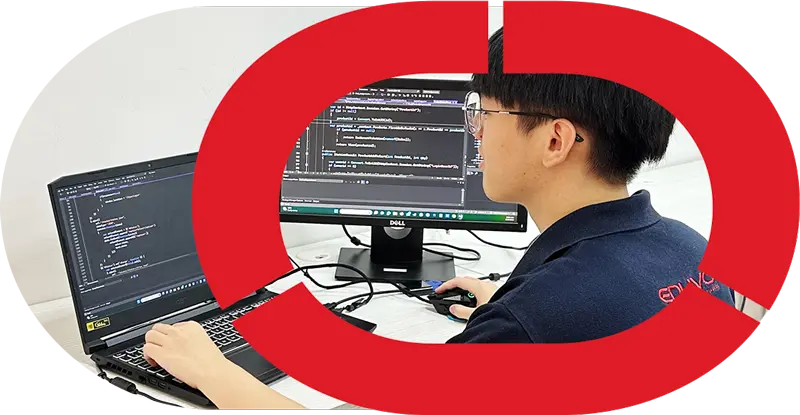


Technical Course Without SPM Malaysia: Practical Options for Students
A technical course without SPM Malaysia is a practical TVET route for students aged 16 and above who want to build job-ready skills without waiting for a full academic pathway. At Eduvo Academy, optio
Quick answer
A technical course without SPM Malaysia is a practical TVET route for students aged 16 and above who want to build job-ready skills without waiting for a full academic pathway. At Eduvo Academy, options such as IT Support and Software Engineering focus on hands-on training, real lab equipment, Action Learning, and an internship pathway, with no SPM requirement for suitable applicants.
Key Takeaways
- A technical course without SPM Malaysia can suit students aged 16 and above who want practical skills first.
- Check entry requirements carefully, including age, learning readiness, and whether the programme offers hands-on training.
- IT Support and Software Engineering are two TVET pathways that can help students start with real lab equipment and structured practice.
- Eduvo Academy offers a one-year programme with a Professional Diploma in IT Support and a Professional Diploma in Software Engineering.

Many Malaysian families want a clear answer about whether a technical course without SPM Malaysia is a realistic option, especially when a student is more suited to practical learning than exam-focused study. This guide explains what a no SPM requirement usually means, what parents and students should check before enrolling, and how TVET pathways can support steady skill development. It also looks at how IT Support and Software Engineering can be approached through hands-on training, real lab equipment, Action Learning, and an internship pathway for students aged 16 and above at Eduvo Academy.
What is a technical course without SPM in Malaysia?
A technical course without SPM Malaysia is a skills-based programme that allows selected students to enter training without the usual SPM certificate, provided they meet the provider’s other entry conditions. In simple terms, it is an alternative route for students who want to learn practical job skills first and build a career pathway through structured training.
Simple definition of technical courses
Technical courses are designed to teach practical knowledge for real workplace tasks, not just theory. For example, a student in Professional Diploma in IT Support may learn how to troubleshoot devices, manage basic systems, and support users, while a Software Engineering pathway may focus on coding basics, application development, and project work.
This is why a technical course Malaysia no SPM can be useful for students who are ready to learn by doing. It is also important to note that a no SPM requirement usually does not mean “open to everyone”; it often depends on age, interview performance, basic literacy, and whether the student can keep up with the pace of training. For more context on the wider pathway, readers can also refer to TVET IT course Malaysia: Complete 2026 Guide.
At Eduvo Academy, the route is designed for learners aged 16 and above who want a more practical start through TVET. The provider’s one-year programme includes Professional Diploma in Software Engineering, giving students a shorter, focused learning route compared with longer academic programmes.
Why TVET matters for practical learning
TVET matters because it connects classroom learning with workplace skills. Instead of studying only from textbooks, students practise in real lab equipment environments, complete guided exercises, and build confidence step by step. This is especially helpful for learners who may struggle with exam-heavy study but still want a structured, respected learning experience.
For parents, the key point is balance: a no SPM entry route can open doors, but it should still be checked carefully for course content, facilities, and progression options. In a well-planned pathway, students can move from basic skills to stronger technical competence through Action Learning, supervised practice, and an internship pathway that supports exposure to real work settings.
In Malaysia, this kind of training can be a sensible option for students who want to start early, learn in a hands-on environment, and develop practical confidence before entering the workforce. At Eduvo Academy, this approach is part of a supportive learning culture that focuses on steady growth, discipline, and career readiness.
Can students without SPM join technical courses in Malaysia?
Yes, some students without SPM can join selected technical courses in Malaysia, but it depends on the institution and the programme. A no SPM requirement route is possible in certain training pathways, yet families should always verify the entry rules before applying.
No SPM requirement is not universal
Not every technical course accepts students without SPM. Some programmes may ask for minimum age, basic literacy, or an interview, while others may require specific school results or a portfolio. That is why parents and students should compare the course outline, recognition, facilities, and career pathway instead of assuming one rule applies everywhere.
A technical course is usually designed to teach practical skills for work, such as using software, following workplace procedures, solving routine technical problems, and completing guided projects. For learners who are more hands-on than exam-focused, this can be a better fit than a purely academic route. It may also suit students who want to start building employable skills earlier, especially if they are looking for a structured alternative after school.
If you are comparing options, it helps to understand the wider TVET pathway first. You can read more in TVET IT course Malaysia: Complete 2026 Guide before deciding which programme matches your goals.

Eduvo Academy's route for students aged 16 and above
At Eduvo Academy, students aged 16 and above may explore selected entry routes into TVET, including the Professional Diploma in IT Support and the Professional Diploma in Software Engineering. These one-year programme options are designed for learners who want a practical start and a clearer step-by-step progression into technical training.
The provider’s pathway includes Action Learning, hands-on training, real lab equipment, and an internship pathway so students can connect theory with supervised practice. For families, this means the learning experience is not based on memorising alone; it is built around doing, checking, improving, and gradually becoming more confident in a real training environment.
A simple decision process can help:
- Check the entry requirements carefully, including whether the programme accepts students without SPM and whether there are any subject, age, or interview conditions.
- Confirm the age eligibility and make sure the student meets the minimum requirement of 16 and above.
- Review recognition, facilities, and pathway fit, including whether the course leads to practical progression that suits the student’s interests and learning style.
For students who want a practical, supportive start in IT-focused TVET, this pathway can be worth exploring further. Contact Eduvo Academy to ask about current intake details and whether the programme is suitable for the student’s background and goals.
Which technical course options are practical for hands-on learners?
Yes — for students who prefer learning by doing, selected technical courses can be a practical route even without SPM. The key is choosing a programme that matches the student’s strengths, interests, and long-term pathway.
IT Support pathway
IT Support is often a strong fit for learners who enjoy solving everyday tech problems, setting up devices, and helping people keep systems running. It usually covers basic computer hardware, operating systems, troubleshooting, networking fundamentals, and customer support skills. For students who are not confident in exam-heavy subjects, this pathway can feel more manageable because progress is shown through practical tasks, lab work, and problem-solving.
At Eduvo Academy, the Professional Diploma in IT Support is designed as a one-year programme for students aged 16 and above who want a structured start in TVET. The learning style uses Action Learning, real lab equipment, and supervised practice, so students can build confidence step by step. For readers who want a deeper look at this pathway, see IT Support Career Malaysia: Salary & Pathway.
Software Engineering pathway
Software Engineering suits students who like logic, structure, and creating things on a screen. Instead of only studying theory, learners typically work with programming basics, web or app development, debugging, and simple project building. This type of programme is useful for students who enjoy solving problems in a step-by-step way and want to see a clear output from their effort, such as a website, app feature, or coding project.
The Professional Diploma in Software Engineering can be a good option for students who want a more technical and future-oriented route into digital skills. For families, the main advantage is that the student is not simply memorising concepts; they are building practical work samples that can support further study or entry-level technical roles.
| Column | Column | |
|---|---|---|
| IT Support | Software Engineering | |
| Skills learned | Hardware setup, troubleshooting, networking basics, user support | Coding, logic, software development, debugging |
| Type of work | Fixing devices, supporting users, maintaining systems | Building digital products, writing code, testing features |
| Portfolio outcome | Repair logs, support cases, lab tasks | Small apps, websites, coding projects |
| Learner fit | Students who like practical problem-solving and direct support work | Students who enjoy logic, creativity, and structured thinking |
Eduvo's four 1-year programmes
For students exploring a technical course Malaysia no SPM route, the provider also offers four 1-year programmes that are built around practical progression rather than long academic theory. These options are useful for learners who want a clearer start, especially when they need a no SPM requirement pathway that still feels structured and career-focused. The four programmes are designed to help students build job-relevant skills, adapt to a training routine, and move into further learning with more confidence.
What should parents and students check before enrolling?
The best approach is to compare each option carefully rather than assuming every programme fits the same student. Families should confirm the entry rules, learning setup, and career pathway before committing, especially for a technical course Malaysia no SPM route.
Recognition and entry requirements
First, check whether the programme clearly states its no SPM requirement policy and whether it is suitable for students aged 16 and above. Ask what documents are needed, whether an interview or placement test is required, and whether the course is intended for school leavers, mature learners, or career changers. A good provider should explain entry conditions in plain language, not leave parents guessing.
Practical checklist:
- Confirm the minimum age and entry pathway.
- Ask if the course is open to students without SPM or if other qualifications are accepted.
- Review the syllabus to see whether it matches the student’s goals.
- Check whether the programme leads to further study, entry-level work, or both.
- Ask how progress is assessed during the course.
If the student wants a clearer career direction after training, this guide may help: How to Become an IT Technician in Malaysia: 2026 Guide
Facilities, lab equipment, and educators
For TVET, the learning environment matters as much as the syllabus. Parents should visit or request photos of the classrooms, computer labs, and training spaces. Ask whether students train with real lab equipment and whether the provider offers hands-on training that mirrors workplace tasks such as troubleshooting, software setup, or system testing.
At Eduvo Academy, the training model is built around practical learning, including Action Learning and a one-year programme structure. That matters because students learn faster when they can practise repeatedly, not just read theory. Families should also ask who teaches the classes, what industry experience the educators have, and how much one-to-one guidance students receive.
Internship pathway and career support
A strong programme should not stop at classroom learning. Ask whether there is an internship pathway, job placement guidance, portfolio development, or interview preparation. For example, a Professional Diploma in IT Support may be more useful if students can also build a work portfolio, while a Professional Diploma in Software Engineering should include coding projects that show real progress.
For parents, the key question is simple: does this pathway help the student move forward with confidence after graduation? A supportive provider should explain the next steps clearly, including what skills are taught, how long the programme takes, and what kind of entry-level roles it is designed to prepare for.
If you want a practical, student-friendly route into TVET learning, contact Eduvo Academy and JOIN US NOW.
Frequently Asked Questions
Can I study a technical course in Malaysia if I do not have SPM?
What is a technical course, in simple terms?
Who is this type of course best for?
What should parents check before enrolling a child?
Does Eduvo Academy offer options for students without SPM?
Why do these programmes matter for early career preparation?
References
- Department of Skills Development (Jabatan Pembangunan Kemahiran), Malaysian Skills Certificate (SKM) — Department of Skills Development (Jabatan Pembangunan Kemahiran), Malaysian Skills Certificate (SKM)
- Malaysia Government Portal, Vocational Colleges (Kolej Vokasional) — Malaysia Government Portal, Vocational Colleges (Kolej Vokasional)
- CIAST, Admission Guideline into Part Time Vocational Training Operation (VTO) Programme — CIAST, Admission Guideline into Part Time Vocational Training Operation (VTO) Programme
- Malaysian Qualifications Agency (MQA), Code of Practice for TVET Programme Accreditation — Malaysian Qualifications Agency (MQA), Code of Practice for TVET Programme Accreditation


